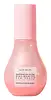
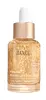
Glow Recipe Watermelon Glow Niacinamide Dew Drops Versus Biossance Squalane + Firm And Lift Dual Serum
This brightening serum is formulated around Niacinamide and Citrullus Lanatus Fruit Extract to brighten dull-looking skin.

What's inside
What's inside
 Key Ingredients
Benefits
Concerns
Ingredients Side-by-side
Water
Skin ConditioningPropanediol
Solvent

Glycereth-26
Humectant
Glycerin
Humectant
Niacinamide
Smoothing









2,3-Butanediol
Humectant1,2-Hexanediol
Skin Conditioning
Cetyl Ethylhexanoate
EmollientCitrullus Lanatus Fruit Extract
Skin Conditioning
Sodium Hyaluronate
Humectant
Eclipta Prostrata Extract
Skin Conditioning
Melia Azadirachta Leaf Extract
Skin ConditioningPolyglyceryl-3 Methylglucose Distearate
Emulsifying

Tromethamine
BufferingGlyceryl Stearate
Emollient
Carbomer
Emulsion StabilisingAcrylates/C10-30 Alkyl Acrylate Crosspolymer
Emulsion StabilisingEthylhexylglycerin
Skin ConditioningXanthan Gum
EmulsifyingPolyquaternium-51
Skin Conditioning
Moringa Oleifera Seed Oil
Emollient


Parfum
Masking


Benzyl Benzoate
Antimicrobial
Water, Propanediol, Glycereth-26, Glycerin, Niacinamide, 2,3-Butanediol, 1,2-Hexanediol, Cetyl Ethylhexanoate, Citrullus Lanatus Fruit Extract, Sodium Hyaluronate, Eclipta Prostrata Extract, Melia Azadirachta Leaf Extract, Polyglyceryl-3 Methylglucose Distearate, Tromethamine, Glyceryl Stearate, Carbomer, Acrylates/C10-30 Alkyl Acrylate Crosspolymer, Ethylhexylglycerin, Xanthan Gum, Polyquaternium-51, Moringa Oleifera Seed Oil, Parfum, Benzyl Benzoate
Water
Skin ConditioningSqualane
Emollient
Glycerin
Humectant
Sodium Benzoate
Masking
Sodium Hyaluronate
Humectant
Ectoin
Skin Conditioning
Potassium Sorbate
Preservative
Phenoxyethanol
Preservative
Bisabolol
Antioxidant
Propanediol
Solvent
Citric Acid
Buffering
Sodium Gluconate
Skin ConditioningLeucojum Aestivum Bulb Extract
Skin ProtectingAcmella Oleracea Extract
Skin ProtectingHippophae Rhamnoides Fruit Oil
Skin Protecting
Melia Azadirachta Extract
Skin ConditioningMoringa Oleifera Seed Oil
Emollient
Water, Squalane, Glycerin, Sodium Benzoate, Sodium Hyaluronate, Ectoin, Potassium Sorbate, Phenoxyethanol, Bisabolol, Propanediol, Citric Acid, Sodium Gluconate, Leucojum Aestivum Bulb Extract, Acmella Oleracea Extract, Hippophae Rhamnoides Fruit Oil, Melia Azadirachta Extract, Moringa Oleifera Seed Oil
Reviews
Ingredients Explained
These ingredients are found in both products.
Ingredients higher up in an ingredient list are typically present in a larger amount.
Glycerin (or glycerol) is a compound naturally found in your skin. It's a powerhouse humectant that pulls water into the stratum corneum.
Topically, glycerin does several things at once:
Your skin makes glycerin on its own (mostly from sebaceous oil breakdown) and shuttles it to your outermost layer of skin, or your epidermis, via aquaporin-3.
Aquaporin-3 is a transporter that is essential for normal skin hydration, elasticity, and repair. Interestingly, mice lacking in AQP3 have dry and less elastic skin that can be fully corrected with glycerin.
This ingredient is non-irritating, plays well with almost every ingredient, and works across all skin types. Typical use is anywhere between 3-10% but can go up to 79% in some leave-on products.
Just know very high concentrations (>40%) can feel tacky in low humidity.
Glycerin is the name for this ingredient in American English. British English uses Glycerol/Glycerine.
Learn more about GlycerinMoringa Oleifera Seed Oil is a lightweight oil from the seeds of the Moringa oleifera tree. In cosmetics, it's an emollient that forms a light film to slow water loss and soften skin.
Its fatty acid composition is dominated by oleic acid (70-78%), with smaller amounts of behenic, palmitic, and stearic acids (this profile is actually pretty similar to olive oil).
Notably, this ingredient is oxidatively stable for an oil and resists going rancid as fast as other oils.
A small, in vivo study on 32 participants found a cream with this ingredient increased skin hydration with no reported skin irritation. It also found the tocopherol content gave it some antioxidant activity as well.
One thing to flag for fungal acne:
Because this oil is so high in oleic acid, Malassezia can use it as a food source and this ingredient may not be fungal acne safe.
For everyone else, this ingredient is well-tolerated and nourishing with a good safety track record.
Learn more about Moringa Oleifera Seed OilPropanediol is an all-star ingredient. It softens, hydrates, and smooths the skin.
It’s often used to:
Propanediol is not likely to cause sensitivity and considered safe to use. It is derived from corn or petroleum with a clear color and no scent.
Learn more about PropanediolSodium Hyaluronate is the salt form of hyaluronic acid. It is a long sugar chain that is naturally found in your skin, joints, and connective tissue that maintains hydration and elasticity.
In skincare, it works as a humectant. It pulls water from the environment and deeper layers of skin and binds it to the surface.
Interestingly, the size of the molecule affects its behavior:
Some clinical evidence links low molecular weight versions to improved wrinkle depth, elasticity, anti-inflammatory effects, and barrier repair.
Many serums use a blend of both weights so you can get surface hydration plus longer-lasting and deeper effects.
You'll typically see concentrations between 0.1-2% for this ingredient.
Learn more about Sodium HyaluronateWater. It's the most common cosmetic ingredient of all. You'll usually see it at the top of ingredient lists, meaning that it makes up the largest part of the product.
So why is it so popular? Water most often acts as a solvent - this means that it helps dissolve other ingredients into the formulation.
You'll also recognize water as that liquid we all need to stay alive. If you see this, drink a glass of water. Remember to stay hydrated!
Learn more about Water

