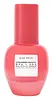
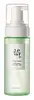
Glow Recipe Strawberry Smooth BHA + AHA Salicylic Acid Serum Versus Beauty of Joseon Bubble Toner: Green Plum + AHA
This smoothing serum is formulated around Salicylic Acid and Mandelic Acid to refine skin texture and clear breakouts.
This smoothing toner is formulated around Glycolic Acid to refine skin texture and brighten dull-looking skin.


What's inside
What's inside
 Key Ingredients
Benefits
Concerns
Ingredients Side-by-side
Water
Skin ConditioningMethylpropanediol
SolventC9-12 Alkane
SolventFragaria Vesca Fruit Extract
AstringentHydroxypropyl Starch Phosphate
Salicylic Acid
Masking










Pentylene Glycol
Skin Conditioning
Mandelic Acid
Antimicrobial



Succinic Acid
BufferingFragaria Vesca Leaf Extract
AstringentAzelaic Acid
Buffering


Allantoin
Skin Conditioning
Sodium Hyaluronate
Humectant
Bisabolol
Antioxidant
Opuntia Ficus-Indica Flower Extract
Skin ConditioningNiacinamide
Smoothing
Glucosamine
Zingiber Officinale Root Extract
Masking
Saccharomyces Ferment
Skin Conditioning
Dextrin
AbsorbentPolydextrose
Humectant1,2-Hexanediol
Skin Conditioning
Caprylyl Glycol
Emollient
Coco-Caprylate/Caprate
Emollient
Hydroxyacetophenone
Antioxidant
Amylopectin
Butylene Glycol
Humectant
Succinoglycan
Skin ConditioningLeuconostoc/Radish Root Ferment Filtrate
Antimicrobial
Lauroyl Lysine
Skin Conditioning
Sodium Phytate
ChelatingLecithin
Emollient
Aminomethyl Propanol
BufferingXanthan Gum
EmulsifyingCitric Acid
Buffering
Parfum
Masking

Water, Methylpropanediol, C9-12 Alkane, Fragaria Vesca Fruit Extract, Hydroxypropyl Starch Phosphate, Salicylic Acid, Pentylene Glycol, Mandelic Acid, Succinic Acid, Fragaria Vesca Leaf Extract, Azelaic Acid, Allantoin, Sodium Hyaluronate, Bisabolol, Opuntia Ficus-Indica Flower Extract, Niacinamide, Glucosamine, Zingiber Officinale Root Extract, Saccharomyces Ferment, Dextrin, Polydextrose, 1,2-Hexanediol, Caprylyl Glycol, Coco-Caprylate/Caprate, Hydroxyacetophenone, Amylopectin, Butylene Glycol, Succinoglycan, Leuconostoc/Radish Root Ferment Filtrate, Lauroyl Lysine, Sodium Phytate, Lecithin, Aminomethyl Propanol, Xanthan Gum, Citric Acid, Parfum
Water
Skin ConditioningPrunus Mume Fruit Water
HumectantGlycolic Acid
Buffering
Dipropylene Glycol
Humectant1,2-Hexanediol
Skin Conditioning
Pentylene Glycol
Skin Conditioning
Chlorella Vulgaris Extract
Skin ConditioningPortulaca Oleracea Extract
Skin Conditioning
Chondrus Crispus Extract
Skin Conditioning
Saccharum Officinarum Extract
MoisturisingOryza Sativa Bran Water
Masking
Honey Extract
Humectant
Panax Ginseng Root Extract
Emollient
Polygonum Cuspidatum Root Extract
Antioxidant
Glycerin
Humectant
Propanediol
Solvent
Tromethamine
BufferingSodium PCA
Humectant
Glucose
Humectant
C12-14 Pareth-12
EmulsifyingButylene Glycol
Humectant
Fructooligosaccharides
Humectant
Fructose
Humectant
Caprylyl Glycol
Emollient
Ethylhexylglycerin
Skin ConditioningSodium Phytate
ChelatingTocopherol
Antioxidant
Ethyl Hexanediol
SolventWater, Prunus Mume Fruit Water, Glycolic Acid, Dipropylene Glycol, 1,2-Hexanediol, Pentylene Glycol, Chlorella Vulgaris Extract, Portulaca Oleracea Extract, Chondrus Crispus Extract, Saccharum Officinarum Extract, Oryza Sativa Bran Water, Honey Extract, Panax Ginseng Root Extract, Polygonum Cuspidatum Root Extract, Glycerin, Propanediol, Tromethamine, Sodium PCA, Glucose, C12-14 Pareth-12, Butylene Glycol, Fructooligosaccharides, Fructose, Caprylyl Glycol, Ethylhexylglycerin, Sodium Phytate, Tocopherol, Ethyl Hexanediol
Reviews
Ingredients Explained
These ingredients are found in both products.
Ingredients higher up in an ingredient list are typically present in a larger amount.
1,2-Hexanediol is a synthetic liquid and another multi-functional powerhouse.
It is a:
- Humectant, drawing moisture into the skin
- Emollient, helping to soften skin
- Solvent, dispersing and stabilizing formulas
- Preservative booster, enhancing the antimicrobial activity of other preservatives
Butylene Glycol (or BG) is used within cosmetic products for a few different reasons:
Overall, Butylene Glycol is a safe and well-rounded ingredient that works well with other ingredients.
Though this ingredient works well with most skin types, some people with sensitive skin may experience a reaction such as allergic rashes, closed comedones, or itchiness.
Learn more about Butylene GlycolCaprylyl Glycol is a humectant, skin conditioner, emollient, and preservative booster derived from either caprylic acid or synthetically created.
Typical use levels vary from 0.3-1% as a preservative booster and go up to 2% to condition skin.
Because it is not a free-fatty acid, this ingredient is fungal acne safe (there's nothing for Malassezia to feed on).
Learn more about Caprylyl GlycolPentylene Glycol (1,2-pentanediol) is a multitasking little diol with three main roles in a formula:
Research on alkanediols (the family pentylene glycol belongs to) show they work by disrupting microbial cell membranes. This disruption helps the primary preservative system in a product work more effectively at lower doses.
On the safety side, the Cosmetic Ingredient Review Expert Panel has concluded this ingredient to be safe as used in current cosmetic practices + concentrations.
Typical use levels in a formula run about 1-5%.
Learn more about Pentylene GlycolSodium Phytate is the sodium salt of Phytic acid, a compound that plants store phosphorus in. It's the plant-derived alternative to ingredients like Disodium EDTA.
In skincare, this ingredient is a chelator that grabs onto trace metal ions like iron and copper that sneak into formulas through water/raw materials.
Those metals speed up oxidation so binding them keeps oils, fragrance, and actives from going off, stops color changes, and helps the preservative system work harder.
Survey data shows usage levels range from 0.0099%-0.5% in leave-on products, 0.025%-0.3% in rinse-off, and up to 0.05% in eye-area products. Suppliers typically recommend a range between 0.05-0.5%.
Learn more about Sodium PhytateWater. It's the most common cosmetic ingredient of all. You'll usually see it at the top of ingredient lists, meaning that it makes up the largest part of the product.
So why is it so popular? Water most often acts as a solvent - this means that it helps dissolve other ingredients into the formulation.
You'll also recognize water as that liquid we all need to stay alive. If you see this, drink a glass of water. Remember to stay hydrated!
Learn more about Water

