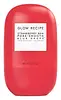
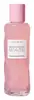
Glow Recipe Strawberry BHA Pore-Smooth Blur Drops Versus Glow Recipe Watermelon Glow PHA + BHA Pore-Tight Toner
This oil-control treatment is formulated around Salicylic Acid and Salix Alba Bark Extract to balance excess oil and refine the look of pores.
This pore-care toner is formulated around Citrullus Lanatus Fruit Extract and Gluconolactone to refine the look of pores and brighten dull-looking skin.

What's inside
What's inside
 Key Ingredients
Benefits
Concerns
Ingredients Side-by-side
Water
Skin ConditioningTapioca Starch
Isopentyldiol
Humectant
Nylon-12


C9-12 Alkane
SolventDistarch Phosphate
AbsorbentAmmonium Acryloyldimethyltaurate/Vp Copolymer
Saccharide Isomerate
Humectant

Fragaria Vesca Leaf Extract
AstringentSalicylic Acid
Masking









Salix Alba Bark Extract
Astringent

Fragaria Vesca Fruit Extract
AstringentLeuconostoc/Radish Root Ferment Filtrate
Antimicrobial
Sodium Hyaluronate
Humectant

Bisabolol
Antioxidant

Coco-Caprylate/Caprate
Emollient
Triheptanoin
Skin ConditioningButylene Glycol
Humectant
Pentylene Glycol
Skin Conditioning
Propanediol
Solvent
Caprylyl Glycol
Emollient
Polyglyceryl-10 Dioleate
Emulsifying
Dilinoleic Acid/Butanediol Copolymer
Polyglyceryl-10 Dipalmitate
Emollient
Ethylhexylglycerin
Skin ConditioningSodium Hydroxide
Buffering1,2-Hexanediol
Skin Conditioning
Phenoxyethanol
Preservative
Castor Oil/Ipdi Copolymer

Citric Acid
Buffering
Parfum
Masking

Water, Tapioca Starch, Isopentyldiol, Nylon-12, C9-12 Alkane, Distarch Phosphate, Ammonium Acryloyldimethyltaurate/Vp Copolymer, Saccharide Isomerate, Fragaria Vesca Leaf Extract, Salicylic Acid, Salix Alba Bark Extract, Fragaria Vesca Fruit Extract, Leuconostoc/Radish Root Ferment Filtrate, Sodium Hyaluronate, Bisabolol, Coco-Caprylate/Caprate, Triheptanoin, Butylene Glycol, Pentylene Glycol, Propanediol, Caprylyl Glycol, Polyglyceryl-10 Dioleate, Dilinoleic Acid/Butanediol Copolymer, Polyglyceryl-10 Dipalmitate, Ethylhexylglycerin, Sodium Hydroxide, 1,2-Hexanediol, Phenoxyethanol, Castor Oil/Ipdi Copolymer, Citric Acid, Parfum
Opuntia Ficus-Indica Extract
Skin Conditioning
Citrullus Lanatus Fruit Extract
Skin Conditioning
Glycerin
Humectant
Hyaluronic Acid
Humectant
Gluconolactone
Chelating
Sodium Polyglutamate
HumectantBetaine Salicylate
Antimicrobial
Salix Alba Bark Extract
Astringent
Melaleuca Alternifolia Leaf Extract
Perfuming
Hibiscus Sabdariffa Flower Extract
Skin ConditioningLactobacillus/Watermelon Fruit Ferment Extract
Skin ConditioningCucumis Sativus Fruit Extract
Emollient
Saccharum Officinarum Extract
MoisturisingGlycyrrhiza Glabra Root Extract
Bleaching
Scutellaria Baicalensis Root Extract
Astringent
Paeonia Suffruticosa Root Extract
Skin ProtectingBrassica Oleracea Capitata Leaf Extract
Skin ConditioningIpomoea Batatas Root Extract
Skin ConditioningSorbitan Oleate
Emulsifying
Levulinic Acid
Perfuming
Sodium Levulinate
Skin ConditioningParfum
Masking
Opuntia Ficus-Indica Extract, Citrullus Lanatus Fruit Extract, Glycerin, Hyaluronic Acid, Gluconolactone, Sodium Polyglutamate, Betaine Salicylate, Salix Alba Bark Extract, Melaleuca Alternifolia Leaf Extract, Hibiscus Sabdariffa Flower Extract, Lactobacillus/Watermelon Fruit Ferment Extract, Cucumis Sativus Fruit Extract, Saccharum Officinarum Extract, Glycyrrhiza Glabra Root Extract, Scutellaria Baicalensis Root Extract, Paeonia Suffruticosa Root Extract, Brassica Oleracea Capitata Leaf Extract, Ipomoea Batatas Root Extract, Sorbitan Oleate, Levulinic Acid, Sodium Levulinate, Parfum
Reviews
Ingredients Explained
These ingredients are found in both products.
Ingredients higher up in an ingredient list are typically present in a larger amount.
Parfum is a catch-all term for an ingredient or more that is used to give a scent to products.
Also called "fragrance", this ingredient can be a blend of hundreds of chemicals or plant oils. This means every product with "fragrance" or "parfum" in the ingredients list is a different mixture.
For instance, Habanolide is a proprietary trade name for a specific aroma chemical. When used as a fragrance ingredient in cosmetics, most aroma chemicals fall under the broad labeling category of “FRAGRANCE” or “PARFUM” according to EU and US regulations.
The term 'parfum' or 'fragrance' is not regulated in many countries. In many cases, it is up to the brand to define this term.
For instance, many brands choose to label themselves as "fragrance-free" because they are not using synthetic fragrances. However, their products may still contain ingredients such as essential oils that are considered a fragrance by INCI standards.
One example is Calendula flower extract. Calendula is an essential oil that still imparts a scent or 'fragrance'.
Depending on the blend, the ingredients in the mixture can cause allergies and sensitivities on the skin. Some ingredients that are known EU allergens include linalool and citronellol.
Parfum can also be used to mask or cover an unpleasant scent.
The bottom line is: not all fragrances/parfum/ingredients are created equally. If you are worried about fragrances, we recommend taking a closer look at an ingredient. And of course, we always recommend speaking with a professional.
Learn more about ParfumSalix Alba Bark Extract comes from the bark of the white willow tree. The official CosIng listing states this ingredient to have astringent, skin conditioning, soothing, and tonic properties.
Its star compound is salicin, a natural glucoside that is chemically related to salicylic acid. That's why you'll often see it marketed as a "natural BHA alternative" but that's a bit of a stretch.
Your skin can't convert salicin to salicylic acid because it needs specific enzymes that aren't present on the skin's surface. It won't behave like true salicylic acid, especially at the concentrations used in cosmetics.
However, this ingredient has its own perks. It contains flavonoids, polyphenols, and tannins that give it proven antioxidant and soothing properties.
An 8-week clinical study found a cream with 2% of this extract improved skin microcirculation, elasticity, and dark circles. This is most likely due to its role in increasing hyaluronic acid synthesis in fibroblasts and improved vascular integrity.
Another study found a topical serum with 0.5% salicin showed improvements in visible signs of aging, hyperpigmentation, and texture.
Just be careful if you have a known aspirin/salicylate allergy and be sure to consult with a medical professional about using this ingredient if you do.
Fun fact: Willow Bark extract has been used for thousands of years and ancient civilizations used white willow to help treat pain and fevers.
Learn more about Salix Alba Bark Extract

