

What's inside
What's inside
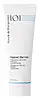 Key Ingredients
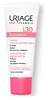
Benefits
Concerns
Ingredients Side-by-side
Water
Skin ConditioningSqualane
Emollient


Glycerin
Humectant
Dicaprylyl Carbonate
EmollientJojoba Oil/Macadamia Seed Oil Esters
Skin Conditioning
Polyglyceryl-3 Methylglucose Distearate
Emulsifying
Butylene Glycol
Humectant
Cetearyl Alcohol
Emollient



Hydroxyethyl Acrylate/Sodium Acryloyldimethyl Taurate Copolymer
Emulsion StabilisingSimmondsia Chinensis Seed Oil
Emollient
Saccharide Isomerate
Humectant
Camellia Sinensis Leaf Extract
Antimicrobial




Bisabolol
Antioxidant
Allantoin
Skin Conditioning
Ceramide Ng
Skin Conditioning
Squalene
Emollient
Phytosteryl Macadamiate
Skin Conditioning
Phytosterols
Skin Conditioning
Tocopherol
Antioxidant

Tocopheryl Acetate
Antioxidant
Citric Acid
Buffering

Sodium Citrate
BufferingEthylhexylglycerin
Skin ConditioningPhenoxyethanol
Preservative
Water, Squalane, Glycerin, Dicaprylyl Carbonate, Jojoba Oil/Macadamia Seed Oil Esters, Polyglyceryl-3 Methylglucose Distearate, Butylene Glycol, Cetearyl Alcohol, Hydroxyethyl Acrylate/Sodium Acryloyldimethyl Taurate Copolymer, Simmondsia Chinensis Seed Oil, Saccharide Isomerate, Camellia Sinensis Leaf Extract, Bisabolol, Allantoin, Ceramide Ng, Squalene, Phytosteryl Macadamiate, Phytosterols, Tocopherol, Tocopheryl Acetate, Citric Acid, Sodium Citrate, Ethylhexylglycerin, Phenoxyethanol
Water
Skin ConditioningEthylhexyl Methoxycinnamate
UV Absorber


Diethylamino Hydroxybenzoyl Hexyl Benzoate
UV Filter
Ethylhexyl Salicylate
UV Absorber
Ethylhexyl Triazone
UV Absorber
Dicaprylyl Carbonate
EmollientDimethicone
Emollient
Isononyl Isononanoate
EmollientBis-Ethylhexyloxyphenol Methoxyphenyl Triazine
Skin Conditioning
Polymethyl Methacrylate
Tapioca Starch
Steareth-2
EmulsifyingSteareth-21
CleansingHydroxyethyl Acrylate/Sodium Acryloyldimethyl Taurate Copolymer
Emulsion StabilisingButylene Glycol
Humectant
Phenoxyethanol
Preservative
Parfum
Masking


Cetyl Alcohol
Emollient
Chlorphenesin
Antimicrobial
Brassica Campestris Sterols
EmollientO-Cymen-5-Ol
Antimicrobial
Tocopheryl Acetate
Antioxidant
Xanthan Gum
EmulsifyingPolysorbate 60
Emulsifying
Raspberry Seed Oil/Palm Oil Aminopropanediol Esters
Skin Conditioning
Sorbitan Isostearate
Emulsifying
Polymethylsilsesquioxane
Sorbitol
Humectant
Citric Acid
Buffering
Asiaticoside
Antioxidant
Phytosphingosine
Skin Conditioning
BHT
Antioxidant
Panax Ginseng Root Extract
Emollient
Maltodextrin
Absorbent
CI 14700
Cosmetic ColorantTocopherol
Antioxidant
Ascophyllum Nodosum Extract
Skin ConditioningAsparagopsis Armata Extract
Skin ProtectingPotassium Sorbate
Preservative
Water, Ethylhexyl Methoxycinnamate, Diethylamino Hydroxybenzoyl Hexyl Benzoate, Ethylhexyl Salicylate, Ethylhexyl Triazone, Dicaprylyl Carbonate, Dimethicone, Isononyl Isononanoate, Bis-Ethylhexyloxyphenol Methoxyphenyl Triazine, Polymethyl Methacrylate, Tapioca Starch, Steareth-2, Steareth-21, Hydroxyethyl Acrylate/Sodium Acryloyldimethyl Taurate Copolymer, Butylene Glycol, Phenoxyethanol, Parfum, Cetyl Alcohol, Chlorphenesin, Brassica Campestris Sterols, O-Cymen-5-Ol, Tocopheryl Acetate, Xanthan Gum, Polysorbate 60, Raspberry Seed Oil/Palm Oil Aminopropanediol Esters, Sorbitan Isostearate, Polymethylsilsesquioxane, Sorbitol, Citric Acid, Asiaticoside, Phytosphingosine, BHT, Panax Ginseng Root Extract, Maltodextrin, CI 14700, Tocopherol, Ascophyllum Nodosum Extract, Asparagopsis Armata Extract, Potassium Sorbate
Reviews
Ingredients Explained
These ingredients are found in both products.
Ingredients higher up in an ingredient list are typically present in a larger amount.
Butylene Glycol (or BG) is used within cosmetic products for a few different reasons:
Overall, Butylene Glycol is a safe and well-rounded ingredient that works well with other ingredients.
Though this ingredient works well with most skin types, some people with sensitive skin may experience a reaction such as allergic rashes, closed comedones, or itchiness.
Learn more about Butylene GlycolCitric Acid is an alpha hydroxy acid (AHA) naturally found in citrus fruits like oranges, lemons, and limes.
Like other AHAs, citric acid can exfoliate skin by breaking down the bonds that hold dead skin cells together. This helps reveal smoother and brighter skin underneath.
However, this exfoliating effect only happens at high concentrations (20%) which can be hard to find in cosmetic products.
Due to this, citric acid is usually included in small amounts as a pH adjuster. This helps keep products slightly more acidic and compatible with skin's natural pH.
In skincare formulas, citric acid can:
While it can provide some skin benefits, research shows lactic acid and glycolic acid are generally more effective and less irritating exfoliants.
Most citric acid used in skincare today is made by fermenting sugars (usually from molasses). This synthetic version is identical to the natural citrus form but easier to stabilize and use in formulations.
Read more about some other popular AHA's here:
Learn more about Citric AcidDicaprylyl Carbonate comes from carbonic acid and caprylyl alcohol, a fatty alcohol. It is an emollient and gives skin a velvet feel. The sources of Dicaprylyl Carbonate may be synthetic or from animals.
As an emollient, Dicaprylyl Carbonate creates a film on the skin. This film traps moisture in, keeping your skin soft and hydrated.
This is a synthetic polymer. It helps improve the texture of products by adding thickness and gel-like feel.
It is also an emulsifer, meaning it prevents ingredients such as oil and water from separating. It also helps evenly disperse other ingredients.
Phenoxyethanol is a preservative that has germicide, antimicrobial, and aromatic properties. Studies show that phenoxyethanol can prevent microbial growth. By itself, it has a scent that is similar to that of a rose.
It's often used in formulations along with Caprylyl Glycol to preserve the shelf life of products.
Tocopherol is a fat-soluble antioxidant known as Vitamin E.
You'll find this ingredient in the vast majority of skincare (for good reason). It works to neutralize free radicals, or unstable molecules generated by UV exposure, pollution, and other environmental stressors, before they can cause oxidative damage to your skin cells.
Topically applied tocopherol has been shown to protect against UV damage by ramping up the skin's own natural defense enzymes.
It also acts as a skin conditioning agent; some studies show that regular topical use can improve the skin's water-binding capacity over 2-4 weeks.
This ingredient is especially loved for being a team player. When combined with Vitamin C, the photoprotective effect of both ingredients roughly doubles and the combo also helps reduce UV-induced DNA damage.
This ingredient has some brightening potential but it's more of a prevention ingredient than spot-fader. Cell studies show it can slow down melanin production but it's worth noting that it's not the most powerful brightener out there.
In formulations, it also serves as a stabilizer that helps protect other oxidation-prone ingredients from degrading.
Concentrations usually range from 0.1-1% in most leave-on products.
Learn more about TocopherolTocopheryl Acetate is AKA Vitamin E. It is an antioxidant and protects your skin from free radicals. Free radicals damage the skin by breaking down collagen.
One study found using Tocopheryl Acetate with Vitamin C decreased the number of sunburned cells.
Tocopheryl Acetate is commonly found in both skincare and dietary supplements.
Learn more about Tocopheryl AcetateWater. It's the most common cosmetic ingredient of all. You'll usually see it at the top of ingredient lists, meaning that it makes up the largest part of the product.
So why is it so popular? Water most often acts as a solvent - this means that it helps dissolve other ingredients into the formulation.
You'll also recognize water as that liquid we all need to stay alive. If you see this, drink a glass of water. Remember to stay hydrated!
Learn more about Water
