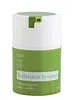
This calming moisturizer is formulated around Aloe Barbadensis Leaf Juice and Niacinamide to calm redness and hydrate skin.
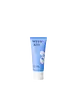
This barrier-repair moisturizer is formulated around Squalane and Sodium Hyaluronate to strengthen the skin barrier and hydrate skin.

What's inside
What's inside
 Key Ingredients
Benefits
Concerns
No concerns
Ingredients Side-by-side
Water
Skin ConditioningAloe Barbadensis Leaf Juice
Skin Conditioning


Niacinamide
Smoothing









Glycerin
Humectant
Pentylene Glycol
Skin Conditioning
Propanediol
Solvent
Panthenol
Skin Conditioning
Davidsonia Jerseyana Fruit Extract
Antioxidant
Terminalia Ferdinandiana Fruit Extract
Antioxidant
Hydrolyzed Sodium Hyaluronate
Skin Conditioning
Hydrolyzed Hyaluronic Acid
Humectant
Sodium Hyaluronate
Humectant
Allantoin
Skin Conditioning
Glycyrrhiza Glabra Root Extract
Bleaching
Cucumis Sativus Fruit Extract
Emollient
Trehalose
Humectant
Xanthan Gum
EmulsifyingCaprylhydroxamic Acid
ChelatingGlyceryl Caprylate
EmollientSodium Benzoate
Masking
Potassium Sorbate
Preservative
Citric Acid
Buffering

Water, Aloe Barbadensis Leaf Juice, Niacinamide, Glycerin, Pentylene Glycol, Propanediol, Panthenol, Davidsonia Jerseyana Fruit Extract, Terminalia Ferdinandiana Fruit Extract, Hydrolyzed Sodium Hyaluronate, Hydrolyzed Hyaluronic Acid, Sodium Hyaluronate, Allantoin, Glycyrrhiza Glabra Root Extract, Cucumis Sativus Fruit Extract, Trehalose, Xanthan Gum, Caprylhydroxamic Acid, Glyceryl Caprylate, Sodium Benzoate, Potassium Sorbate, Citric Acid
Water
Skin ConditioningDicaprylyl Carbonate
EmollientBetaine
Humectant
Squalane
Emollient
Glycerin
Humectant
Cetearyl Alcohol
Emollient





Cetearyl Olivate
Sorbitan Olivate
Emulsifying
Cetearyl Glucoside
Emulsifying
Sodium Hyaluronate Crosspolymer
Humectant
Sodium Hyaluronate
Humectant
Sodium Acetylated Hyaluronate
Humectant
Hydrolyzed Sodium Hyaluronate
Skin Conditioning
Pentylene Glycol
Skin Conditioning
Tocopherol
Antioxidant
Helianthus Annuus Seed Oil
Emollient
Rosa Canina Fruit Oil
Emollient
Aloe Barbadensis Leaf Juice
Skin Conditioning
Cucumis Sativus Fruit Extract
Emollient
Terminalia Ferdinandiana Fruit Extract
Antioxidant
Citrus Glauca Fruit Extract
HumectantCitrus Australasica Fruit Extract
Antioxidant
Acrylates/C10-30 Alkyl Acrylate Crosspolymer
Emulsion StabilisingAminomethyl Propanol
BufferingSodium Phytate
ChelatingPotassium Sorbate
Preservative
Benzyl Alcohol
Perfuming




Ethylhexylglycerin
Skin ConditioningWater, Dicaprylyl Carbonate, Betaine, Squalane, Glycerin, Cetearyl Alcohol, Cetearyl Olivate, Sorbitan Olivate, Cetearyl Glucoside, Sodium Hyaluronate Crosspolymer, Sodium Hyaluronate, Sodium Acetylated Hyaluronate, Hydrolyzed Sodium Hyaluronate, Pentylene Glycol, Tocopherol, Helianthus Annuus Seed Oil, Rosa Canina Fruit Oil, Aloe Barbadensis Leaf Juice, Cucumis Sativus Fruit Extract, Terminalia Ferdinandiana Fruit Extract, Citrus Glauca Fruit Extract, Citrus Australasica Fruit Extract, Acrylates/C10-30 Alkyl Acrylate Crosspolymer, Aminomethyl Propanol, Sodium Phytate, Potassium Sorbate, Benzyl Alcohol, Ethylhexylglycerin
Ingredients Explained
These ingredients are found in both products.
Ingredients higher up in an ingredient list are typically present in a larger amount.
Aloe Barbadensis Leaf Juice is the filtered, stabilized liquid pressed from the inner gel of the aloe vera leaf.
In cosmetics, it shows up as either soothing active or a water-replacement base. It is roughly 98-99% water and the last 1-2% is an interesting mix of polysaccharides, amino acids, vitamins, minerals, and enzymes.
The polysaccharides do most of the work: they bind water at the skin surface for a light, non-greasy hydration boost. And one of the polysaccharides, glycomannan, is linked to fibroblast stimulation + collagen synthesis. This is also why aloe has such a long track record in wound and burn healing.
This ingredient is also calming with anti-inflammatory and mild antimicrobial activity, making it a great pick for sensitive, irritated, or post-sun skin.
Realistic expectations matter though; the solid evidence is mostly limited to hydration, soothing, and wound support. Deeper claims about anti-aging or sun protection are not well backed, and science reviews note it does not prevent radiation-induced skin injury.
Because it plays well with almost everything, it's commonly used as a base alongside other actives like niacinamide or vitamin C.
Typical usage concentrations range from 0.5% (where hydration benefits already show up) all the way to 90%+ (where it replaces water as the main base).
The safety for this ingredient is well-establish as well. Overall, this is a great supporting ingredient for those who want a boost in hydration.
Learn more about Aloe Barbadensis Leaf JuiceThis extract comes from cucumber. Cucumbers are mostly made up of water (95%), and the other 5% is composed of: vitamin C, caffeic acid, fatty acids, amino acids, and other minerals.
Cucumbers have anti-inflammatory, barrier repair, and hydrating properties.
They contain shikimate dehydrigenase, an enzyme shown to help reduce inflammation and soothe the skin.
The amino acids found in cucumbers help nourish our skin's natural acid mantle (it's an important part of our skin barrier). This slightly acidic film acts as a barrier to protect us from bacteria, viruses, and other contaminants.
Unless you have an allergy to cucumbers, this is generally a non-irritating ingredient.
Fun fact: Cucumis Sativus is native to South Asia and can now be found on every continent.
Learn more about Cucumis Sativus Fruit ExtractGlycerin (or glycerol) is a compound naturally found in your skin. It's a powerhouse humectant that pulls water into the stratum corneum.
Topically, glycerin does several things at once:
Your skin makes glycerin on its own (mostly from sebaceous oil breakdown) and shuttles it to your outermost layer of skin, or your epidermis, via aquaporin-3.
Aquaporin-3 is a transporter that is essential for normal skin hydration, elasticity, and repair. Interestingly, mice lacking in AQP3 have dry and less elastic skin that can be fully corrected with glycerin.
This ingredient is non-irritating, plays well with almost every ingredient, and works across all skin types. Typical use is anywhere between 3-10% but can go up to 79% in some leave-on products.
Just know very high concentrations (>40%) can feel tacky in low humidity.
Glycerin is the name for this ingredient in American English. British English uses Glycerol/Glycerine.
Learn more about GlycerinThis ingredient is created by putting sodium hyaluronate through hydrolysis.
You might know this as 'mini' or 'ultra low-molecular weight' hyaluronic acid. The small molecule size means it is able to travel deeper in the skin.
According to studies, low molecular-weight hyaluronic acid can:
One study from 2011 found ultra-low weight HA to show pro-inflammatory properties. Another study from 2022 found it to downregulate UV-B induced inflammation.
Hydrolysis is a process of changing a molecule using water or enzymes.
This ingredient is water-soluble.
Learn more about Hydrolyzed Sodium HyaluronatePentylene Glycol (1,2-pentanediol) is a multitasking little diol with three main roles in a formula:
Research on alkanediols (the family pentylene glycol belongs to) show they work by disrupting microbial cell membranes. This disruption helps the primary preservative system in a product work more effectively at lower doses.
On the safety side, the Cosmetic Ingredient Review Expert Panel has concluded this ingredient to be safe as used in current cosmetic practices + concentrations.
Typical use levels in a formula run about 1-5%.
Learn more about Pentylene GlycolPotassium Sorbate is a preservative used to prevent yeast and mold in products. It is commonly found in both cosmetic and food products.
This ingredient comes from potassium salt derived from sorbic acid. Sorbic acid is a natural antibiotic and effective against fungus.
Both potassium sorbate and sorbic acid can be found in baked goods, cheeses, dried meats, dried fruit, ice cream, pickles, wine, yogurt, and more.
You'll often find this ingredient used with other preservatives.
Learn more about Potassium SorbateSodium Hyaluronate is the salt form of hyaluronic acid. It is a long sugar chain that is naturally found in your skin, joints, and connective tissue that maintains hydration and elasticity.
In skincare, it works as a humectant. It pulls water from the environment and deeper layers of skin and binds it to the surface.
Interestingly, the size of the molecule affects its behavior:
Some clinical evidence links low molecular weight versions to improved wrinkle depth, elasticity, anti-inflammatory effects, and barrier repair.
Many serums use a blend of both weights so you can get surface hydration plus longer-lasting and deeper effects.
You'll typically see concentrations between 0.1-2% for this ingredient.
Learn more about Sodium HyaluronateTerminalia Ferdinandiana Fruit Extract is from the Kakadu plum. The Kakadu plum is native to northern Australia. The Kakadu plum holds the record for having the highest amount of natural vitamin C.
This ingredient is an antioxidant. Antioxidants help fight free-radical molecules. Free-radical molecules are capable of damaging our cells and other genetic material. Antioxidants help stabilize free-radicals and thus may reduce the signs of aging.
The high vitamin C content of Kakadu plum also helps lighten skin. Vitamin C has been shown to block the process of skin darkening that leads to hyperpigmentation.
Kakadu plums have been used by indigenous cultures as medicine to help treat colds and as an antiseptic.
Learn more about Terminalia Ferdinandiana Fruit ExtractWater. It's the most common cosmetic ingredient of all. You'll usually see it at the top of ingredient lists, meaning that it makes up the largest part of the product.
So why is it so popular? Water most often acts as a solvent - this means that it helps dissolve other ingredients into the formulation.
You'll also recognize water as that liquid we all need to stay alive. If you see this, drink a glass of water. Remember to stay hydrated!
Learn more about Water

