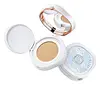
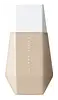
Florasis Flawless Jade Breathable Longwear Cushion Foundation Versus Fenty Beauty Eaze Drop Blurring Skin Tint


What's inside
What's inside
 Key Ingredients
Benefits
Concerns
Ingredients Side-by-side
Water
Skin ConditioningCyclopentasiloxane
Emollient
Trimethylsiloxysilicate
Emollient
Butylene Glycol
Humectant

Cyclohexasiloxane
Emollient
Polyglyceryl-3 Diisostearate
Emulsifying


Synthetic Fluorphlogopite
PEG-10 Dimethicone
Skin Conditioning
Isododecane
EmollientMagnesium Sulfate
Disteardimonium Hectorite
StabilisingPhenoxyethanol
Preservative
PEG/PPG-18/18 Dimethicone
Emulsifying
Triethoxycaprylylsilane
Polymethylsilsesquioxane
Tribehenin
Emollient
Aluminum Hydroxide
EmollientBetaine
Humectant
Propylene Carbonate
SolventCaprylyl Glycol
Emollient
Ethylhexylglycerin
Skin ConditioningNymphaea Alba Flower Extract
Skin ConditioningCamellia Japonica Flower Extract
EmollientPaeonia Albiflora Flower Extract
Tonic1,2-Hexanediol
Skin Conditioning
Nephrite Powder
Abrasive
Glycerin
Humectant
Rubus Idaeus Leaf Extract
Skin ConditioningRibes Nigrum Leaf Extract
Perfuming
Bletilla Striata Root Extract
Skin ConditioningAmpelopsis Japonica Root Extract
Skin ConditioningAtractylodes Macrocephala Root Extract
Skin ConditioningSorbic Acid
Preservative
CI 77891
Cosmetic ColorantCI 77492
Cosmetic ColorantCI 77491
Cosmetic ColorantCI 77499
Cosmetic ColorantWater, Cyclopentasiloxane, Trimethylsiloxysilicate, Butylene Glycol, Cyclohexasiloxane, Polyglyceryl-3 Diisostearate, Synthetic Fluorphlogopite, PEG-10 Dimethicone, Isododecane, Magnesium Sulfate, Disteardimonium Hectorite, Phenoxyethanol, PEG/PPG-18/18 Dimethicone, Triethoxycaprylylsilane, Polymethylsilsesquioxane, Tribehenin, Aluminum Hydroxide, Betaine, Propylene Carbonate, Caprylyl Glycol, Ethylhexylglycerin, Nymphaea Alba Flower Extract, Camellia Japonica Flower Extract, Paeonia Albiflora Flower Extract, 1,2-Hexanediol, Nephrite Powder, Glycerin, Rubus Idaeus Leaf Extract, Ribes Nigrum Leaf Extract, Bletilla Striata Root Extract, Ampelopsis Japonica Root Extract, Atractylodes Macrocephala Root Extract, Sorbic Acid, CI 77891, CI 77492, CI 77491, CI 77499
Water
Skin ConditioningDimethicone
Emollient
Talc
Abrasive
Dicaprylyl Carbonate
EmollientIsostearyl Neopentanoate
Emollient
PEG-10 Dimethicone
Skin Conditioning
Dimethicone/Vinyl Dimethicone Crosspolymer
Skin Conditioning
Glycerin
Humectant
Trimethylsiloxysilicate
Emollient
Isododecane
EmollientBis-PEG/PPG-14/14 Dimethicone
Emollient
Phenoxyethanol
Preservative
Sodium Chloride
MaskingDimethicone Crosspolymer
Emulsion Stabilising
Magnesium Sulfate
Hydrogen Dimethicone
Sodium Dehydroacetate
Preservative
Trehalose
Humectant
Urea
Buffering

Potassium Sorbate
Preservative
Silica
Abrasive

Disteardimonium Hectorite
StabilisingAluminum Hydroxide
EmollientBenzoic Acid
Masking
Sodium Hyaluronate
Humectant

C24-28 Alkyl Methicone
Emollient
Pentylene Glycol
Skin Conditioning
Serine
Masking
Dehydroacetic Acid
Preservative
Propylene Carbonate
SolventEthylhexylglycerin
Skin ConditioningAlgin
Masking
Caprylyl Glycol
Emollient
Disodium Phosphate
BufferingGlyceryl Polyacrylate
Pullulan
Tocopherol
Antioxidant



Potassium Phosphate
BufferingIron Oxides
CI 77891
Cosmetic ColorantWater, Dimethicone, Talc, Dicaprylyl Carbonate, Isostearyl Neopentanoate, PEG-10 Dimethicone, Dimethicone/Vinyl Dimethicone Crosspolymer, Glycerin, Trimethylsiloxysilicate, Isododecane, Bis-PEG/PPG-14/14 Dimethicone, Phenoxyethanol, Sodium Chloride, Dimethicone Crosspolymer, Magnesium Sulfate, Hydrogen Dimethicone, Sodium Dehydroacetate, Trehalose, Urea, Potassium Sorbate, Silica, Disteardimonium Hectorite, Aluminum Hydroxide, Benzoic Acid, Sodium Hyaluronate, C24-28 Alkyl Methicone, Pentylene Glycol, Serine, Dehydroacetic Acid, Propylene Carbonate, Ethylhexylglycerin, Algin, Caprylyl Glycol, Disodium Phosphate, Glyceryl Polyacrylate, Pullulan, Tocopherol, Potassium Phosphate, Iron Oxides, CI 77891
Reviews
Ingredients Explained
These ingredients are found in both products.
Ingredients higher up in an ingredient list are typically present in a larger amount.
Aluminum Hydroxide is a form of aluminum. It can be naturally found in nature as the mineral gibbsite. In cosmetics, Aluminum Hydroxide is used as a colorant, pH adjuster, and absorbent.
As a colorant, Aluminum Hydroxide may add opacity, or reduce the transparency. Aluminum hydroxide is contains both basic and acidic properties.
According to manufacturers, this ingredient is an emollient and humectant. This means it helps hydrate the skin.
In medicine, this ingredient is used to help relieve heartburn and help heal ulcers.
There is currently no credible scientific evidence linking aluminum hydroxide in cosmetics to increased cancer risk.
Major health organizations allow the use of aluminum hydroxide in personal care products and have not flagged it as a carcinogenic risk at typical usage levels.
Learn more about Aluminum HydroxideCaprylyl Glycol is a humectant, skin conditioner, emollient, and preservative booster derived from either caprylic acid or synthetically created.
Typical use levels vary from 0.3-1% as a preservative booster and go up to 2% to condition skin.
Because it is not a free-fatty acid, this ingredient is fungal acne safe (there's nothing for Malassezia to feed on).
Learn more about Caprylyl GlycolCi 77891 is a white pigment from Titanium dioxide. It is naturally found in minerals such as rutile and ilmenite.
It's main function is to add a white color to cosmetics. It can also be mixed with other colors to create different shades.
Ci 77891 is commonly found in sunscreens due to its ability to block UV rays.
Learn more about CI 77891Disteardimonium Hectorite comes from the clay mineral named hectorite. It is used to add thickness to a product.
It can also help stabilize a product by helping to disperse other ingredients.
Hectorite is a rare, white clay mineral.
Learn more about Disteardimonium HectoriteEthylhexylglycerin is created from glycerin. It is a multitasker ingredient that:
The CIR Expert Panel found minimal skin absorption or sensitization of any kind in a safety assessment. Though this ingredient is considered well-tolerated, a small number of cases of allergic dermatitis have been published since 2002. Just be sure to patch test if you are unsure.
Industry-reported use ranges from 8% in rinse-off products and 2% in leave-on formulations.
Learn more about EthylhexylglycerinGlycerin (or glycerol) is a compound naturally found in your skin. It's a powerhouse humectant that pulls water into the stratum corneum.
Topically, glycerin does several things at once:
Your skin makes glycerin on its own (mostly from sebaceous oil breakdown) and shuttles it to your outermost layer of skin, or your epidermis, via aquaporin-3.
Aquaporin-3 is a transporter that is essential for normal skin hydration, elasticity, and repair. Interestingly, mice lacking in AQP3 have dry and less elastic skin that can be fully corrected with glycerin.
This ingredient is non-irritating, plays well with almost every ingredient, and works across all skin types. Typical use is anywhere between 3-10% but can go up to 79% in some leave-on products.
Just know very high concentrations (>40%) can feel tacky in low humidity.
Glycerin is the name for this ingredient in American English. British English uses Glycerol/Glycerine.
Learn more about GlycerinIsododecane is a fragrance, emollient, and solvent.
As an emollient, it helps your skin stay soft and hydrated. Emollients help trap moisture into your skin.
Isododecane's role as a solvent makes it a great texture enhancer. It spreads smoothly on skin and does not leave a sticky feeling behind. Isododecane also helps prevent color transfer in makeup products.
Isododecane is not absorbed into skin.
The chemical name for this ingredient is 2,2,4,6,6-PENTAMETHYLHEPTANE.
Learn more about IsododecaneMagnesium Sulfate is a salt. More specifically, it is an epsom salt, or the bath salt used to help relieve muscle aches.
Despite having ‘sulfate’ in the name, it isn’t a surfactant or cleansing agent like sodium lauryl sulfate. Unlike those sulfates, magnesium sulfate doesn’t have the same cleansing or foaming properties (it's simply a type of salt).
In cosmetics, Magnesium Sulfate is used to thicken a product or help dilute other solids. It is a non-reactive and non-irritating ingredient.
One study shows magnesium deficiency may lead to inflammation of the skin. Applying magnesium topically may help reduce inflammation.
You can find this ingredient in sea water or mineral deposits.
Learn more about Magnesium SulfatePeg-10 Dimethicone is silicone with conditioner and emulsifier properties. It mostly acts as an emollient in skincare and and humectant in haircare.
According to the manufacturer, acidic formulations decrease the stability of this ingredient. It works best in neutral or near neutral formulations.
Phenoxyethanol is one of the most widely used preservatives in skincare (and for good reason!).
It has a large spectrum of antimicrobial activity and especially effective bacteria, yeast, and mold while only having a weak effect on your skin's natural microbiome.
On a cellular level, it disrupts the cell membranes of microbes by poking holes that make the cell leak. This shuts down the chemical reactions the microbe needs to make energy so it can no longer survive.
Another perk of this ingredient is that it stays functional across a wide pH range (3-10).
You'll often see it paired with boosters like Ethylhexylglycerin; one study showed that a 1:9 ratio of Ethylhexylglycerin to Phenoxyethanol damages bacterial membranes as effectively as doubling the Phenoxyethanol concentration on its own.
Typical use concentrations range from 0.3-1% depending on the formula, and this ingredient is capped at 1% int the EU.
Safety-wise, the fear mongering does not hold up to the evidence. The EU's Scientific Committee on Consumer Safety and FDA consider it safe as a preservative at up to 1%, including for children of all ages.
Adverse systemic effects only showed up in animal studies at exposures roughly 200x higher than what people get from cosmetics. And despite its very widespread use, this ingredient is a rare sensitizer and allergic reactions are uncommon.
Learn more about PhenoxyethanolThis ingredient is a solvent. It helps dissolve active ingredients and alter the texture of products.
Propylene Carbonate is commonly used in makeup and with clay, such as montmorillonite or bentonite.
Studies show this ingredient to be safe for cosmetics. When it is undiluted, it can cause skin irritation. (It is always diluted in skincare and makeup). This ingredient is water-soluble.
Propylene Carbonate is created from propylene glycol and carbonic acid.
Learn more about Propylene CarbonateThis silicone is an emollient. Emollients create a thin film on the skin to prevent moisture from escaping.
It is not soluble in water and helps increase water-resistance in products.
According to a manufacturer, it can blend seamlessly with silicone oils, such as Cyclopentasiloxane.
Learn more about TrimethylsiloxysilicateWater. It's the most common cosmetic ingredient of all. You'll usually see it at the top of ingredient lists, meaning that it makes up the largest part of the product.
So why is it so popular? Water most often acts as a solvent - this means that it helps dissolve other ingredients into the formulation.
You'll also recognize water as that liquid we all need to stay alive. If you see this, drink a glass of water. Remember to stay hydrated!
Learn more about Water

