

What's inside
What's inside
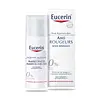 Key Ingredients
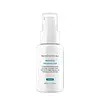
No key ingredients
Benefits
Concerns
Ingredients Side-by-side

Water
Skin ConditioningSqualane
Emollient

Glycerin
Humectant

Isopropyl Lauroyl Sarcosinate
Skin ConditioningUndecane
EmollientButyrospermum Parkii Butter
Skin Conditioning


Tridecane
Perfuming
PEG-100 Stearate
Glyceryl Stearate
Emollient
PEG-20 Stearate
Emulsifying
Ammonium Polyacryloyldimethyl Taurate
Emulsion StabilisingBisabolol
Masking


Butylene Glycol
Humectant
Caffeine
Skin Conditioning
Caprylyl Glycol
Emollient
Carbomer
Emulsion StabilisingCetyl Alcohol
Emollient
Dextrin
AbsorbentDisodium EDTA
Eperua Falcata Bark Extract
Skin ProtectingFarnesol
Perfuming

Palmitoyl Tripeptide-8
Skin Conditioning
Panthenol
Skin Conditioning
Pentaerythrityl Tetra-Di-T-Butyl Hydroxyhydrocinnamate
Antioxidant
Sodium Benzoate
Masking
Tocopherol
Antioxidant
Triethanolamine
BufferingXanthan Gum
EmulsifyingZinc Gluconate
Skin Conditioning

Water, Squalane, Glycerin, Isopropyl Lauroyl Sarcosinate, Undecane, Butyrospermum Parkii Butter, Tridecane, PEG-100 Stearate, Glyceryl Stearate, PEG-20 Stearate, Ammonium Polyacryloyldimethyl Taurate, Bisabolol, Butylene Glycol, Caffeine, Caprylyl Glycol, Carbomer, Cetyl Alcohol, Dextrin, Disodium EDTA, Eperua Falcata Bark Extract, Farnesol, Palmitoyl Tripeptide-8, Panthenol, Pentaerythrityl Tetra-Di-T-Butyl Hydroxyhydrocinnamate, Sodium Benzoate, Tocopherol, Triethanolamine, Xanthan Gum, Zinc Gluconate
Reviews
Ingredients Explained
These ingredients are found in both products.
Ingredients higher up in an ingredient list are typically present in a larger amount.
This ingredient is also known as shea butter. It is an effective skin hydrator and emollient.
Emollients help soothe and soften your skin. It does this by creating a protective film on your skin. This barrier helps trap moisture and keeps your skin hydrated. Emollients may be effective at treating dry or itchy skin.
Shea butter is rich in antioxidants. Antioxidants help fight free-radicals, or molecules that may harm the body. It is also full of fatty acids including stearic acid and linoleic acid. These acids help replenish the skin and keep skin moisturized.
While Shea Butter has an SPF rating of about 3-4, it is not a sunscreen replacement.
Shea butter may not be fungal acne safe. We recommend speaking with a professional if you have any concerns.
Learn more about Butyrospermum Parkii ButterCaprylyl Glycol is a humectant and emollient, meaning it attracts and preserves moisture.
It is a common ingredient in many products, especially those designed to hydrate skin. The primary benefits are retaining moisture, skin softening, and promoting a healthy skin barrier.
Though Caprylyl Glycol is an alcohol derived from fatty acids, it is not the kind that can dry out skin.
This ingredient is also used as a preservative to extend the life of products. It has slight antimicrobial properties.
Learn more about Caprylyl GlycolGlycerin is already naturally found in your skin. It helps moisturize and protect your skin.
A study from 2016 found glycerin to be more effective as a humectant than AHAs and hyaluronic acid.
As a humectant, it helps the skin stay hydrated by pulling moisture to your skin. The low molecular weight of glycerin allows it to pull moisture into the deeper layers of your skin.
Hydrated skin improves your skin barrier; Your skin barrier helps protect against irritants and bacteria.
Glycerin has also been found to have antimicrobial and antiviral properties. Due to these properties, glycerin is often used in wound and burn treatments.
In cosmetics, glycerin is usually derived from plants such as soybean or palm. However, it can also be sourced from animals, such as tallow or animal fat.
This ingredient is organic, colorless, odorless, and non-toxic.
Glycerin is the name for this ingredient in American English. British English uses Glycerol/Glycerine.
Learn more about GlycerinPanthenol is a common ingredient that helps hydrate and soothe the skin. It is found naturally in our skin and hair.
There are two forms of panthenol: D and L.
D-panthenol is also known as dexpanthenol. Most cosmetics use dexpanthenol or a mixture of D and L-panthenol.
Panthenol is famous due to its ability to go deeper into the skin's layers. Using this ingredient has numerous pros (and no cons):
Like hyaluronic acid, panthenol is a humectant. Humectants are able to bind and hold large amounts of water to keep skin hydrated.
This ingredient works well for wound healing. It works by increasing tissue in the wound and helps close open wounds.
Once oxidized, panthenol converts to pantothenic acid. Panthothenic acid is found in all living cells.
This ingredient is also referred to as pro-vitamin B5.
Learn more about Panthenol
