ESW Beauty Advanced Smoothing Lip Treatment Holiday Edition Versus e.l.f. cosmetics Thirst Burst Lip Treatment
This anti-aging lip moisturizer is formulated around Acetyl Hexapeptide-8 and Copper Tripeptide-1 to soften the look of wrinkles.
This smoothing lip moisturizer is formulated around Bis-Diglyceryl Polyacyladipate-2 and Ricinus Communis Seed Oil to refine skin texture and hydrate lips.

What's inside
What's inside
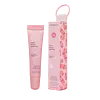 Key Ingredients
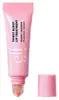
Benefits
Concerns
Ingredients Side-by-side
Hydrogenated Castor Oil Isostearate
Skin Conditioning


Polyglyceryl-2 Isostearate/Dimer Dilinoleate Copolymer
EmollientMethyl Hydrogenated Rosinate
Perfuming

Helianthus Annuus Seed Oil
Emollient
Butyrospermum Parkii Butter
Skin Conditioning



Eclipta Prostrata Extract
Skin Conditioning
Helianthus Annuus Seed Wax
Skin Conditioning
Glyceryl Caprylate
EmollientCaprylyl Glycol
Emollient
Melia Azadirachta Leaf Extract
Skin ConditioningParfum
Masking
Moringa Oleifera Seed Oil
Emollient
Water
Skin ConditioningButylene Glycol
Humectant
Glycerin
Humectant
1,2-Hexanediol
Skin Conditioning
Polyglyceryl-10 Laurate
Skin Conditioning
Psidium Guajava Fruit Extract
AstringentMangifera Indica Fruit Extract
Skin ConditioningEthylhexylglycerin
Skin ConditioningAcetyl Hexapeptide-8
Humectant

Copper Tripeptide-1
Skin Conditioning
Palmitoyl Pentapeptide-4
Skin Conditioning
Hexapeptide-9
Skin Conditioning
Tripeptide-1
Skin Conditioning
Hydrogenated Castor Oil Isostearate, Polyglyceryl-2 Isostearate/Dimer Dilinoleate Copolymer, Methyl Hydrogenated Rosinate, Helianthus Annuus Seed Oil, Butyrospermum Parkii Butter, Eclipta Prostrata Extract, Helianthus Annuus Seed Wax, Glyceryl Caprylate, Caprylyl Glycol, Melia Azadirachta Leaf Extract, Parfum, Moringa Oleifera Seed Oil, Water, Butylene Glycol, Glycerin, 1,2-Hexanediol, Polyglyceryl-10 Laurate, Psidium Guajava Fruit Extract, Mangifera Indica Fruit Extract, Ethylhexylglycerin, Acetyl Hexapeptide-8, Copper Tripeptide-1, Palmitoyl Pentapeptide-4, Hexapeptide-9, Tripeptide-1
Polybutene
Hydrogenated Polydecene
EmollientMicrocrystalline Wax
Emulsion StabilisingBis-Diglyceryl Polyacyladipate-2
Emollient
Hydrogenated Styrene/Isoprene Copolymer
Silica
Abrasive


Theobroma Cacao Seed Butter
Emollient
Ricinus Communis Seed Oil
Masking
Hydrogenated Olive Oil Decyl Esters
Emulsion Stabilising
Stearyl Stearate
Emollient
Synthetic Wax
Abrasive
Phytosteryl Macadamiate
Skin Conditioning
Oleyl Oleate
Emollient
Bis-Behenyl/Isostearyl/Phytosteryl Dimer Dilinoleyl Dimer Dilinoleate
EmollientEthylhexyl Palmitate
Emollient
Parfum
Masking
Polyglyceryl-2 Stearate
Emulsifying
Diethylhexyl Syringylidenemalonate
Skin Protecting
Polyhydroxystearic Acid
Emulsifying
Glyceryl Stearate
Emollient
Ethylhexylglycerin
Skin ConditioningDipotassium Glycyrrhizate
Humectant
Stearyl Alcohol
Emollient
Tribehenin
Emollient
Tocopherol
Antioxidant



Helianthus Annuus Seed Oil
Emollient
Caprylic/Capric Triglyceride
Masking
Sorbitan Isostearate
Emulsifying
Palmitoyl Tripeptide-1
Skin Conditioning
Linalool
Perfuming
Benzaldehyde
Masking
CI 77891
Cosmetic ColorantCI 42090
Cosmetic ColorantCI 19140
Cosmetic ColorantPolybutene, Hydrogenated Polydecene, Microcrystalline Wax, Bis-Diglyceryl Polyacyladipate-2, Hydrogenated Styrene/Isoprene Copolymer, Silica, Theobroma Cacao Seed Butter, Ricinus Communis Seed Oil, Hydrogenated Olive Oil Decyl Esters, Stearyl Stearate, Synthetic Wax, Phytosteryl Macadamiate, Oleyl Oleate, Bis-Behenyl/Isostearyl/Phytosteryl Dimer Dilinoleyl Dimer Dilinoleate, Ethylhexyl Palmitate, Parfum, Polyglyceryl-2 Stearate, Diethylhexyl Syringylidenemalonate, Polyhydroxystearic Acid, Glyceryl Stearate, Ethylhexylglycerin, Dipotassium Glycyrrhizate, Stearyl Alcohol, Tribehenin, Tocopherol, Helianthus Annuus Seed Oil, Caprylic/Capric Triglyceride, Sorbitan Isostearate, Palmitoyl Tripeptide-1, Linalool, Benzaldehyde, CI 77891, CI 42090, CI 19140
Ingredients Explained
These ingredients are found in both products.
Ingredients higher up in an ingredient list are typically present in a larger amount.
Ethylhexylglycerin is created from glycerin. It is a multitasker ingredient that:
The CIR Expert Panel found minimal skin absorption or sensitization of any kind in a safety assessment. Though this ingredient is considered well-tolerated, a small number of cases of allergic dermatitis have been published since 2002. Just be sure to patch test if you are unsure.
Industry-reported use ranges from 8% in rinse-off products and 2% in leave-on formulations.
Learn more about EthylhexylglycerinHelianthus Annuus Seed Oil is a plant oil derived from the seeds of a sunflower.
It is rich in fatty acids, primarily linoleic acid and oleic acid. This gives it emollient and skin conditioning properties.
The reason this ingredient is so effective is because it forms a thin film on the skin that reduces transepidermal water loss (TEWL) while supplying linoleic acid to the stratum corneum to improve barrier strength.
The high linoleic acid content is particularly noteworthy for acne-prone skin.
Research suggests that acne-prone skin tends to be deficient in linoleic acid in sebum. Topical application may help replenish this to support a healthier follicular environment and less comedone-promoting sebum.
One randomized study found sunflower seed oil preserved skin barrier integrity in adult volunteers with and without atopic dermatitis (outperforming olive oil).
This ingredient is well-studied, gentle, and an effective emollient suitable for most skin types.
On fungal acne: This ingredient may not be Fungal acne (Malassezia folliculitis) safe. This is because it contains fatty acids with carbon chain lengths in the C11-C24 range.
Learn more about Helianthus Annuus Seed OilParfum is a catch-all term for an ingredient or more that is used to give a scent to products.
Also called "fragrance", this ingredient can be a blend of hundreds of chemicals or plant oils. This means every product with "fragrance" or "parfum" in the ingredients list is a different mixture.
For instance, Habanolide is a proprietary trade name for a specific aroma chemical. When used as a fragrance ingredient in cosmetics, most aroma chemicals fall under the broad labeling category of “FRAGRANCE” or “PARFUM” according to EU and US regulations.
The term 'parfum' or 'fragrance' is not regulated in many countries. In many cases, it is up to the brand to define this term.
For instance, many brands choose to label themselves as "fragrance-free" because they are not using synthetic fragrances. However, their products may still contain ingredients such as essential oils that are considered a fragrance by INCI standards.
One example is Calendula flower extract. Calendula is an essential oil that still imparts a scent or 'fragrance'.
Depending on the blend, the ingredients in the mixture can cause allergies and sensitivities on the skin. Some ingredients that are known EU allergens include linalool and citronellol.
Parfum can also be used to mask or cover an unpleasant scent.
The bottom line is: not all fragrances/parfum/ingredients are created equally. If you are worried about fragrances, we recommend taking a closer look at an ingredient. And of course, we always recommend speaking with a professional.
Learn more about Parfum


