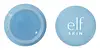
This hydrating lip mask is formulated around Squalane and Sodium Hyaluronate to hydrate lips and strengthen the lip barrier.
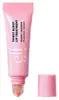
This smoothing lip moisturizer is formulated around Bis-Diglyceryl Polyacyladipate-2 and Ricinus Communis Seed Oil to refine skin texture and hydrate lips.

What's inside
What's inside
 Key Ingredients
Benefits
Concerns
Ingredients Side-by-side
Triisostearin
Skin Conditioning

Hydrogenated Polyisobutene
EmollientPolyglyceryl-10 Pentaisostearate
Emollient
Dextrin Palmitate
Emulsifying
Ethylhexylglycerin
Skin ConditioningDiethylhexyl Syringylidenemalonate
Skin Protecting
Squalane
Emollient


Parfum
Masking



Simethicone
Emollient
Caprylic/Capric Triglyceride
Masking
Tocopherol
Antioxidant




Water
Skin ConditioningRicinus Communis Seed Oil
Masking
Glycerin
Humectant
Sodium Hyaluronate
Humectant
Hydrogenated Castor Oil
Emollient
1,2-Hexanediol
Skin Conditioning
Soluble Collagen
Humectant
Linalool
Perfuming
Geraniol
Perfuming
Benzyl Benzoate
Antimicrobial
Limonene
Perfuming
CI 77891
Cosmetic ColorantCI 42090
Cosmetic ColorantCI 45410
Cosmetic ColorantTriisostearin, Hydrogenated Polyisobutene, Polyglyceryl-10 Pentaisostearate, Dextrin Palmitate, Ethylhexylglycerin, Diethylhexyl Syringylidenemalonate, Squalane, Parfum, Simethicone, Caprylic/Capric Triglyceride, Tocopherol, Water, Ricinus Communis Seed Oil, Glycerin, Sodium Hyaluronate, Hydrogenated Castor Oil, 1,2-Hexanediol, Soluble Collagen, Linalool, Geraniol, Benzyl Benzoate, Limonene, CI 77891, CI 42090, CI 45410
Polybutene
Hydrogenated Polydecene
EmollientMicrocrystalline Wax
Emulsion StabilisingBis-Diglyceryl Polyacyladipate-2
Emollient
Hydrogenated Styrene/Isoprene Copolymer
Silica
Abrasive


Theobroma Cacao Seed Butter
Emollient

Ricinus Communis Seed Oil
Masking
Hydrogenated Olive Oil Decyl Esters
Emulsion Stabilising
Stearyl Stearate
Emollient
Synthetic Wax
Abrasive
Phytosteryl Macadamiate
Skin Conditioning
Oleyl Oleate
Emollient
Bis-Behenyl/Isostearyl/Phytosteryl Dimer Dilinoleyl Dimer Dilinoleate
EmollientEthylhexyl Palmitate
Emollient
Parfum
Masking
Polyglyceryl-2 Stearate
Emulsifying
Diethylhexyl Syringylidenemalonate
Skin Protecting
Polyhydroxystearic Acid
Emulsifying
Glyceryl Stearate
Emollient
Ethylhexylglycerin
Skin ConditioningDipotassium Glycyrrhizate
Humectant
Stearyl Alcohol
Emollient
Tribehenin
Emollient
Tocopherol
Antioxidant
Helianthus Annuus Seed Oil
Emollient
Caprylic/Capric Triglyceride
Masking
Sorbitan Isostearate
Emulsifying
Palmitoyl Tripeptide-1
Skin Conditioning

Linalool
Perfuming
Benzaldehyde
Masking
CI 77891
Cosmetic ColorantCI 42090
Cosmetic ColorantCI 19140
Cosmetic ColorantPolybutene, Hydrogenated Polydecene, Microcrystalline Wax, Bis-Diglyceryl Polyacyladipate-2, Hydrogenated Styrene/Isoprene Copolymer, Silica, Theobroma Cacao Seed Butter, Ricinus Communis Seed Oil, Hydrogenated Olive Oil Decyl Esters, Stearyl Stearate, Synthetic Wax, Phytosteryl Macadamiate, Oleyl Oleate, Bis-Behenyl/Isostearyl/Phytosteryl Dimer Dilinoleyl Dimer Dilinoleate, Ethylhexyl Palmitate, Parfum, Polyglyceryl-2 Stearate, Diethylhexyl Syringylidenemalonate, Polyhydroxystearic Acid, Glyceryl Stearate, Ethylhexylglycerin, Dipotassium Glycyrrhizate, Stearyl Alcohol, Tribehenin, Tocopherol, Helianthus Annuus Seed Oil, Caprylic/Capric Triglyceride, Sorbitan Isostearate, Palmitoyl Tripeptide-1, Linalool, Benzaldehyde, CI 77891, CI 42090, CI 19140
Reviews
Ingredients Explained
These ingredients are found in both products.
Ingredients higher up in an ingredient list are typically present in a larger amount.
Caprylic/Capric Triglyceride (aka MCT Oil) is a lightweight emollient, solvent, and texture enhancer. It is considered a skin-softener by helping to prevent moisture loss.
Though it behaves like an oil, it is not technically one due to its chemical composition. One perk of this ingredient is that it is very stable, resistant to oxidation, and unlikely to go rancid.
In practice, that translates to a long shelf life and a consistently elegant skin feel.
While there is an assumption Caprylic Triglyceride can clog pores due to it being derived from coconut oil, there is no research supporting this. Just patch test if you have concerns.
Fractionated coconut oil and MCT Oil are both listed as Caprylic/Capric Triglyceride according to INCI. This is because INCI names are based on the ingredient’s final chemical composition and not its marketing name or source.
This ingredient is treated as the gold standard fungal acne safe oil. Even though it is coconut derived, the problematic lauric acid is stripped out.
This leaves just caprylic (C8) and capric (C10) acid. These chain lengths actually trend antifungal; a 2020 study found caprylic acid was enough to disrupt Malassezia furfur cell membrane, with a caprylic acid derivative damaging membrane structures at concentrations as low as 0.2%.
Learn more about Caprylic/Capric TriglycerideCi 42090 is a synthetic dye created from petroleum. It is used to give a bright blue color to cosmetics, medicine, and food.
Ci 77891 is a white pigment from Titanium dioxide. It is naturally found in minerals such as rutile and ilmenite.
It's main function is to add a white color to cosmetics. It can also be mixed with other colors to create different shades.
Ci 77891 is commonly found in sunscreens due to its ability to block UV rays.
Learn more about CI 77891Diethylhexyl Syringylidenemalonate (DESM) is a photostabilizer, antioxidant, and SPF booster.
One of DESM's main roles is stabilizing UV filters, especially avobenzone. Avobenzone is notoriously unstable when exposed to sunlight. By enhancing the stability of these filters, DESM helps maintain the sunscreen's effectivess through wear. It also helps improve protection against long-wave UVA rays by increasing the wavelength of the formula.
Besides enhancing UVA protection, DESM can boost the SPF of high-SPF formulations by up to 5 units.
DESM also preserves the color integrity of cosmetic products and helps reduce the chance of yellowing of fading due to light exposure.
This ingredient is typically found in concentrations between 0.3% - 0.5%. There are currently no maximum usage limits by regulatory bodies.
Though this ingredient is a chemical UV filter, it can often be found in "100% mineral" sunscreens. This is due to regulatory loopholes.
Learn more about Diethylhexyl SyringylidenemalonateEthylhexylglycerin is created from glycerin. It is a multitasker ingredient that:
The CIR Expert Panel found minimal skin absorption or sensitization of any kind in a safety assessment. Though this ingredient is considered well-tolerated, a small number of cases of allergic dermatitis have been published since 2002. Just be sure to patch test if you are unsure.
Industry-reported use ranges from 8% in rinse-off products and 2% in leave-on formulations.
Learn more about EthylhexylglycerinLinalool is a small, naturally occurring scent molecule found in plants like lavender, coriander, bergamot, and more.
It is one of the two most-used fragrance ingredients in cosmetics and added purely for smell. Since it's not used for a skin benefit, there's no "effective dose". Concentration depends on the fragrance load of the product.
The EU requires it to be named on the label above 0.001% in leave-on and 0.01% in rinse-off products.
Fresh linalool is a weak sensitizer but air exposure turns some of it into hydroperoxides, which are strong sensitizers. Those oxidation products are the actual allergy concern.
Patch-test clinics see positive reactions to linalool hydroperoxides in about 4% to 12% of dermatitis patients depending on country and test concentration.
Resassuringly, one analytical study found hydroperoxide levels in real fragranced products to be orders of magnitude below what induced sensitization in animal studies with no evidence of oxidation building up during normal storage.
The practical takeaway is that linalool is fine for most people but worth avoiding if you have a confirmed fragrance contact allergy or a badly compromised barrier.
Products stored a long time after opening are also the high-risk scenario since that is when oxidation happens.
The scent of linalool is described as floral, spicy tropical, and citrus-like.
Learn more about LinaloolParfum is a catch-all term for an ingredient or more that is used to give a scent to products.
Also called "fragrance", this ingredient can be a blend of hundreds of chemicals or plant oils. This means every product with "fragrance" or "parfum" in the ingredients list is a different mixture.
For instance, Habanolide is a proprietary trade name for a specific aroma chemical. When used as a fragrance ingredient in cosmetics, most aroma chemicals fall under the broad labeling category of “FRAGRANCE” or “PARFUM” according to EU and US regulations.
The term 'parfum' or 'fragrance' is not regulated in many countries. In many cases, it is up to the brand to define this term.
For instance, many brands choose to label themselves as "fragrance-free" because they are not using synthetic fragrances. However, their products may still contain ingredients such as essential oils that are considered a fragrance by INCI standards.
One example is Calendula flower extract. Calendula is an essential oil that still imparts a scent or 'fragrance'.
Depending on the blend, the ingredients in the mixture can cause allergies and sensitivities on the skin. Some ingredients that are known EU allergens include linalool and citronellol.
Parfum can also be used to mask or cover an unpleasant scent.
The bottom line is: not all fragrances/parfum/ingredients are created equally. If you are worried about fragrances, we recommend taking a closer look at an ingredient. And of course, we always recommend speaking with a professional.
Learn more about ParfumThis ingredient is also known as castor oil. It is a skin conditioning ingredient.
The star component of castor oil is ricinoleic acid, an unusual fatty acid that makes up ~80-92% of its composition.
In skincare, it is an emollient that dries down to a solid film with water-binding properties. This helps keep skin hydrated and helps reduce transepidermal water loss (TEWL).
A 2026 dermatology review pulls together its broader uses:
Human clinical testing found this ingredient to be non-irritating and non-sensitizing.
Because castor oil contains fatty acids in the C11-24 range, this ingredient may not be fungal acne safe.
At this time, the literature does not support castor oil in regrowing hair. A 2022 systematic review found no strong evidence that it supports hair growth and only weak evidence that it improves hair shine.
Castor oil itself carries "perfuming" and "masking" function tags according to the official CosIng database. This is because of its mild odor and odor-dampening properties.
Learn more about Ricinus Communis Seed OilTocopherol is a fat-soluble antioxidant known as Vitamin E.
You'll find this ingredient in the vast majority of skincare (for good reason). It works to neutralize free radicals, or unstable molecules generated by UV exposure, pollution, and other environmental stressors, before they can cause oxidative damage to your skin cells.
Topically applied tocopherol has been shown to protect against UV damage by ramping up the skin's own natural defense enzymes.
It also acts as a skin conditioning agent; some studies show that regular topical use can improve the skin's water-binding capacity over 2-4 weeks.
This ingredient is especially loved for being a team player. When combined with Vitamin C, the photoprotective effect of both ingredients roughly doubles and the combo also helps reduce UV-induced DNA damage.
This ingredient has some brightening potential but it's more of a prevention ingredient than spot-fader. Cell studies show it can slow down melanin production but it's worth noting that it's not the most powerful brightener out there.
In formulations, it also serves as a stabilizer that helps protect other oxidation-prone ingredients from degrading.
Concentrations usually range from 0.1-1% in most leave-on products.
Learn more about Tocopherol

