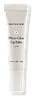
This barrier-repair lip moisturizer is formulated around Butyrospermum Parkii Butter and Squalane to strengthen the lip barrier and hydrate lips.
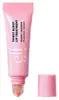
This smoothing lip moisturizer is formulated around Bis-Diglyceryl Polyacyladipate-2 and Ricinus Communis Seed Oil to refine skin texture and hydrate lips.

What's inside
What's inside
 Key Ingredients
Benefits
Concerns
Ingredients Side-by-side
Phytosteryl/Isostearyl/Cetyl/Stearyl/Behenyl Dimer Dilinoleate
Skin Conditioning

Diisostearyl Malate
EmollientHydrogenated Polyisobutene
EmollientPolybutene
Polyglyceryl-2 Diisostearate
Emulsifying

Phytosteryl/Isostearyl/Cetyl/Stearyl/Behenyl Dimer Dilinoleate, Diisostearyl Malate, Hydrogenated Polyisobutene, Polybutene, Polyglyceryl-2 Diisostearate, Butyrospermum Parkii Butter, Microcrystalline Wax, Aroma, Synthetic Wax, Mica, Squalane, Theobroma Grandiflorum Seed Butter, Tocopherol, Citric Acid
Polybutene
Hydrogenated Polydecene
EmollientMicrocrystalline Wax
Emulsion StabilisingBis-Diglyceryl Polyacyladipate-2
Emollient
Hydrogenated Styrene/Isoprene Copolymer
Silica
Abrasive


Theobroma Cacao Seed Butter
Emollient


Ricinus Communis Seed Oil
Masking

Hydrogenated Olive Oil Decyl Esters
Emulsion Stabilising
Stearyl Stearate
Emollient
Synthetic Wax
Abrasive
Phytosteryl Macadamiate
Skin Conditioning
Oleyl Oleate
Emollient
Bis-Behenyl/Isostearyl/Phytosteryl Dimer Dilinoleyl Dimer Dilinoleate
EmollientEthylhexyl Palmitate
Emollient
Parfum
Masking

Polyglyceryl-2 Stearate
Emulsifying
Diethylhexyl Syringylidenemalonate
Skin Protecting
Polyhydroxystearic Acid
Emulsifying
Glyceryl Stearate
Emollient
Ethylhexylglycerin
Skin ConditioningDipotassium Glycyrrhizate
Humectant

Stearyl Alcohol
Emollient
Tribehenin
Emollient
Tocopherol
Antioxidant





Helianthus Annuus Seed Oil
Emollient
Caprylic/Capric Triglyceride
Masking
Sorbitan Isostearate
Emulsifying
Palmitoyl Tripeptide-1
Skin Conditioning


Linalool
Perfuming
Benzaldehyde
Masking
CI 77891
Cosmetic ColorantCI 42090
Cosmetic ColorantCI 19140
Cosmetic ColorantPolybutene, Hydrogenated Polydecene, Microcrystalline Wax, Bis-Diglyceryl Polyacyladipate-2, Hydrogenated Styrene/Isoprene Copolymer, Silica, Theobroma Cacao Seed Butter, Ricinus Communis Seed Oil, Hydrogenated Olive Oil Decyl Esters, Stearyl Stearate, Synthetic Wax, Phytosteryl Macadamiate, Oleyl Oleate, Bis-Behenyl/Isostearyl/Phytosteryl Dimer Dilinoleyl Dimer Dilinoleate, Ethylhexyl Palmitate, Parfum, Polyglyceryl-2 Stearate, Diethylhexyl Syringylidenemalonate, Polyhydroxystearic Acid, Glyceryl Stearate, Ethylhexylglycerin, Dipotassium Glycyrrhizate, Stearyl Alcohol, Tribehenin, Tocopherol, Helianthus Annuus Seed Oil, Caprylic/Capric Triglyceride, Sorbitan Isostearate, Palmitoyl Tripeptide-1, Linalool, Benzaldehyde, CI 77891, CI 42090, CI 19140
Reviews
Ingredients Explained
These ingredients are found in both products.
Ingredients higher up in an ingredient list are typically present in a larger amount.
Microcrystalline Wax is derived from petroleum through a de-oiling process, then highly refined and purified before use in cosmetics.
In skincare formulations, it is used to improve texture and create a smooth, even consistency. It also helps stabilize products by preventing ingredients from separating.
Polybutene is used to help control the viscosity of a product. This just means it helps adjusts the texture.
It is a polymer and does not get absorbed into the skin due to its large size.
Studies found this ingredient did not irritate skin in concentrations below 15%.
Learn more about PolybuteneSynthetic Wax is a manufactured hydrocarbon wax. In formulas, it works as an occlusive emollient that helps reduce water loss and improves the spreadability of products.
Research comparing synthetic wax to traditional mineral-derived products found that formulas containing it perform as well for skin hydration.
It is considered non-comedogenic and vegan-friendly.
This ingredient has a well-established safety record by the CIR Expert Panel for Cosmetic Ingredient Safety.
Synthetic Waxes are straight/branched-chain hydrocarbons with no ester bond or fatty acids. That means there is nothing for the Malassezia yeast to feed on.
Learn more about Synthetic WaxTocopherol is a fat-soluble antioxidant known as Vitamin E.
You'll find this ingredient in the vast majority of skincare (for good reason). It works to neutralize free radicals, or unstable molecules generated by UV exposure, pollution, and other environmental stressors, before they can cause oxidative damage to your skin cells.
Topically applied tocopherol has been shown to protect against UV damage by ramping up the skin's own natural defense enzymes.
It also acts as a skin conditioning agent; some studies show that regular topical use can improve the skin's water-binding capacity over 2-4 weeks.
This ingredient is especially loved for being a team player. When combined with Vitamin C, the photoprotective effect of both ingredients roughly doubles and the combo also helps reduce UV-induced DNA damage.
This ingredient has some brightening potential but it's more of a prevention ingredient than spot-fader. Cell studies show it can slow down melanin production but it's worth noting that it's not the most powerful brightener out there.
In formulations, it also serves as a stabilizer that helps protect other oxidation-prone ingredients from degrading.
Concentrations usually range from 0.1-1% in most leave-on products.
Learn more about Tocopherol

