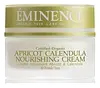
This calming moisturizer is formulated around Calendula Officinalis Extract and Aloe Barbadensis Leaf Juice to calm redness and hydrate skin.


What's inside
What's inside
 Key Ingredients
Benefits
Concerns
Ingredients Side-by-side
Water
Skin ConditioningLinseed Acid
CleansingEchinacea Purpurea Extract
MoisturisingRuby Extract
Skin ConditioningSesamum Indicum Seed Oil
Emollient




Glycerin
Humectant


Glyceryl Stearate
Emollient
Calendula Officinalis Extract
Skin Conditioning

Achillea Millefolium Extract
CleansingTheobroma Cacao Seed Butter
Emollient
Aloe Barbadensis Leaf Juice
Skin Conditioning
Persea Gratissima Oil
Skin Conditioning
Simmondsia Chinensis Seed Oil
Emollient
Macadamia Ternifolia Seed Oil
Emollient
Prunus Armeniaca Kernel Oil
Masking
Cetyl Alcohol
Emollient

Butyrospermum Parkii Butter
Skin Conditioning
Lecithin
Emollient
Xanthan Gum
EmulsifyingTocopherol
Antioxidant




Allantoin
Skin Conditioning
Niacinamide
Smoothing




Pantothenic Acid
Skin ConditioningZinc Sulfate
Antimicrobial
Hippophae Rhamnoides Oil
Emollient
Retinol
Skin Conditioning

Dipotassium Glycyrrhizate
Humectant
Benzyl Alcohol
Perfuming




Benzoic Acid
Masking
Sorbic Acid
Preservative
Sodium Benzoate
Masking
Lactic Acid
Buffering
Oenothera Biennis Oil
Emollient
Water, Linseed Acid, Echinacea Purpurea Extract, Ruby Extract, Sesamum Indicum Seed Oil, Glycerin, Glyceryl Stearate, Calendula Officinalis Extract, Achillea Millefolium Extract, Theobroma Cacao Seed Butter, Aloe Barbadensis Leaf Juice, Persea Gratissima Oil, Simmondsia Chinensis Seed Oil, Macadamia Ternifolia Seed Oil, Prunus Armeniaca Kernel Oil, Cetyl Alcohol, Butyrospermum Parkii Butter, Lecithin, Xanthan Gum, Tocopherol, Allantoin, Niacinamide, Pantothenic Acid, Zinc Sulfate, Hippophae Rhamnoides Oil, Retinol, Dipotassium Glycyrrhizate, Benzyl Alcohol, Benzoic Acid, Sorbic Acid, Sodium Benzoate, Lactic Acid, Oenothera Biennis Oil
Water
Skin ConditioningAlcohol Denat.
Antimicrobial
Glycol Stearate Se
Emulsifying
Propylene Glycol
Humectant
Isopropyl Palmitate
Emollient
Triceteareth-4 Phosphate
EmulsifyingMethylpropanediol
SolventPersea Gratissima Oil
Skin Conditioning
Hamamelis Virginiana Water
Astringent
Fucus Vesiculosus Extract
Emollient
Glycine Soja Oil
Emollient
Tocopheryl Acetate
Antioxidant
Bisabolol
Antioxidant
Allantoin
Skin Conditioning
Farnesol
Perfuming
Parfum
Masking
Magnesium Aluminum Silicate
Absorbent
Caprylyl Glycol
Emollient
Phenylpropanol
Masking
Citral
Perfuming
Citronellol
Perfuming
Limonene
Perfuming
Linalool
Perfuming
Geraniol
Perfuming
Alpha-Isomethyl Ionone
Perfuming
Water, Alcohol Denat., Glycol Stearate Se, Propylene Glycol, Isopropyl Palmitate, Triceteareth-4 Phosphate, Methylpropanediol, Persea Gratissima Oil, Hamamelis Virginiana Water, Fucus Vesiculosus Extract, Glycine Soja Oil, Tocopheryl Acetate, Bisabolol, Allantoin, Farnesol, Parfum, Magnesium Aluminum Silicate, Caprylyl Glycol, Phenylpropanol, Citral, Citronellol, Limonene, Linalool, Geraniol, Alpha-Isomethyl Ionone
Alternatives
Ingredients Explained
These ingredients are found in both products.
Ingredients higher up in an ingredient list are typically present in a larger amount.
Allantoin is a soothing ingredient known for its protective and moisturizing properties; it's basically a quiet workhorse ingredient you can find in a huge range of cosmetics.
Though it can be derived from the comfrey plant, allantoin is produced synthetically for cosmetic products to ensure purity.
Research shows it can encourage your skin cells to turn over and renew by stimulating keratinocyte and fibroblast proliferation.
It also has mild keratolytic properties to help loosen and shed dead skin cells without being harsh.
Studies also suggest allantoin can help calm inflammation by dialing down some of the chemical signals your skin sends out when it is irritated.
This ingredient is typically used in the 0.1-0.5% range, and the FDA recognizes it as a skin protectant in OTC products up to 2%.
Overall, allantoin is a wonderful addition to most routines; it is stable across a wide pH range (~4-8), works well with other ingredients, and is considered non-sensitizing/non-irritating.
Fun fact: Allantoin is naturally occurring in comfrey root, beets, chamomile, and wheat sprouts. Our bodies even produce it as a byproduct of uric acid metabolism.
Learn more about AllantoinThis ingredient is also known as Avocado oil. It's the cold-pressed oil from the flesh of the avocado fruit packed with fatty acids (mostly oleic acid).
The rich fatty acid profile allows it to function as a skin conditioning agent and emollient; it helps soften and smooth skin while reducing water loss.
Preclinical research has found that topical avocado oil increased collagen synthesis and reduced inflammation during wound healing, giving it some skin-repairing credibility.
The unsaponifiable fraction of the oil is also interesting: studies on avocado unsaponifiables showed that it helped skin produce more collagen and other structural compounds that support healing.
The CIR Expert Panel has found this ingredient to be non-irritating in formulations.
It's a great ingredient for dry or compromised skin. Just know it may not be fungal acne safe. This is because the oleic acid content falls within the range that Malassezia can use as a food source.
Learn more about Persea Gratissima OilWater. It's the most common cosmetic ingredient of all. You'll usually see it at the top of ingredient lists, meaning that it makes up the largest part of the product.
So why is it so popular? Water most often acts as a solvent - this means that it helps dissolve other ingredients into the formulation.
You'll also recognize water as that liquid we all need to stay alive. If you see this, drink a glass of water. Remember to stay hydrated!
Learn more about Water

