Ellana Mineral Cosmetics Timeless Age Defying Skin Serum Versus Summer Fridays Jet Lag Deep Hydration Serum
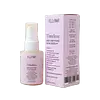
This anti-aging serum is formulated around Niacinamide and Acetyl Glucosamine to soften the look of wrinkles and brighten dull-looking skin.
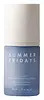
This hydrating serum is formulated around Squalane and Sodium Hyaluronate to hydrate skin and strengthen the skin barrier.


What's inside
What's inside
 Key Ingredients
Benefits
Concerns
No concerns
Ingredients Side-by-side
Water
Skin ConditioningLysine
Skin ConditioningHistidine
Humectant

Arginine
Masking
Aspartic Acid
Masking
Threonine
Serine
Masking
Glutamic Acid
Humectant
Proline
Skin Conditioning
Glycine
Buffering
Alanine
Masking
Valine
MaskingMethionine
Skin ConditioningIsoleucine
Skin ConditioningLeucine
Skin ConditioningTyrosine
MaskingPhenylalanine
Masking
Cysteine
Antioxidant
Hydrolyzed Psoralea Corylifolia Extract
Skin ConditioningSodium Hyaluronate
Humectant


Niacinamide
Smoothing






Acetyl Glucosamine
Skin Conditioning
Centella Asiatica Extract
Cleansing
Morus Alba Bark Extract
Skin ConditioningPyrus Malus Fruit Extract
Skin Conditioning
Camellia Sinensis Leaf Extract
Antimicrobial
Broussonetia Kazinoki Root Extract
Skin ConditioningGalactoarabinan
Camellia Japonica Leaf Extract
Skin ConditioningAcacia Senegal Gum
MaskingHydrolyzed Rhizobian Gum
Sodium Lactate
Buffering
Sodium Glutamate
MaskingEthylhexylglycerin
Skin ConditioningPhenoxyethanol
Preservative
Sodium Citrate
BufferingWater, Lysine, Histidine, Arginine, Aspartic Acid, Threonine, Serine, Glutamic Acid, Proline, Glycine, Alanine, Valine, Methionine, Isoleucine, Leucine, Tyrosine, Phenylalanine, Cysteine, Hydrolyzed Psoralea Corylifolia Extract, Sodium Hyaluronate, Niacinamide, Acetyl Glucosamine, Centella Asiatica Extract, Morus Alba Bark Extract, Pyrus Malus Fruit Extract, Camellia Sinensis Leaf Extract, Broussonetia Kazinoki Root Extract, Galactoarabinan, Camellia Japonica Leaf Extract, Acacia Senegal Gum, Hydrolyzed Rhizobian Gum, Sodium Lactate, Sodium Glutamate, Ethylhexylglycerin, Phenoxyethanol, Sodium Citrate
Water
Skin ConditioningPropanediol
Solvent
Squalane
Emollient
Glycerin
Humectant
Cetyl Ethylhexanoate
EmollientAloe Barbadensis Leaf Juice
Skin Conditioning
Ammonium Acryloyldimethyltaurate/Vp Copolymer
Polyester-5
Sodium Hyaluronate
Humectant
Avena Sativa Kernel Flour
Abrasive
Sodium PCA
Humectant
Panthenol
Skin Conditioning
Ceramide NP
Skin Conditioning
Arnica Montana Flower Extract
Masking
Laminaria Digitata Extract
Skin Protecting

Centella Asiatica Extract
Cleansing
Palmitoyl Tripeptide-38
Skin Conditioning
Niacinamide
Smoothing
Acetyl Glucosamine
Skin Conditioning
Arginine
Masking
Aspartic Acid
Masking
PCA
Humectant
Glycine
Buffering
Alanine
Masking
Serine
Masking
Valine
MaskingProline
Skin Conditioning
Threonine
Isoleucine
Skin ConditioningPhenylalanine
Masking
Histidine
Humectant
Sodium Lactate
Buffering
Caprylhydroxamic Acid
ChelatingGlyceryl Stearate
Emollient

Disodium EDTA
ChelatingSodium Hydroxide
BufferingPolyglyceryl-3 Methylglucose Distearate
Emulsifying
Sodium Benzoate
Masking
Citric Acid
Buffering
Hydroxypropyl Cyclodextrin
MaskingXanthan Gum
EmulsifyingPotassium Sorbate
Preservative
1,2-Hexanediol
Skin Conditioning
Propylene Glycol
Humectant
Water, Propanediol, Squalane, Glycerin, Cetyl Ethylhexanoate, Aloe Barbadensis Leaf Juice, Ammonium Acryloyldimethyltaurate/Vp Copolymer, Polyester-5, Sodium Hyaluronate, Avena Sativa Kernel Flour, Sodium PCA, Panthenol, Ceramide NP, Arnica Montana Flower Extract, Laminaria Digitata Extract, Centella Asiatica Extract, Palmitoyl Tripeptide-38, Niacinamide, Acetyl Glucosamine, Arginine, Aspartic Acid, PCA, Glycine, Alanine, Serine, Valine, Proline, Threonine, Isoleucine, Phenylalanine, Histidine, Sodium Lactate, Caprylhydroxamic Acid, Glyceryl Stearate, Disodium EDTA, Sodium Hydroxide, Polyglyceryl-3 Methylglucose Distearate, Sodium Benzoate, Citric Acid, Hydroxypropyl Cyclodextrin, Xanthan Gum, Potassium Sorbate, 1,2-Hexanediol, Propylene Glycol
Reviews
Ingredients Explained
These ingredients are found in both products.
Ingredients higher up in an ingredient list are typically present in a larger amount.
Acetyl Glucosamine is an antioxidant and humectant. It is an amino acid sugar and is naturally found in our skin.
The cool thing about this ingredient? It helps the skin produce hyaluronic acid and boost hydration. It also has antioxidant benefits to protect skin cells.
When paired with niacinamide, Acetyl Glucosamine has been shown to be effective at reducing discoloration.
Learn more about Acetyl GlucosamineAlanine is an amino acid and is already found in the human body. Our skin uses alanine to build collagen, elastin, and keratin.
Arginine is a semi-essential amino acid. This just means our bodies can product a bit on its own, but sometimes needs a little boost from food sources.
It is a part of your skin's natural moisturizing factor (NMF), or the water-loving molecules in your outermost layer of skin (stratum corneum) that keeps everything hydrated and happy.
Here's an interesting thing about Arginine: your skin converts it into urea through the Krebs-Henseleit urea cycle. Urea is one of the most effective humectants your skin naturally produces.
A clinical study showed applying 2.5% arginine hydrochloride to atopic dermatitis skin showed significant urea levels in the stratum corneum and improved moisture in just four weeks.
Arginine is also a precursor to nitric oxide; nitric oxide improves microcirculation and supports wound healing and collagen synthesis.
One study found that an amino acid complex containing Arginine reduced skin irritation, improved hydration, and accelerated skin repair in clinical / in-vivo studies.
Arginine itself is an amino acid and not a fatty acid, oil, or ester. On its own, it's not a direct food source for Malassezia, or the yeast that causes fungal acne.
Learn more about ArginineAspartic Acid is an amino acid that our bodies produce naturally. It is an antioxidant.
Our body uses Aspartic Acid to help build collagen and elastin. It also plays a role in hydrating skin.
Centella Asiatica Extract (Centella) is one of the most researched botanical extracts in skincare with decades of studies backing its effects on inflammation, collagen, and the skin barrier.
That research keeps pointing back to the same four triterpenoid saponins: Asiaticoside, Madecassoside, Asiatic Acid, and Madecassic Acid.
These compounds allow centella to dial back inflammation, encourage the skin to build and hold onto collagen, support the barrier and hydration, and bring solid antioxidant activity to protect against signs of aging.
Centella also carries a nice supporting cast of Vitamin A, vitamin C, several B vitamins, and amino acids. Put it all together and you get an ingredient that soothes, hydrates, and protects, all at once.
Most of centella's magic comes from the four big compounds (Asiaticoside, Madecassoside, Asiatic Acid, and Madecassic Acid). These are the actives doing the heavy lifting in almost every centella study.
Here is the short version of what they do in the skin:
So it is not just soothing for the sake of soothing. Centella calms the skin AND helps it rebuild.
Just FYI, not all centella on an ingredient list is the same. What you are getting actually depends on the extract:
Fun fact on the ratios: the leaves tend to be richest in Madecassoside and Asiaticoside, and lower in the two acids. The exact amounts shift with where the plant is grown and how it is processed. This means purity really does vary brand to brand.
Centella is one of the most easygoing actives out there.
It layers well with basically everything: niacinamide, hyaluronic acid, peptides, and vitamin C, and also pairs nicely with stronger actives like retinoids and exfoliating acids where it can help take the edge off irritation.
On the safety side, centella and its triterpenes are classified as weak sensitizers, meaning allergic reactions are possible but uncommon.
Patch tests at 1% and 5% came back negative in test panels, and creams at typical use levels did not cause allergic reactions across large groups of people.
But as with any new active, a patch test is still a smart move for very reactive skin.
Centella is widely used because it is effective at low percentages. For context, human safety testing found no meaningful irritation from creams containing centella extract at everyday use levels (the tested amounts were well under 1%).
The irritancy threshold in animal testing was also above 30% (so real-world formulas sit far below anything concerning).
In collagen lab studies, higher concentrations drove more collagen synthesis, so serums built around centella tend to feature it more prominently.
Bottom line: you will find centella working nicely anywhere from a fraction of a percent up to hero-ingredient levels depending on whether it is a supporting soother or the main event.
Fun fact: Centella has been used as a medicine and in food for many centuries. As a medicine, it is used to treat burns, scratches, and wounds.
Learn more about Centella Asiatica ExtractGlycine is the smallest amino acid and a key building block of collagen. It's part if your skin's Natural Moisturizing Factor (NMF), or the water-loving molecules in your outermost layer of skin (stratum corneum) that keeps everything hydrated and happy.
A study from 2022 found that an amino acid complex featuring taurine, arginine, and glycine significantly reduced skin irritation, improved redness, and accelerated the skin repair process.
Histidine is a semi-essential amino acid used by our bodies to create protein. It has humectant and skin conditioning properties.
Our bodies use histidine to create filaggrin - filaggrin is a structural protein that the skin uses in maintaining skin barrier.
One study found histidine and carnosine to be a dynamic duo for your skin:
Oral histidine has also been found to help with filaggrin-deficit skin disorders such as atopic dermatitis.
Why is it considered a semi-essential amino acid? This is because adults are able to create it but children must get it from their diet.
Learn more about HistidineIsoleucine is an amino acid that helps reinforce our skin barrier. This amino acid plays a role in creating protein for the body.
Fun fact: Isoleucine is found in meat, fish, dairy, legumes, and nuts.
Niacinamide is a multitasking form of vitamin B3 that strengthens the skin barrier, reduces pores and dark spots, regulates oil, and improves signs of aging.
And the best part? It's gentle and well-tolerated by most skin types, including sensitive and reactive skin.
You might have heard of "niacin flush", or the reddening of skin that causes itchiness. Niacinamide has not been found to cause this.
In very rare cases, some individuals may not be able to tolerate niacinamide at all or experience an allergic reaction to it.
If you are experiencing flaking, irritation, and dryness with this ingredient, be sure to double check all your products as this ingredient can be found in all categories of skincare.
When incorporating niacinamide into your routine, look out for concentration amounts. Typically, 5% niacinamide provides benefits such as fading dark spots. However, if you have sensitive skin, it is better to begin with a smaller concentration.
When you apply niacinamide to your skin, your body converts it into nicotinamide adenine dinucleotide (NAD). NAD is an essential coenzyme that is already found in your cells as "fuel" and powers countless biological processes.
In your skin, NAD helps repair cell damage, produce new healthy cells, support collagen production, strengthen the skin barrier, and fight environmental stressors (like UV and pollution).
Our natural NAD levels start to decline with age, leading to slower skin repair, visible aging, and a weaker skin barrier. By providing your skin niacinamide, you're recharging your skin's NAD levels. This leads to stronger, healthier, and younger looking skin.
Another name for vitamin B3 is nicotinamide. This vitamin is water-soluble and our bodies don't store it. We obtain Vitamin B3 from either food or skincare. Meat, fish, wheat, yeast, and leafy greens contain vitamin B3.
The type of niacinamide used in skincare is synthetically created.
Learn more about NiacinamidePhenylalanine is an amino acid. It is a skin soothing and hydrating ingredient. Amino acids play a crucial role in wound healing and skin hydration.
This ingredient is also used to help even out skin tone due to its ability to disrupt the melanin production process.
Two structures of phenylalanine exist: L-phenylalanine and D-phenylalanine. L-phenylalanine is essential, this means our bodies cannot produce it naturally and we must get it from foods. Our bodies convert D-phenylalanine to neurotransmitters, and D-phenylalanine is found in our bodies naturally.
Some foods that contain L-phenylalanine include eggs, soybeans, beef, milk.
Learn more about PhenylalanineProline is a non-essential amino acid, meaning your body can make it on its own. In skincare, it is a skin conditioning ingredient that keeps skin soft and hydrated.
It makes up about 23% of the collagen molecule (collagen is the protein responsible for keeping your skin firm) and is involved in your skin's natural hyaluronic acid production. When applied topically, proline can penetrate the skin fairly well due to its small molecular size.
Reviews of this ingredient have found it to be neither a dermal irritant nor a sensitizer.
Fun fact: Proline can be found in protein-rich foods like meat, fish, eggs, and dairy.
Learn more about ProlineSerine is a non-essential amino acid (your body makes it on its own!). It is a major player in your skin's natural moisturizing factor (NMF), or the water-loving molecules in your outermost layer of skin (stratum corneum) that keeps everything hydrated and happy.
Serine is one of your NMF's most abundant components that works as a skin-identical humectant. Its hydroxyl group grabs onto water molecules to boost hydration without any heaviness or occlusion.
Research on a hydrogel with serine confirmed this serine got delivered to your stratum corneum and demonstrated enhanced skin moisturization.
Interestingly serine also helps your skin produce filaggrin, a protein that keeps your skin barrier strong and used to create collagen.
Learn more about SerineSodium Hyaluronate is the salt form of hyaluronic acid. It is a long sugar chain that is naturally found in your skin, joints, and connective tissue that maintains hydration and elasticity.
In skincare, it works as a humectant. It pulls water from the environment and deeper layers of skin and binds it to the surface.
Interestingly, the size of the molecule affects its behavior:
Some clinical evidence links low molecular weight versions to improved wrinkle depth, elasticity, anti-inflammatory effects, and barrier repair.
Many serums use a blend of both weights so you can get surface hydration plus longer-lasting and deeper effects.
You'll typically see concentrations between 0.1-2% for this ingredient.
Learn more about Sodium HyaluronateSodium Lactate is the sodium salt of lactic acid, an AHA. It is a humectant and sometimes used to adjust the pH of a product.
This ingredient is part of our skin's NMF, or natural moisturizing factor. Our NMF is essential for the hydration of our top skin layers and plasticity of skin. NMF also influences our skin's natural acid mantle and pH, which protects our skin from harmful bacteria.
High percentages of Sodium Lactate can have an exfoliating effect.
Fun fact: Sodium Lactate is produced from fermented sugar.
Learn more about Sodium LactateThreonine is an amino-acid. It helps hydrate the skin and has antioxidant benefits.
Our skin uses threonine for creating collagen and elastin. Humans are not able to create threonine and must get it through eating foods such as fish, lentils, poultry, sesame seeds, and more.
Valine is one of the essential amino acids (meaning your body can't make it on its own and has to get it from food).
In skincare, it's usually synthetically-made or pulled from plant proteins like soy.
It's one of the small building blocks that make up your skin's natural moisturizing factor (NMF), or the built-in system that helps skin hold onto water. So its main job in a formula is to give the skin gentle hydration and help it feel more comfortable.
Typical amounts are very tiny: roughly 0.00004%-0.5% in leave on products and up to 1% in rinse-off ones.
The Cosmetic Ingredient Review panel has looked at this ingredient and found no evidence of it being a skin irritant or allergen at cosmetic levels.
Learn more about ValineWater. It's the most common cosmetic ingredient of all. You'll usually see it at the top of ingredient lists, meaning that it makes up the largest part of the product.
So why is it so popular? Water most often acts as a solvent - this means that it helps dissolve other ingredients into the formulation.
You'll also recognize water as that liquid we all need to stay alive. If you see this, drink a glass of water. Remember to stay hydrated!
Learn more about Water

