
What's inside
What's inside
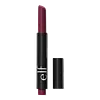 Key Ingredients
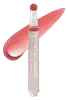
Benefits
Concerns
Ingredients Side-by-side
Bis-Behenyl/Isostearyl/Phytosteryl Dimer Dilinoleyl Dimer Dilinoleate
EmollientDiisostearyl Malate
EmollientHydrogenated Polyisobutene
EmollientBis-Diglyceryl Polyacyladipate-2
Emollient


Synthetic Wax
Abrasive

Polyglyceryl-2 Triisostearate
Emulsifying
Menthone Glycerin Acetal
Refreshing
Silica Dimethyl Silylate
EmollientPassiflora Edulis Seed Oil
Emollient
Microcrystalline Wax
Emulsion StabilisingPunica Granatum Fruit Extract
Antioxidant


Citrullus Lanatus Fruit Extract
Skin Conditioning
Vaccinium Angustifolium Fruit Extract
Skin Protecting
Sodium Hyaluronate
Humectant



Ricinus Communis Seed Oil
Masking
Parfum
Masking


Tocopherol
Antioxidant

Hydrogenated Castor Oil
Emollient
Helianthus Annuus Seed Oil
Emollient
Water
Skin ConditioningButylene Glycol
Humectant
Ethylhexylglycerin
Skin ConditioningPhenoxyethanol
Preservative
CI 77891
Cosmetic ColorantCI 45410
Cosmetic ColorantCI 15850
Cosmetic ColorantCI 19140
Cosmetic ColorantCI 42090
Cosmetic ColorantCI 77499
Cosmetic ColorantBis-Behenyl/Isostearyl/Phytosteryl Dimer Dilinoleyl Dimer Dilinoleate, Diisostearyl Malate, Hydrogenated Polyisobutene, Bis-Diglyceryl Polyacyladipate-2, Synthetic Wax, Polyglyceryl-2 Triisostearate, Menthone Glycerin Acetal, Silica Dimethyl Silylate, Passiflora Edulis Seed Oil, Microcrystalline Wax, Punica Granatum Fruit Extract, Citrullus Lanatus Fruit Extract, Vaccinium Angustifolium Fruit Extract, Sodium Hyaluronate, Ricinus Communis Seed Oil, Parfum, Tocopherol, Hydrogenated Castor Oil, Helianthus Annuus Seed Oil, Water, Butylene Glycol, Ethylhexylglycerin, Phenoxyethanol, CI 77891, CI 45410, CI 15850, CI 19140, CI 42090, CI 77499
Hydrogenated Polyisobutene
EmollientDiisostearyl Dimer Dilinoleate
EmollientPhytosteryl/Octyldodecyl Lauroyl Glutamate
Skin ConditioningEthylene/Propylene/Styrene Copolymer
Menthone Glycerin Acetal
Refreshing
Prunus Armeniaca Kernel Oil
Masking
Helianthus Annuus Seed Oil
Emollient
Carica Papaya Seed Oil
Humectant
Citrullus Lanatus Seed Oil
Emollient
Cocos Nucifera Oil
Masking
Linum Usitatissimum Seed Oil
Perfuming
Prunus Domestica Seed Oil
Skin Conditioning
Ribes Nigrum Seed Oil
Emollient
Rosa Canina Fruit Oil
Emollient
Rubus Fruticosus Seed
Skin ConditioningVitis Vinifera Seed Oil
Emollient
Passiflora Edulis Seed Oil
Emollient
Salvia Hispanica Seed Oil
Emollient
Ricinus Communis Seed Oil
Masking
Sodium Hyaluronate
Humectant
Hydrogenated Castor Oil
Emollient
Citrullus Lanatus Fruit Extract
Skin Conditioning
Citrus Limon Fruit Extract
Masking
Fragaria Vesca Fruit Extract
AstringentPrunus Persica Fruit Extract
Abrasive
Tocopheryl Acetate
Antioxidant
Vaccinium Angustifolium Fruit Extract
Skin Protecting
Vaccinium Macrocarpon Fruit Extract
AstringentGlyceryl Caprylate
EmollientEthyl Vanillin
MaskingButylene/Ethylene/Styrene Copolymer
Glyceryl Behenate/Eicosadioate
Emollient
Pentaerythrityl Tetra-Di-T-Butyl Hydroxyhydrocinnamate
Antioxidant
Tocopherol
Antioxidant
CI 77891
Cosmetic ColorantCI 15850
Cosmetic ColorantIron Oxides
CI 19140
Cosmetic ColorantCI 42090
Cosmetic ColorantCI 45410
Cosmetic ColorantCI 17200
Cosmetic ColorantHydrogenated Polyisobutene, Diisostearyl Dimer Dilinoleate, Phytosteryl/Octyldodecyl Lauroyl Glutamate, Ethylene/Propylene/Styrene Copolymer, Menthone Glycerin Acetal, Prunus Armeniaca Kernel Oil, Helianthus Annuus Seed Oil, Carica Papaya Seed Oil, Citrullus Lanatus Seed Oil, Cocos Nucifera Oil, Linum Usitatissimum Seed Oil, Prunus Domestica Seed Oil, Ribes Nigrum Seed Oil, Rosa Canina Fruit Oil, Rubus Fruticosus Seed, Vitis Vinifera Seed Oil, Passiflora Edulis Seed Oil, Salvia Hispanica Seed Oil, Ricinus Communis Seed Oil, Sodium Hyaluronate, Hydrogenated Castor Oil, Citrullus Lanatus Fruit Extract, Citrus Limon Fruit Extract, Fragaria Vesca Fruit Extract, Prunus Persica Fruit Extract, Tocopheryl Acetate, Vaccinium Angustifolium Fruit Extract, Vaccinium Macrocarpon Fruit Extract, Glyceryl Caprylate, Ethyl Vanillin, Butylene/Ethylene/Styrene Copolymer, Glyceryl Behenate/Eicosadioate, Pentaerythrityl Tetra-Di-T-Butyl Hydroxyhydrocinnamate, Tocopherol, CI 77891, CI 15850, Iron Oxides, CI 19140, CI 42090, CI 45410, CI 17200
Reviews
Ingredients Explained
These ingredients are found in both products.
Ingredients higher up in an ingredient list are typically present in a larger amount.
Ci 15850 is the pigment color red. It is an azo dye and created synthetically.
Azo dyes need to be thoroughly purified before use. This allows them to be more stable and longer-lasting.
This ingredient is common in foundations, lipsticks, and blushes. This color is described as brown/orangey red.
It has many secondary names such as Red 6 and Red 7. According to a manufacturer, Red 6 usually contains aluminum.
Learn more about CI 15850CI 19140 is also known as Tartrazine. Tartrazine is a synthetic dye used in cosmetics, foods, and medicine to add a yellow color.
Tartrazine is created from petroleum and is water-soluble.
Some people may experience allergies from this dye, especially asthmatics and those with an aspirin intolerance.
Learn more about CI 19140Ci 42090 is a synthetic dye created from petroleum. It is used to give a bright blue color to cosmetics, medicine, and food.
CI 45410 is a synthetic red-pigment and dye.
It often goes by both Red 28 or Red 27; manufacturers label both ingredients as CI 45410.
This dye is commonly found in makeup because it imparts a vivid color. Some types of this dye change color based on pH level and interaction with moisture:
Your skin has a natural pH of around 4.5 - 5.5.
According to the FDA, CI 45410 is not permitted for use in eye products.
Red 27 is a flourescein dye and commonly used as a fluorescent tracer in medicine.
Learn more about CI 45410Ci 77891 is a white pigment from Titanium dioxide. It is naturally found in minerals such as rutile and ilmenite.
It's main function is to add a white color to cosmetics. It can also be mixed with other colors to create different shades.
Ci 77891 is commonly found in sunscreens due to its ability to block UV rays.
Learn more about CI 77891Citrullus Lanatus Fruit Extract comes from the watermelon. Watermelon has antioxidant and anti-inflammatory properties.
Watermelons are rich in antioxidants such as Vitamin A, Vitamin C and lycopene. It also contains sugars and amino acids, such as arginine and glutathione.
Lycopene is a potent antioxidant. Besides helping to protect your skin against free-radical molecules, it also helps soothe the skin. Lycopene gives watermelon the distinct red color.
Learn more about Citrullus Lanatus Fruit ExtractHelianthus Annuus Seed Oil is a plant oil derived from the seeds of a sunflower.
It is rich in fatty acids, primarily linoleic acid and oleic acid. This gives it emollient and skin conditioning properties.
The reason this ingredient is so effective is because it forms a thin film on the skin that reduces transepidermal water loss (TEWL) while supplying linoleic acid to the stratum corneum to improve barrier strength.
The high linoleic acid content is particularly noteworthy for acne-prone skin.
Research suggests that acne-prone skin tends to be deficient in linoleic acid in sebum. Topical application may help replenish this to support a healthier follicular environment and less comedone-promoting sebum.
One randomized study found sunflower seed oil preserved skin barrier integrity in adult volunteers with and without atopic dermatitis (outperforming olive oil).
This ingredient is well-studied, gentle, and an effective emollient suitable for most skin types.
On fungal acne: This ingredient may not be Fungal acne (Malassezia folliculitis) safe. This is because it contains fatty acids with carbon chain lengths in the C11-C24 range.
Learn more about Helianthus Annuus Seed OilHydrogenated Castor Oil (aka "castor wax") is what you get when castor oil is turned into a wax.
Its dominant fatty acid is ricinoleic acid, giving it both emollient and mild humectant properties.
According to EU CosIng, this ingredient helps soften skin, keep oil and water stay mixed, and thickens products.
Hydrogenated castor oil at 30% did not trigger a positive patch-test reaction and is well-tolerated.
Since this ingredient is based on an 18-carbon fatty acid, it falls into the chain-length range that Malassezia can feed on and may not be fungal acne safe.
Learn more about Hydrogenated Castor OilHydrogenated Polyisobutene is a synthetic polymer. Polymers are compounds with high molecular weight. Hydrogenated Polyisobutene is an emollient and texture enhancer.
In one study, Hydrogenated Polyisobutene showed better skin hydration levels than Caprylic/Capric Triglyceride. As an emollient, it helps keep your skin soft and hydrated by trapping moisture in.
Hydrogenated Polyisobutene is often used as a mineral oil replacement.
Learn more about Hydrogenated PolyisobuteneMenthone Glycerin Acetal can worsen rosacea.
Passiflora Edulis Seed Oil is a lightweight plant oil from the seeds of passion fruit.
This oil supports skin hydration because it is packed with linoleic acid (56-73%), oleic acid (14-20%), palmitic acid, and stearic acids. It also contains vitamin E and other antioxidants, like carotenoids.
In vitro research has shown that passion fruit seed extracts can inhibit the enzymes that break down collagen and elastin in the skin.
While this ingredient is considered well-tolerated, some cases of contact dermatitis have been reported with the Passiflora plant's vines and leaves itself. As with any ingredient, a patch test is a great idea if you are unsure.
This may not be suitable for fungal acne-prone skin due to the fatty acid content.
Learn more about Passiflora Edulis Seed OilThis ingredient is also known as castor oil. It is a skin conditioning ingredient.
The star component of castor oil is ricinoleic acid, an unusual fatty acid that makes up ~80-92% of its composition.
In skincare, it is an emollient that dries down to a solid film with water-binding properties. This helps keep skin hydrated and helps reduce transepidermal water loss (TEWL).
A 2026 dermatology review pulls together its broader uses:
Human clinical testing found this ingredient to be non-irritating and non-sensitizing.
Because castor oil contains fatty acids in the C11-24 range, this ingredient may not be fungal acne safe.
At this time, the literature does not support castor oil in regrowing hair. A 2022 systematic review found no strong evidence that it supports hair growth and only weak evidence that it improves hair shine.
Castor oil itself carries "perfuming" and "masking" function tags according to the official CosIng database. This is because of its mild odor and odor-dampening properties.
Learn more about Ricinus Communis Seed OilSodium Hyaluronate is the salt form of hyaluronic acid. It is a long sugar chain that is naturally found in your skin, joints, and connective tissue that maintains hydration and elasticity.
In skincare, it works as a humectant. It pulls water from the environment and deeper layers of skin and binds it to the surface.
Interestingly, the size of the molecule affects its behavior:
Some clinical evidence links low molecular weight versions to improved wrinkle depth, elasticity, anti-inflammatory effects, and barrier repair.
Many serums use a blend of both weights so you can get surface hydration plus longer-lasting and deeper effects.
You'll typically see concentrations between 0.1-2% for this ingredient.
Learn more about Sodium HyaluronateTocopherol is a fat-soluble antioxidant known as Vitamin E.
You'll find this ingredient in the vast majority of skincare (for good reason). It works to neutralize free radicals, or unstable molecules generated by UV exposure, pollution, and other environmental stressors, before they can cause oxidative damage to your skin cells.
Topically applied tocopherol has been shown to protect against UV damage by ramping up the skin's own natural defense enzymes.
It also acts as a skin conditioning agent; some studies show that regular topical use can improve the skin's water-binding capacity over 2-4 weeks.
This ingredient is especially loved for being a team player. When combined with Vitamin C, the photoprotective effect of both ingredients roughly doubles and the combo also helps reduce UV-induced DNA damage.
This ingredient has some brightening potential but it's more of a prevention ingredient than spot-fader. Cell studies show it can slow down melanin production but it's worth noting that it's not the most powerful brightener out there.
In formulations, it also serves as a stabilizer that helps protect other oxidation-prone ingredients from degrading.
Concentrations usually range from 0.1-1% in most leave-on products.
Learn more about TocopherolThis extract comes from the blueberry native to North America. It has great antioxidant and skin soothing properties.
The antioxidant properties from blueberries come from its polyphenolic and vitamin C content. Polyphenols are a compound famous for their antioxidant properties and are commonly found in fruits.
A 2023 study found blueberries to protect skin from UV-B related inflammation. However, this ingredient should not replace your sunscreen.
Learn more about Vaccinium Angustifolium Fruit Extract

