
What's inside
What's inside
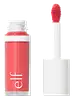 Key Ingredients
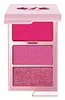
Benefits
Concerns
Ingredients Side-by-side
Hydrogenated Polyisobutene
EmollientHydrogenated Poly(C6-14 Olefin)
EmollientOctyldodecanol
Emollient
Trimethylolpropane Triisostearate
Emollient

Illite
Abrasive
Boron Nitride
Absorbent
Hydrogenated Styrene/Methylstyrene/Indene Copolymer
Trimethylsiloxysilicate
Emollient
C9-12 Alkane
SolventAlumina
Abrasive
Disteardimonium Hectorite
StabilisingPhenyl Trimethicone
Skin Conditioning
Ethylene/Propylene/Styrene Copolymer
Sorbitan Sesquioleate
Emulsifying
Propylene Carbonate
SolventTriethoxycaprylylsilane
Ethylhexylglycerin
Skin ConditioningAluminum Hydroxide
EmollientTin Oxide
Abrasive
Butylene/Ethylene/Styrene Copolymer
Pentaerythrityl Tetra-Di-T-Butyl Hydroxyhydrocinnamate
Antioxidant
Tocopherol
Antioxidant






Rosa Damascena Flower Water
Masking
Water
Skin ConditioningRicinus Communis Seed Oil
Masking

Sodium Hyaluronate
Humectant
Hydrogenated Castor Oil
Emollient
Hibiscus Mutabilis Flower Extract
Skin ConditioningPhenoxyethanol
Preservative
CI 77891
Cosmetic ColorantCI 45410
Cosmetic ColorantCI 15985
Cosmetic ColorantCI 19140
Cosmetic ColorantCI 77491
Cosmetic ColorantCI 15850
Cosmetic ColorantHydrogenated Polyisobutene, Hydrogenated Poly(C6-14 Olefin), Octyldodecanol, Trimethylolpropane Triisostearate, Illite, Boron Nitride, Hydrogenated Styrene/Methylstyrene/Indene Copolymer, Trimethylsiloxysilicate, C9-12 Alkane, Alumina, Disteardimonium Hectorite, Phenyl Trimethicone, Ethylene/Propylene/Styrene Copolymer, Sorbitan Sesquioleate, Propylene Carbonate, Triethoxycaprylylsilane, Ethylhexylglycerin, Aluminum Hydroxide, Tin Oxide, Butylene/Ethylene/Styrene Copolymer, Pentaerythrityl Tetra-Di-T-Butyl Hydroxyhydrocinnamate, Tocopherol, Rosa Damascena Flower Water, Water, Ricinus Communis Seed Oil, Sodium Hyaluronate, Hydrogenated Castor Oil, Hibiscus Mutabilis Flower Extract, Phenoxyethanol, CI 77891, CI 45410, CI 15985, CI 19140, CI 77491, CI 15850
Dimethicone
Emollient
Dicaprylyl Carbonate
EmollientCaprylic/Capric Triglyceride
Masking
Silica
Abrasive
Dimethicone Crosspolymer
Emulsion Stabilising
Synthetic Wax
Abrasive
Synthetic Beeswax
Emulsion Stabilising
Polyhydroxystearic Acid
Emulsifying
Hdi/Trimethylol Hexyllactone Crosspolymer
Methyl Methacrylate Crosspolymer
Mica
Cosmetic ColorantGlyceryl Caprylate
EmollientTocopheryl Acetate
Antioxidant
Glyceryl Undecylenate
Emollient
Simethicone
Emollient
Jasminum Grandiflorum Flower Wax
Masking
Limnanthes Alba Seed Oil
Skin Conditioning
Silica Silylate
Emollient
CI 77891
Cosmetic ColorantCI 77492
Cosmetic ColorantCI 45410
Cosmetic ColorantCI 15850
Cosmetic ColorantTalc
Abrasive
Zinc Stearate
Cosmetic ColorantSodium Dehydroacetate
Preservative
Sorbic Acid
Preservative
Ethylhexyl Hydroxystearate
Emollient
Magnesium Carbonate
AbsorbentOryza Sativa Hull Powder
Abrasive
Propylene Glycol
Humectant
Hylocereus Undatus Fruit Extract
Skin ConditioningPhenoxyethanol
Preservative
CI 42090
Cosmetic ColorantCI 19140
Cosmetic ColorantCalcium Aluminum Borosilicate
Tin Oxide
Abrasive
CI 77491
Cosmetic ColorantDimethicone, Dicaprylyl Carbonate, Caprylic/Capric Triglyceride, Silica, Dimethicone Crosspolymer, Synthetic Wax, Synthetic Beeswax, Polyhydroxystearic Acid, Hdi/Trimethylol Hexyllactone Crosspolymer, Methyl Methacrylate Crosspolymer, Mica, Glyceryl Caprylate, Tocopheryl Acetate, Glyceryl Undecylenate, Simethicone, Jasminum Grandiflorum Flower Wax, Limnanthes Alba Seed Oil, Silica Silylate, CI 77891, CI 77492, CI 45410, CI 15850, Talc, Zinc Stearate, Sodium Dehydroacetate, Sorbic Acid, Ethylhexyl Hydroxystearate, Magnesium Carbonate, Oryza Sativa Hull Powder, Propylene Glycol, Hylocereus Undatus Fruit Extract, Phenoxyethanol, CI 42090, CI 19140, Calcium Aluminum Borosilicate, Tin Oxide, CI 77491
Reviews
Ingredients Explained
These ingredients are found in both products.
Ingredients higher up in an ingredient list are typically present in a larger amount.
Ci 15850 is the pigment color red. It is an azo dye and created synthetically.
Azo dyes need to be thoroughly purified before use. This allows them to be more stable and longer-lasting.
This ingredient is common in foundations, lipsticks, and blushes. This color is described as brown/orangey red.
It has many secondary names such as Red 6 and Red 7. According to a manufacturer, Red 6 usually contains aluminum.
Learn more about CI 15850CI 19140 is also known as Tartrazine. Tartrazine is a synthetic dye used in cosmetics, foods, and medicine to add a yellow color.
Tartrazine is created from petroleum and is water-soluble.
Some people may experience allergies from this dye, especially asthmatics and those with an aspirin intolerance.
Learn more about CI 19140CI 45410 is a synthetic red-pigment and dye.
It often goes by both Red 28 or Red 27; manufacturers label both ingredients as CI 45410.
This dye is commonly found in makeup because it imparts a vivid color. Some types of this dye change color based on pH level and interaction with moisture:
Your skin has a natural pH of around 4.5 - 5.5.
According to the FDA, CI 45410 is not permitted for use in eye products.
Red 27 is a flourescein dye and commonly used as a fluorescent tracer in medicine.
Learn more about CI 45410Ci 77491 is also hydrated iron III oxide. It's sole purpose is to give a red/pink hue to products.
Iron III oxides are classified as inorganic chemicals for coloring.
Synthetically created Ci 77491 is considered safer than those naturally found. This is because the synthetically created version may contain less impurities. Iron oxides are generally non-toxic and non-allergenic.
Learn more about CI 77491Ci 77891 is a white pigment from Titanium dioxide. It is naturally found in minerals such as rutile and ilmenite.
It's main function is to add a white color to cosmetics. It can also be mixed with other colors to create different shades.
Ci 77891 is commonly found in sunscreens due to its ability to block UV rays.
Learn more about CI 77891Phenoxyethanol is one of the most widely used preservatives in skincare (and for good reason!).
It has a large spectrum of antimicrobial activity and especially effective bacteria, yeast, and mold while only having a weak effect on your skin's natural microbiome.
On a cellular level, it disrupts the cell membranes of microbes by poking holes that make the cell leak. This shuts down the chemical reactions the microbe needs to make energy so it can no longer survive.
Another perk of this ingredient is that it stays functional across a wide pH range (3-10).
You'll often see it paired with boosters like Ethylhexylglycerin; one study showed that a 1:9 ratio of Ethylhexylglycerin to Phenoxyethanol damages bacterial membranes as effectively as doubling the Phenoxyethanol concentration on its own.
Typical use concentrations range from 0.3-1% depending on the formula, and this ingredient is capped at 1% int the EU.
Safety-wise, the fear mongering does not hold up to the evidence. The EU's Scientific Committee on Consumer Safety and FDA consider it safe as a preservative at up to 1%, including for children of all ages.
Adverse systemic effects only showed up in animal studies at exposures roughly 200x higher than what people get from cosmetics. And despite its very widespread use, this ingredient is a rare sensitizer and allergic reactions are uncommon.
Learn more about PhenoxyethanolTin Oxide is an inorganic oxide used to add opacity and volume to a product. In nature, it is already found in mineral form. The main ore of tin is an opaque and shiny mineral called casseterite.
Tin Oxide helps remove translucency in a product, or make it more opaque. Besides adding opacity, tin oxide is used for bulking to add volume.


