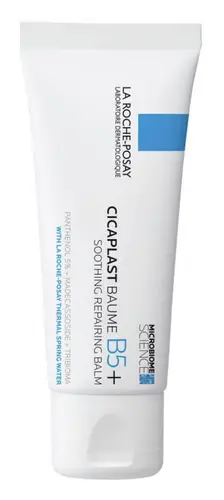
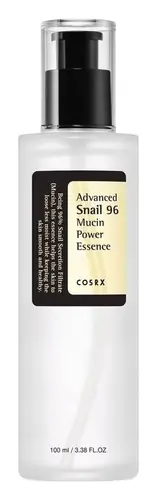
This barrier-repair moisturizer is formulated around Butyrospermum Parkii Butter and Glycyrrhetinic Acid to strengthen the skin barrier and calm redness.
This chemical sunscreen covers the full UV range and blocks ~98% of UVB at SPF 50.

What's inside
What's inside
 Key Ingredients
No key ingredients
Benefits
Concerns
Ingredients Side-by-side
Water
Skin ConditioningGlycerin
Humectant


Caprylic/Capric Triglyceride
Masking
Butylene Glycol
Humectant
Polysorbate 60
Emulsifying

Butyrospermum Parkii Butter
Skin Conditioning


Propylene Glycol
Humectant
Beeswax
Emulsion Stabilising
Glyceryl Stearate
Emollient
PEG-100 Stearate
Surfactant
10-Hydroxydecenoic Acid
Skin ConditioningCaprylyl Glycol
Emollient
Cetyl Alcohol
Emollient
Citric Acid
Buffering

Disodium EDTA
Glycyrrhetinic Acid
Skin Conditioning
Guanidine Carbonate
BufferingPolyacrylate-13
Polyisobutene
Polysorbate 20
Emulsifying
Sclerotium Gum
Emulsion StabilisingSorbitan Isostearate
Emulsifying
Water, Glycerin, Caprylic/Capric Triglyceride, Butylene Glycol, Polysorbate 60, Butyrospermum Parkii Butter, Propylene Glycol, Beeswax, Glyceryl Stearate, PEG-100 Stearate, 10-Hydroxydecenoic Acid, Caprylyl Glycol, Cetyl Alcohol, Citric Acid, Disodium EDTA, Glycyrrhetinic Acid, Guanidine Carbonate, Polyacrylate-13, Polyisobutene, Polysorbate 20, Sclerotium Gum, Sorbitan Isostearate
Water
Skin ConditioningHomosalate
Skin Conditioning

Panthenol
Skin Conditioning
Ethylhexyl Salicylate
UV Absorber
Butyl Methoxydibenzoylmethane
UV Absorber
Octocrylene
UV Absorber
Alcohol Denat.
Antimicrobial

Bis-Ethylhexyloxyphenol Methoxyphenyl Triazine
Skin Conditioning
Styrene/Acrylates Copolymer
Ethylhexyl Triazone
UV Absorber
Triethanolamine
BufferingDimethicone
Emollient
Phenylbenzimidazole Sulfonic Acid
UV Absorber
PEG-8 Laurate
Emulsifying
Sorbitan Oleate
Emulsifying
Zinc Gluconate
Skin Conditioning



Madecassoside
Antioxidant


Manganese Gluconate
Skin ConditioningIsohexadecane
EmollientSodium Acrylates Crosspolymer-2
AbsorbentSilica
Abrasive
2-Oleamido-1,3-Octadecanediol
Skin ConditioningPerlite
Absorbent
Drometrizole Trisiloxane
UV Absorber
Poloxamer 338
EmulsifyingDisodium EDTA
Copper Gluconate
Skin Conditioning
Caprylyl Glycol
Emollient
Polysorbate 80
Emulsifying
Acrylamide/Sodium Acryloyldimethyltaurate Copolymer
Emulsion StabilisingAcrylates/C10-30 Alkyl Acrylate Crosspolymer
Emulsion StabilisingBHT
Antioxidant
Tocopherol
Antioxidant

Phenoxyethanol
Preservative
Water, Homosalate, Panthenol, Ethylhexyl Salicylate, Butyl Methoxydibenzoylmethane, Octocrylene, Alcohol Denat., Bis-Ethylhexyloxyphenol Methoxyphenyl Triazine, Styrene/Acrylates Copolymer, Ethylhexyl Triazone, Triethanolamine, Dimethicone, Phenylbenzimidazole Sulfonic Acid, PEG-8 Laurate, Sorbitan Oleate, Zinc Gluconate, Madecassoside, Manganese Gluconate, Isohexadecane, Sodium Acrylates Crosspolymer-2, Silica, 2-Oleamido-1,3-Octadecanediol, Perlite, Drometrizole Trisiloxane, Poloxamer 338, Disodium EDTA, Copper Gluconate, Caprylyl Glycol, Polysorbate 80, Acrylamide/Sodium Acryloyldimethyltaurate Copolymer, Acrylates/C10-30 Alkyl Acrylate Crosspolymer, BHT, Tocopherol, Phenoxyethanol
Reviews
Ingredients Explained
These ingredients are found in both products.
Ingredients higher up in an ingredient list are typically present in a larger amount.
Caprylyl Glycol is a humectant, skin conditioner, emollient, and preservative booster derived from either caprylic acid or synthetically created.
Typical use levels vary from 0.3-1% as a preservative booster and go up to 2% to condition skin.
Because it is not a free-fatty acid, this ingredient is fungal acne safe (there's nothing for Malassezia to feed on).
Learn more about Caprylyl GlycolDisodium EDTA is a chelating agent. It grabs onto and deactivates metal ions that sneak into your products from water, packaging, or air.
This ingredient mainly works behind the scenes and helps with:
On top of that, this ingredient can counteract the effects of hard water by binding to the minerals in it.
One thing worth knowing is that Disodium EDTA has been shown to be a mild penetration enhancer. It can help other ingredients absorb into skin more effectively which can be a double-edged sword (great for actives, but can also make the active too strong if you have sensitive skin).
Clinical patch testing showed no significant skin irritation at typical use concentrations and minimal dermal absorption.
You'll most likely see this ingredient near the end of an ingredient list. It's typically found in concentrations less than 1%.
Learn more about Disodium EDTAWater. It's the most common cosmetic ingredient of all. You'll usually see it at the top of ingredient lists, meaning that it makes up the largest part of the product.
So why is it so popular? Water most often acts as a solvent - this means that it helps dissolve other ingredients into the formulation.
You'll also recognize water as that liquid we all need to stay alive. If you see this, drink a glass of water. Remember to stay hydrated!
Learn more about Water