
What's inside
What's inside
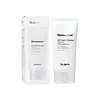 Key Ingredients
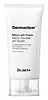
No key ingredients
Benefits
Concerns
Ingredients Side-by-side
Water
Skin ConditioningGlycerin
Humectant


Lauric Acid
Cleansing




Myristic Acid
Cleansing
Potassium Hydroxide
BufferingStearic Acid
Cleansing
Glycol Distearate
Emollient
Palmitic Acid
Emollient
Glyceryl Stearate Se
Emulsifying
Citrus Aurantium Bergamia Fruit Oil
Masking



Pelargonium Graveolens Flower Oil
Masking
Citrus Limon Peel Oil
Masking
Olea Europaea Fruit Oil
Masking
Pinus Sylvestris Leaf Oil
Masking
Citrus Aurantium Dulcis Oil
Masking
Citrus Grandis Peel Oil
Masking
Salvia Sclarea Oil
Masking
Aniba Rosodora Wood Oil
Astringent
Lavandula Angustifolia Oil
Masking
Cedrus Atlantica Bark Oil
Masking
Theanine
EmollientMilk Lipids
Skin Conditioning
Jasminum Officinale Oil
Masking
Maris Sal
Skin ConditioningMyrtus Communis Oil
Masking
Rose Flower Oil
Masking
Artemisia Absinthium Extract
Skin ConditioningVanilla Planifolia Fruit Extract
Skin Conditioning
Salvia Officinalis Oil
Masking
Pogostemon Cablin Leaf Oil
Masking
Eucalyptus Globulus Leaf Oil
Perfuming
Ferula Galbaniflua Resin Oil
Antimicrobial
Polyquaternium-7
Acrylates/C10-30 Alkyl Acrylate Crosspolymer
Emulsion Stabilising1,2-Hexanediol
Skin Conditioning
Glutathione



Copaifera Officinalis Resin
MaskingLimonene
Perfuming
Citronellol
Perfuming
Linalool
Perfuming
Geraniol
Perfuming
Disodium EDTA
ChelatingSodium Benzoate
Masking
Water, Glycerin, Lauric Acid, Myristic Acid, Potassium Hydroxide, Stearic Acid, Glycol Distearate, Palmitic Acid, Glyceryl Stearate Se, Citrus Aurantium Bergamia Fruit Oil, Pelargonium Graveolens Flower Oil, Citrus Limon Peel Oil, Olea Europaea Fruit Oil, Pinus Sylvestris Leaf Oil, Citrus Aurantium Dulcis Oil, Citrus Grandis Peel Oil, Salvia Sclarea Oil, Aniba Rosodora Wood Oil, Lavandula Angustifolia Oil, Cedrus Atlantica Bark Oil, Theanine, Milk Lipids, Jasminum Officinale Oil, Maris Sal, Myrtus Communis Oil, Rose Flower Oil, Artemisia Absinthium Extract, Vanilla Planifolia Fruit Extract, Salvia Officinalis Oil, Pogostemon Cablin Leaf Oil, Eucalyptus Globulus Leaf Oil, Ferula Galbaniflua Resin Oil, Polyquaternium-7, Acrylates/C10-30 Alkyl Acrylate Crosspolymer, 1,2-Hexanediol, Glutathione, Copaifera Officinalis Resin, Limonene, Citronellol, Linalool, Geraniol, Disodium EDTA, Sodium Benzoate
Water
Skin ConditioningGlycerin
Humectant
Lauric Acid
Cleansing
Myristic Acid
Cleansing
Potassium Hydroxide
BufferingStearic Acid
Cleansing
Glycol Distearate
Emollient
Palmitic Acid
Emollient
Glyceryl Stearate Se
Emulsifying
Citrus Aurantium Bergamia Fruit Oil
Masking
Pelargonium Graveolens Flower Oil
Masking
Citrus Limon Peel Oil
Masking
Olea Europaea Fruit Oil
Masking
Quillaja Saponaria Bark Extract
CleansingSalvia Officinalis Oil
Masking
Pogostemon Cablin Leaf Oil
Masking
Pinus Sylvestris Leaf Oil
Masking
Citrus Aurantium Dulcis Oil
Masking
Citrus Grandis Peel Oil
Masking
Salvia Sclarea Oil
Masking
Aniba Rosodora Wood Oil
Astringent
Lavandula Angustifolia Oil
Masking
Cedrus Atlantica Bark Oil
Masking
Eucalyptus Globulus Leaf Oil
Perfuming
Milk Lipids
Skin Conditioning
Jasminum Officinale Oil
Masking
Sea Salt
Abrasive
Artemisia Absinthium Extract
Skin ConditioningMyrtus Communis Oil
Masking
Rosa Damascena Flower Oil
Masking
Vanilla Planifolia Fruit Extract
Skin Conditioning
Ferula Galbaniflua Resin Oil
Antimicrobial
Coco-Glucoside
Cleansing
Polyquaternium-7
Acrylates/C10-30 Alkyl Acrylate Crosspolymer
Emulsion StabilisingSodium Cocoyl Isethionate
Cleansing
1,2-Hexanediol
Skin Conditioning
Citric Acid
Buffering
Theanine
EmollientGlutathione
Copaifera Officinalis Resin
MaskingDisodium EDTA
ChelatingSodium Benzoate
Masking
Water, Glycerin, Lauric Acid, Myristic Acid, Potassium Hydroxide, Stearic Acid, Glycol Distearate, Palmitic Acid, Glyceryl Stearate Se, Citrus Aurantium Bergamia Fruit Oil, Pelargonium Graveolens Flower Oil, Citrus Limon Peel Oil, Olea Europaea Fruit Oil, Quillaja Saponaria Bark Extract, Salvia Officinalis Oil, Pogostemon Cablin Leaf Oil, Pinus Sylvestris Leaf Oil, Citrus Aurantium Dulcis Oil, Citrus Grandis Peel Oil, Salvia Sclarea Oil, Aniba Rosodora Wood Oil, Lavandula Angustifolia Oil, Cedrus Atlantica Bark Oil, Eucalyptus Globulus Leaf Oil, Milk Lipids, Jasminum Officinale Oil, Sea Salt, Artemisia Absinthium Extract, Myrtus Communis Oil, Rosa Damascena Flower Oil, Vanilla Planifolia Fruit Extract, Ferula Galbaniflua Resin Oil, Coco-Glucoside, Polyquaternium-7, Acrylates/C10-30 Alkyl Acrylate Crosspolymer, Sodium Cocoyl Isethionate, 1,2-Hexanediol, Citric Acid, Theanine, Glutathione, Copaifera Officinalis Resin, Disodium EDTA, Sodium Benzoate
Reviews
Ingredients Explained
These ingredients are found in both products.
Ingredients higher up in an ingredient list are typically present in a larger amount.
1,2-Hexanediol is a synthetic liquid and another multi-functional powerhouse.
It is a:
- Humectant, drawing moisture into the skin
- Emollient, helping to soften skin
- Solvent, dispersing and stabilizing formulas
- Preservative booster, enhancing the antimicrobial activity of other preservatives
Acrylates/C10-30 Alkyl Acrylate Crosspolymer is a synthetic polymer. It is used to thicken, emulsify, and improve the texture of products.
As an emulsifier, it helps stabilize oil-in-water emulsions to give products an elegant feel when applied.
It can also form a thin protective film on skin. One study found that a formula using this polymer helped slow down how quickly other ingredients (like DEET) were absorbed through skin.
A 2024 study of over 1,300 patients confirmed that sensitization to this ingredient is rare. It is also non-mutagenic and has a clean track record.
Learn more about Acrylates/C10-30 Alkyl Acrylate CrosspolymerAniba Rosodora Wood Oil is an oil.
We don't have a description for Artemisia Absinthium Extract yet.
This ingredient comes from the bark of the Cedarwood tree.
Though this oil exhibits antibacterial and antioxidant activity, it is also contains skin-irritating fragrances such as limonene.
In 2023, it was listed as an EU known-allergen.
Learn more about Cedrus Atlantica Bark OilCitrus Aurantium Bergamia Fruit Oil is the oil from the bergamot orange and is primarily used as a fragrance. It has a "fresh" and "bright orange" scent.
The main aroma compounds found in this ingredient are limonene (~27-52%), linalool (~2-22%), and linalyl acetate (~27-40%). These are known EU fragrance allergens.
The term 'fragrance' is not regulated in many countries. In many cases, it is up to the brand to define this term. For instance, many brands choose to label themselves as "fragrance-free" because they are not using synthetic fragrances. However, their products may still contain ingredients such as essential oils that are considered a fragrance.
When used topically, Citrus Aurantium Bergamia Fruit Oil is a photosensitizer due to the furanocoumarin content. Furanocoumarins absorb UV-A and cause phytophotodermatitis; this can look like redness, blistering, and lasting brown pigmentation on sun-exposed skin.
Due to this, this ingredient is capped at 0.4% in leave-on products applied to sun exposed skin.
Many modern formulas used a "furanocoumarin-free" version that sidesteps the phototoxicity issue, but still contains the fragrance allergens.
Learn more about Citrus Aurantium Bergamia Fruit OilCitrus Aurantium Dulcis Oil comes from the bitter orange, an orange native to Southeast Asia.
This orange is commonly used in cosmetics and food. It is a common ingredient for marmalade.
Citrus peels are often made up of mainly limonene, a fragrance with a citrus scent. They also contain flavonoids, which have anti-inflammatory properties.
Learn more about Citrus Aurantium Dulcis OilCitrus Grandis Peel Oil is an essential oil that is derived from the peel of a Grapefruit. It is composed largely of limonene, which is a fragrance that can cause irritation for sensitive skin.
Citrus Limon Peel Oil is created from the peels of the lemon. It is used to add a lemon-scent to products. Lemon peel oil also has antibacterial, antifungal, and antioxidant properties. However, it may also cause phototoxicity and sensitize skin.
Lemon peel oil contains limonene, a skin sensitizing ingredient. Another component is furanocoumarin, which induces phototoxicity in skin.
Furanocoumarins bind and destabilize your DNA to increase the rate of sunburn.
Most reputable companies will remove furanocoumarins from their formulations.
Learn more about Citrus Limon Peel OilWe don't have a description for Copaifera Officinalis Resin yet.
Disodium EDTA is a chelating agent. It grabs onto and deactivates metal ions that sneak into your products from water, packaging, or air.
This ingredient mainly works behind the scenes and helps with:
On top of that, this ingredient can counteract the effects of hard water by binding to the minerals in it.
One thing worth knowing is that Disodium EDTA has been shown to be a mild penetration enhancer. It can help other ingredients absorb into skin more effectively which can be a double-edged sword (great for actives, but can also make the active too strong if you have sensitive skin).
Clinical patch testing showed no significant skin irritation at typical use concentrations and minimal dermal absorption.
You'll most likely see this ingredient near the end of an ingredient list. It's typically found in concentrations less than 1%.
Learn more about Disodium EDTAThis oil is derived from the leaves of Eucalyptus Globulus, a type of Eucalyptus tree native to Australia.
Though this oil shows antibacterial and antioxidant activity, it is also a known skin-irritant due to its fragrance components.
Ferula Galbaniflua Resin Oil is a fragrance and is an oil.
Glutathione is a tiny protein-like molecule (a "tripeptide" build from 3 amino acids: glycine, cysteine, and glutamic acid) that your body already makes on its own.
Inside your body, it acts as one of the skin's main antioxidants that help fight against free radicals.
In skincare, it's best known as a brightening ingredient that slows down tyrosinase, the key enzyme that makes skin pigment. It also nudges the skin toward making a lighter type of pigment instead of a darker one.
This is why you'll see it in products aimed at dark spots and uneven tone.
A small number of real human trials have found a topical glutathione lotion:
The honest caveat is that the current evidence is still thin (few studies, small groups, short timelines). Glutathione also doesn't absorb into skin very easily so results tend to be modest and fade if you stop using it.
One thing worth clearing up:
The scary side effects you may have heard about come from glutathione injected intravenously, which has real safety concerns. Applying it topically is a completely different thing and has a clean track record.
Most human studies used it around 2% (as Glutathione or Glutathione Disulfide) and a 2% oxidized glutathione lotion and a 2% S-acyl glutathione cream are the concentrations with actual clinical data behind them.
There's no established "ideal" percentage yet but 1-2% is the evidence-backed range.
Allergy-wise, there is very low risk for this ingredient; it was well-tolerated across the topical trials. Only one participant had mild temporary redness that cleared up on its own and another study reported no adverse reactions at all.
One trial had ~10% of users drop out for irritation was using a combination cream that also had 10% azelaic acid so the irritation likely wasn't from the glutathione. There's no notable contact-allergy signal for topical glutathione in the literature but patch-testing before first use is still sensible for those with sensitive skin.
Learn more about GlutathioneGlycerin (or glycerol) is a compound naturally found in your skin. It's a powerhouse humectant that pulls water into the stratum corneum.
Topically, glycerin does several things at once:
Your skin makes glycerin on its own (mostly from sebaceous oil breakdown) and shuttles it to your outermost layer of skin, or your epidermis, via aquaporin-3.
Aquaporin-3 is a transporter that is essential for normal skin hydration, elasticity, and repair. Interestingly, mice lacking in AQP3 have dry and less elastic skin that can be fully corrected with glycerin.
This ingredient is non-irritating, plays well with almost every ingredient, and works across all skin types. Typical use is anywhere between 3-10% but can go up to 79% in some leave-on products.
Just know very high concentrations (>40%) can feel tacky in low humidity.
Glycerin is the name for this ingredient in American English. British English uses Glycerol/Glycerine.
Learn more about GlycerinGlyceryl Stearate SE is a self-emulsifying (SE) form of Glyceryl Stearate. It comes with a small amount of soap (usually potassium or sodium stearate) that gives it the "SE" part.
That soap lets it pull oil and water together on its own which is why it shows up as an emulsifier, thickener, and emollient.
Industry survey data shows this ingredient is used around 1-5% but Glyceryl Stearate goes as high at 17% in a leave-on deodorant.
Safety-wise, it's pretty boring: it's been deemed safe for topical use in 1982 and again most recently in 2021 by the CIR. Human repeat insult patch tests come back non-irritating, non-sensitizing, non-phototoxic, and non-photoallergenic.
This ingredient does carry a comedogenic rating of 3 from the old rabbit-ear assay. Just remember testing finished products in humans showed that formulas built with "comedogenic" ingredients are not necessarily comedogenic themselves. It's worth patch testing if you're breakout prone, and always listen to your skin.
The Malassezia yeast can potentially metabolize the stearic acid in this ingredient, so it may not be fungal acne safe.
Allergy is rare: a 310-patient patch test study of common emulsifiers found this ingredient was not a meaningful reactor. Isolated case reports do exist so a true contact allergy is possible but uncommon.
Learn more about Glyceryl Stearate SeGlycol Distearate is an emulsifier and emollient that adds a "pearly" appearance to formulations.
That lustrous look you see in many shampoos is due to this ingredient: when cooled, it crystallizes into small platelets that reflect light to give products that rich, shimmering look.
This ingredient is considered safe at present practices of use and concentration and repeated insult patch test with 50% Glycol Distearate on 125 subjects found no evidence of skin irritation, hypersensitivity, or acute toxicity.
Typical use concentrations range from 0.1-10%.
Because it's an ester of stearic acid, it falls into the range that Malassezia likes to metabolize. This ingredient may not be fungal acne safe.
Learn more about Glycol DistearateJasminum Officinale Oil is obtained from the jasmine flower. The flower has antioxidant and antimicrobial properties.
The antioxidant properties of Jasmine flower come from flavonoids.
YSK - Jasmine flowers also contain coumarin, a known EU allergen.
Learn more about Jasminum Officinale OilLauric Acid is a saturated fatty acid naturally found in coconut oil, palm kernel oil, and even breast milk.
In cosmetics, it is an:
Lab studies have found that lauric acid is surprisingly good at killing acne-causing bacteria. However, these tests were done on bacteria in a petri dish and not on real skin, so we can't say for certain it works the same in a formulation on a real face.
The comedogenic rating of 4 comes from the 1972 rabbit ear model using undiluted ingredients. Comedogenicity is highly individual and one comedogenic ingredient cannot predict how a formula will behave on skin.
This ingredient is not fungal acne safe and research has confirmed Malassezia can use it as a food source. Even though "fungal acne" has the word "acne" in it, they are completely different. Regular acne is driven by a bacteria called Cutibacterium acnes, clogged pores, and excess oil. Fungal acne isn't really acne; it's caused by an overgrowth of a yeast called Malassezia that already lives on everyone's skin. Because one is bacterial and the other is fungal, they respond to different ingredients.
Learn more about Lauric AcidLavandula Angustifolia Oil is more commonly known as lavender essential oil. It is considered a fragrancing ingredient.
Lavender imparts a famous scent. While the smell is lovely, this ingredient and may sensitize skin in topical products. This is because about 85% of the oil is made up of linalool and linalyl acetate.
When exposed to air, these two compounds become strong allergens. This ingredient exhibits cytotoxicity at low concentrations; amounts of 0.25% have been shown to damage skin cells.
A study from Japan found this ingredient caused lavender sensitivity after widespread exposure.
Lavender essential oil has some antimicrobial, antibacterial, and anti-inflammatory properties. However, the cons of this ingredient may outweight the pros.
More research is needed to confirm lavender essential oil's effects when used in aromatherapy.
Lavandula Angustifolia is known as the English Lavender and famous for creating purple fields in Provence, France.
Learn more about Lavandula Angustifolia OilMilk Lipids isn't fungal acne safe.
Myristic Acid, aka tetradecanoic acid, is a naturally occurring fatty acid found in coconut oil, milk fat, and palm oil.
In skincare, it is an:
Research indicates that this ingredient posts a low risk of irritation and sensitization.
Industry survey data collected for this ingredient puts real-world usage concentrations anywhere from 0.00002% to 20% (most of the high end sits in rinse-off products).
Myristic Acid is not a recognized contact allergen and there are no published case reports of allergic contact dermatitis to it. Human testing found it to be non-irritating at 100% and at 40-50% in mineral oil. There are complaints about high-Myristic-acid cleansers leaving a tight feeling behind, but that has more to do with soap chemistry and pH than an allergy.
This ingredient does have a comedogenic rating of 3, but this doesn't mean a formula with this ingredient will clog pores.
Human testing has proved that any finished product with this ingredient won't automatically make you break out; it really comes down to concentration, formula, and your skin. Some people still find it breaks them out. So if that's you, definitely trust your skin.
Since myristic acid is a C14 fatty acid, it falls within the range that Malassezia can metabolize (C11-24), and therefore may not be fungal acne safe.
Learn more about Myristic AcidMyrtus Communis Oil is an oil.
This ingredient is also known as olive oil. It has been used in skincare for centuries and science largely backs up its reputation as a nourishing emollient.
The main components of olive oil are oleic acid (55-83%), linoleic acid (3.5-20%), and palmitic acid (7-20%). Oleic acid promotes skin regeneration and helps regulate inflammatory responses.
Squalene is also naturally present in olive oil and exhibits moisturizing and antioxidant properties.
The polyphenols in olive oil also show anti-aging promise; one clinical study found a measurable improvement in skin appearance after 30 days of topical serum use.
Just be aware that applying olive oil directly to skin can weaken the barrier and cause redness. One study with volunteers found even people without sensitive skin experienced a significant reduction in stratum corneum integrity and induced mild erythema.
It's best to use this ingredient as part of a carefully crafted formula (instead of putting it on skin directly from the bottle).
Because it has a 0-2 on the comedogenic scale, it is low risk for acne-prone skin. Just remember the overall formulation of a product matters more than a few ingredients with comedogenic ratings.
This ingredient may not be fungal acne safe because of the oleic and palmitic acid content. These fall within the C11-24 fatty acid range that the Malassezia yeast can metabolize to grow.
Overall, olive oil is a well-studied and nourishing skincare ingredient.
Learn more about Olea Europaea Fruit OilPalmitic Acid is a fatty acid naturally found in our skin and in many plant and animal sources.
In cosmetics, it is usually derived from palm oil. It serves many purposes in skincare, acting as a cleanser, emollient, and emulsifier.
Interestingly, topically applied Palmitic Acid can be elongated into longer chain fatty acids and ceramides. A 2019 study found low levels of Palmitic Acid lead to slower development of cells, suggesting it plays a role in keeping your skin's renewal process on track.
The CIR (Cosmetic Ingredient Review) panel determined it safe as used in cosmetics at concentrations up to 13%. It is non-irritating and non-sensitizing in clinical studies.
The culprit behind fungal acne, the Malassezia yeast, feeds on fatty acids with carbon chain lengths between C11-C24. Palmitic Acid, at C16, falls right into that sweet spot.
In vitro studies have shown that Palmitic Acid is one of the fatty acids that induce rapid Malassezia growth in lab settings.
It's worth noting that what feeds yeast in a lab doesn't necessarily feed it on your face since formulation and your skin's chemistry play a bigger role.
This ingredient does have a comedogenic rating of 2, but this doesn't mean a formula with this ingredient will clog pores.
Human testing has proved that any finished product with a comedogenic ingredient won't automatically make you break out; it really comes down to concentration, formula, and your skin.
Learn more about Palmitic AcidPelargonium Graveolens Flower Oil is the pressed oil of the Rose Geranium plant. It is volatile, meaning it evaporates off the skin.
Fragrant components of Rose Geranium include citronellol and geraniol. These may cause allergies and skin-sensitivity. We recommend speaking with a professional if you have any concerns.
The scent of Rose Geranium closely resembles traditional roses.
Learn more about Pelargonium Graveolens Flower OilPinus Sylvestris Leaf Oil is an oil.
This ingredient is also known as Patchouli oil. Its main role is to add a warm, earthy, and musky scent to products.
Patchouli exhibits slight antioxidant, antibacterial and antifungal activity from its patchoulol, beta-caryophyllene, pogostone content.
Like all essential oils, this ingredient is a known sensitizer at higher concentrations. This is because this oil also contains known skin-irritating fragrances, limonene and camphor. Limonene and camphor are both known EU allergens.
While patchouli oil holds FDA GRAS ("generally recognized as safe") status, it is typically used at low levels and subject to usage guidelines.
Those with sensitive skin should patch test before using.
Learn more about Pogostemon Cablin Leaf OilPolyquaternium-7 is a light to clear colored liquid. It is commonly found in haircare products for its film-forming and anti-static properties.
According to a manufacturer, it is a non-paraben and specially developed for negatively charged surfactant systems. This makes it a great hairstyle holder and helps to improve wet hair detangling without adding buildup.
Potassium Hydroxide (also known as potash) is a strong alkaline ingredient that does one job: it nudges a product's pH up so the whole formula lands in a skin-friendly range.
It's also the base that turns oils into liquid soap during the soap making process.
An expert safety panel reviewed it and found it safe when formulations are made to be non-irritating.
As a pH adjuster, it's typically used well under 1% though regulatory caps go much higher: 5% in nail cuticle removers and 2-4.5% in hair straighteners.
Though there is some concern for irritation from raw or high pH material, a well-balanced formula will be a non-issue for the vast majority of people.
Learn more about Potassium HydroxideSalvia Officinalis Oil is an oil.
This ingredient is more commonly known as clary sage essential oil.
The two main active components in clary sage essential oil are linalool and linalyl acetate.
A patch test is recommended before use, especially for sensitive skin. This ingredient should be diluted as part of a formulation and not applied directly.
Learn more about Salvia Sclarea OilSodium Benzoate is a preservative. It's used in both cosmetic and food products to inhibit the growth of mold and bacteria. It is typically produced synthetically.
Both the US FDA and EU Health Committee have approved the use of sodium benzoate. In the US, levels of 0.1% (of the total product) are allowed.
Sodium benzoate works as a preservative by inhibiting the growth of bacteria inside of cells. It prevents the cell from fermenting a type of sugar using an enzyme called phosphofructokinase.
It is the salt of benzoic acid. Foods containing sodium benzoate include soda, salad dressings, condiments, fruit juices, wines, and snack foods.
Studies for using ascorbic acid and sodium benzoate in cosmetics are lacking, especially in skincare routines with multiple steps.
We always recommend speaking with a professional, such as a dermatologist, if you have any concerns.
Learn more about Sodium BenzoateStearic Acid is a fatty acid that is already found in your skin. It's one of the free fatty acids that works alongside ceramides and cholesterols to maintain your barrier.
In cosmetics, it is a multitasker:
Safety-wise, the CIR Expert Panel has concluded it to be safe in cosmetics when formulated to be non-irritating and non-sensitizing.
Free stearic acid is a C18 fatty acid that the Malassezia yeast can substrate, so this ingredient may not be fungal acne safe.
This ingredient does have a comedogenic rating of 2-3, but this doesn't mean a formula with this ingredient will clog pores.
Human testing has proved that any finished product with this ingredient won't automatically make you break out; it really comes down to concentration, formula, and your skin.
Learn more about Stearic AcidTheanine is an amino acid found in plants and fungal species. It helps hydrate the skin as an emollient and humectant.
Both emollients and humectants help hydrate the skin. Emollients prevent moisture from escaping by creating a thin film on top of the skin. Humectants draw water from the air to your skin.
Fun fact: Theanine gives green tea its special umami flavor.
Learn more about TheanineVanilla Planifolia Fruit Extract comes from the vanilla orchid native to central America. It is a skin-soothing ingredient.
This ingredient is skin-soothing and contains polyphenols that give it antioxidant properties.
This ingredient is not known to sensitize or irritate skin (unlike Vanilla Tahitensis). Vanilla tahitensis has shown to irritate skin in low amounts.
Learn more about Vanilla Planifolia Fruit ExtractWater. It's the most common cosmetic ingredient of all. You'll usually see it at the top of ingredient lists, meaning that it makes up the largest part of the product.
So why is it so popular? Water most often acts as a solvent - this means that it helps dissolve other ingredients into the formulation.
You'll also recognize water as that liquid we all need to stay alive. If you see this, drink a glass of water. Remember to stay hydrated!
Learn more about Water

