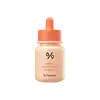
This anti-aging ampoule is formulated around Sodium DNA and Retinol to soften the look of wrinkles and refine skin texture.
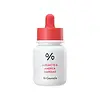
This calming ampoule is formulated around Azelaic Acid and Panthenol to calm redness and clear breakouts.

What's inside
What's inside
 Key Ingredients
Benefits
Concerns
Ingredients Side-by-side
Water
Skin ConditioningGlycerin
Humectant


Dipropylene Glycol
HumectantIsododecane
Emollient1,2-Hexanediol
Skin Conditioning
Glycereth-26
Humectant
C12-15 Alkyl Benzoate
AntimicrobialPolyglyceryl-3 Distearate
Emulsifying

Butylene Glycol
Humectant
Diethoxyethyl Succinate
SolventSqualane
Emollient
Isopropyl Myristate
Emollient



Coptis Japonica Root Extract
Skin ConditioningGlyceryl Stearate
Emollient
Acrylates/C10-30 Alkyl Acrylate Crosspolymer
Emulsion StabilisingAmmonium Acryloyldimethyltaurate/Vp Copolymer
Dioscorea Japonica Root Extract
Skin Conditioning
Hydrogenated Lecithin
Emulsifying
Ethylhexylglycerin
Skin ConditioningTromethamine
BufferingGlyceryl Stearate Citrate
Emollient
Xanthan Gum
EmulsifyingHydrolyzed Sponge
Skin ConditioningHydrolyzed Corn Starch
HumectantBeta-Glucan
Skin Conditioning
Disodium EDTA
ChelatingSucrose
Humectant
Dextrin
AbsorbentCyanocobalamin
Skin ConditioningTheobroma Cacao Seed Extract
Antioxidant
Hydrolyzed Sodium Hyaluronate
Skin Conditioning
Centella Asiatica Extract
Cleansing
Ficus Carica Fruit Extract
Humectant
Lactococcus Ferment Lysate
Skin Conditioning
Ceramide NP
Skin Conditioning
Fructooligosaccharides
Humectant
Sodium DNA
Skin Conditioning
Cyperus Rotundus Root Extract
Skin ConditioningSalmon Egg Extract
Centella Asiatica Leaf Extract
Skin Conditioning
Sodium Chloride
MaskingRetinol
Skin Conditioning





Citric Acid
Buffering
Water, Glycerin, Dipropylene Glycol, Isododecane, 1,2-Hexanediol, Glycereth-26, C12-15 Alkyl Benzoate, Polyglyceryl-3 Distearate, Butylene Glycol, Diethoxyethyl Succinate, Squalane, Isopropyl Myristate, Coptis Japonica Root Extract, Glyceryl Stearate, Acrylates/C10-30 Alkyl Acrylate Crosspolymer, Ammonium Acryloyldimethyltaurate/Vp Copolymer, Dioscorea Japonica Root Extract, Hydrogenated Lecithin, Ethylhexylglycerin, Tromethamine, Glyceryl Stearate Citrate, Xanthan Gum, Hydrolyzed Sponge, Hydrolyzed Corn Starch, Beta-Glucan, Disodium EDTA, Sucrose, Dextrin, Cyanocobalamin, Theobroma Cacao Seed Extract, Hydrolyzed Sodium Hyaluronate, Centella Asiatica Extract, Ficus Carica Fruit Extract, Lactococcus Ferment Lysate, Ceramide NP, Fructooligosaccharides, Sodium DNA, Cyperus Rotundus Root Extract, Salmon Egg Extract, Centella Asiatica Leaf Extract, Sodium Chloride, Retinol, Citric Acid
Water
Skin ConditioningAzelaic Acid
Buffering
Propylene Glycol
Humectant
Sodium Hydroxide
BufferingPentylene Glycol
Skin Conditioning
Hydroxyethylcellulose
Emulsion StabilisingPanthenol
Skin Conditioning
Chondrus Crispus Extract
Skin Conditioning
Chlorella Vulgaris Extract
Skin ConditioningGlucose
Humectant
Saccharum Officinarum Extract
MoisturisingGlycerin
Humectant
1,2-Hexanediol
Skin Conditioning
Butylene Glycol
Humectant
Fructooligosaccharides
Humectant
Fructose
Humectant
Ethylhexylglycerin
Skin ConditioningDextrin
AbsorbentTheobroma Cacao Extract
Skin ConditioningMadecassoside
Antioxidant
Tocopherol
Antioxidant
Arginine
Masking
Water, Azelaic Acid, Propylene Glycol, Sodium Hydroxide, Pentylene Glycol, Hydroxyethylcellulose, Panthenol, Chondrus Crispus Extract, Chlorella Vulgaris Extract, Glucose, Saccharum Officinarum Extract, Glycerin, 1,2-Hexanediol, Butylene Glycol, Fructooligosaccharides, Fructose, Ethylhexylglycerin, Dextrin, Theobroma Cacao Extract, Madecassoside, Tocopherol, Arginine
Reviews
Ingredients Explained
These ingredients are found in both products.
Ingredients higher up in an ingredient list are typically present in a larger amount.
1,2-Hexanediol is a synthetic liquid and another multi-functional powerhouse.
It is a:
- Humectant, drawing moisture into the skin
- Emollient, helping to soften skin
- Solvent, dispersing and stabilizing formulas
- Preservative booster, enhancing the antimicrobial activity of other preservatives
Butylene Glycol (or BG) is used within cosmetic products for a few different reasons:
Overall, Butylene Glycol is a safe and well-rounded ingredient that works well with other ingredients.
Though this ingredient works well with most skin types, some people with sensitive skin may experience a reaction such as allergic rashes, closed comedones, or itchiness.
Learn more about Butylene GlycolDextrin is a starch-derived polysaccharide. It's made by partially breaking down corn, potato, or other plant starches.
Think of it as "half-processed" starch; it's less complex than the original but not fully broken down into sugar like maltodextrin.
In cosmetics, it mainly functions as a bulking agent, viscosity controller, binder, and absorbent. It helps thicken products, stabilize powders, and get certain textures a less "wet" feel.
This ingredient has a pretty solid safety profile; it's recognized as a safe food additive and its large molecular size means it doesn't meaningfully penetrate skin.
Human repeat insult patch tests using a rinse-off facial product containing 42.69% dextrin found no skin irritation or sensitization in 54 subjects.
Typical real-world usage is much lower: usually under 1% as a texture modifier and up to 40% in masks (rinse off products use less).
Learn more about DextrinEthylhexylglycerin is created from glycerin. It is a multitasker ingredient that:
The CIR Expert Panel found minimal skin absorption or sensitization of any kind in a safety assessment. Though this ingredient is considered well-tolerated, a small number of cases of allergic dermatitis have been published since 2002. Just be sure to patch test if you are unsure.
Industry-reported use ranges from 8% in rinse-off products and 2% in leave-on formulations.
Learn more about EthylhexylglycerinFructooligosaccharides (FOS) are a type of prebiotic sugar with humectant and skin conditioning properties. As a humectant, they help attract and hold moisture in the skin.
FOS essentially acts as a food source for the "good" bacteria on your skin and make it harder for "bad" bacteria to thrive. A 2022 study using a reconstructured human skin model found that just 1% of FOS was enough to shift the bacteria balance in favor of beneficial species. This suggests it could help support a healthier skin microbiome over time.
This ingredient has a low sensitization risk and testing shows it does not classify as a skin irritant or sensitizer.
FOS are usually produced from sugar beets and can also be found in foods like bananas, garlic, and onions.
Learn more about FructooligosaccharidesGlycerin (or glycerol) is a compound naturally found in your skin. It's a powerhouse humectant that pulls water into the stratum corneum.
Topically, glycerin does several things at once:
Your skin makes glycerin on its own (mostly from sebaceous oil breakdown) and shuttles it to your outermost layer of skin, or your epidermis, via aquaporin-3.
Aquaporin-3 is a transporter that is essential for normal skin hydration, elasticity, and repair. Interestingly, mice lacking in AQP3 have dry and less elastic skin that can be fully corrected with glycerin.
This ingredient is non-irritating, plays well with almost every ingredient, and works across all skin types. Typical use is anywhere between 3-10% but can go up to 79% in some leave-on products.
Just know very high concentrations (>40%) can feel tacky in low humidity.
Glycerin is the name for this ingredient in American English. British English uses Glycerol/Glycerine.
Learn more about GlycerinWater. It's the most common cosmetic ingredient of all. You'll usually see it at the top of ingredient lists, meaning that it makes up the largest part of the product.
So why is it so popular? Water most often acts as a solvent - this means that it helps dissolve other ingredients into the formulation.
You'll also recognize water as that liquid we all need to stay alive. If you see this, drink a glass of water. Remember to stay hydrated!
Learn more about Water

