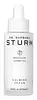
This calming serum is formulated around Echium Plantagineum Seed Oil and Panthenol to calm redness and strengthen the skin barrier.
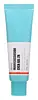
This calming moisturizer is formulated around Centella Asiatica Leaf Water and Niacinamide to calm redness and strengthen the skin barrier.


What's inside
What's inside
 Key Ingredients
Benefits
Concerns
Ingredients Side-by-side
Water
Skin ConditioningPrunus Amygdalus Dulcis Oil
Skin Conditioning





Dicaprylyl Carbonate
EmollientGlycerin
Humectant

Octyldodecanol
Emollient
Lactobacillus/Portulaca Oleracea Ferment Extract
Antioxidant
Cetearyl Alcohol
Emollient

Glyceryl Stearate
Emollient
Echium Plantagineum Seed Oil
Skin Conditioning
Helianthus Annuus Seed Oil Unsaponifiables
Emollient
Biosaccharide Gum-1
Humectant
Leuconostoc/Radish Root Ferment Filtrate
Antimicrobial
Cardiospermum Halicacabum Flower/Leaf/Vine Extract
Skin ConditioningPanthenol
Skin Conditioning
Phenoxyethanol
Preservative
Sodium Lauroyl Glutamate
SurfactantStearic Acid
Cleansing
Dimethicone
Emollient
Carbomer
Emulsion StabilisingEthylhexylglycerin
Skin ConditioningSodium Hydroxide
BufferingPantolactone
Humectant
Tocopherol
Antioxidant



Citric Acid
Buffering
Water, Prunus Amygdalus Dulcis Oil, Dicaprylyl Carbonate, Glycerin, Octyldodecanol, Lactobacillus/Portulaca Oleracea Ferment Extract, Cetearyl Alcohol, Glyceryl Stearate, Echium Plantagineum Seed Oil, Helianthus Annuus Seed Oil Unsaponifiables, Biosaccharide Gum-1, Leuconostoc/Radish Root Ferment Filtrate, Cardiospermum Halicacabum Flower/Leaf/Vine Extract, Panthenol, Phenoxyethanol, Sodium Lauroyl Glutamate, Stearic Acid, Dimethicone, Carbomer, Ethylhexylglycerin, Sodium Hydroxide, Pantolactone, Tocopherol, Citric Acid
Centella Asiatica Leaf Water
Skin Conditioning
Glycerin
Humectant
Caprylyl Methicone
Skin Conditioning
Ammonium Acryloyldimethyltaurate/Vp Copolymer
Niacinamide
Smoothing




1,2-Hexanediol
Skin Conditioning
Panthenol
Skin Conditioning
Madecassoside
Antioxidant
Hydroxyethyl Acrylate/Sodium Acryloyldimethyl Taurate Copolymer
Emulsion StabilisingDipropylene Glycol
HumectantHydroxyacetophenone
Antioxidant
Caprylic/Capric Triglyceride
Masking
Centella Asiatica Leaf Extract
Skin Conditioning
Water
Skin ConditioningAsiaticoside
Antioxidant
Caprylyl Glycol
Emollient
Adenosine
Skin Conditioning
Hydrogenated Lecithin
Emulsifying
Disodium EDTA
ChelatingAllantoin
Skin Conditioning
Cetearyl Alcohol
Emollient
Stearic Acid
Cleansing
Dipotassium Glycyrrhizate
Humectant
Octyldodecanol
Emollient
Echium Plantagineum Seed Oil
Skin Conditioning
Cardiospermum Halicacabum Flower/Leaf/Vine Extract
Skin ConditioningHelianthus Annuus Seed Oil Unsaponifiables
Emollient
Centella Asiatica Leaf Water, Glycerin, Caprylyl Methicone, Ammonium Acryloyldimethyltaurate/Vp Copolymer, Niacinamide, 1,2-Hexanediol, Panthenol, Madecassoside, Hydroxyethyl Acrylate/Sodium Acryloyldimethyl Taurate Copolymer, Dipropylene Glycol, Hydroxyacetophenone, Caprylic/Capric Triglyceride, Centella Asiatica Leaf Extract, Water, Asiaticoside, Caprylyl Glycol, Adenosine, Hydrogenated Lecithin, Disodium EDTA, Allantoin, Cetearyl Alcohol, Stearic Acid, Dipotassium Glycyrrhizate, Octyldodecanol, Echium Plantagineum Seed Oil, Cardiospermum Halicacabum Flower/Leaf/Vine Extract, Helianthus Annuus Seed Oil Unsaponifiables
Ingredients Explained
These ingredients are found in both products.
Ingredients higher up in an ingredient list are typically present in a larger amount.
Cardiospermum halicacabum extract is more commonly known as Balloon Vine Extract.
Cetearyl alcohol is a waxy mixture of two fatty alcohols: cetyl alcohol and stearyl alcohol. It is an emollient and emulsifier.
Despite having "alcohol" in its name, it has nothing to do with drying solvent alcohols; the FDA also allows "alcohol-free" products to contain fatty alcohols like this ingredient.
It plays several roles in a formula:
Typical use levels for this ingredient sit around 1-10% and the Cosmetic Ingredient Review Expert Panel has affirmed safety at concentrations up to 25% in leave-on products.
Multiple assessments have found it to be non-irritating and non-sensitizing to most people.
However, there have been some cases of allergic contact dermatitis in patients with chronically compromised skin barriers.
Cetearyl alcohol has a comedogenic rating of 2 and irritancy rating of 1. Both of these numbers come from the 1989 study that used rabbit ears; a "2" means mildly comedogenic and a "1" means low irritancy.
Here's the catch: rabbit skin is more sensitive than human skin and throws a lot of false positives. A 1996 reappraisal found that ingredients rated 1-2 in the rabbit ear tests are generally safe for humans.
Remember comedogenic ratings are unable to assess the entire formula of a product or how it will react on your skin. Just be sure to patch test if you are unsure about certain ingredients.
This ingredient is not fungal acne safe. Cetearyl alcohol is a fatty alcohol with chain lengths that fall within the range that Malassezia can metabolize.
A 2019 study has also observed Malassezia growth in the presence of this ingredient, confirming it to be not-fungal acne safe.
Learn more about Cetearyl AlcoholEchium Plantagineum Seed Oil is an oil and isn't fungal acne safe. It can help to reduce redness.
Glycerin (or glycerol) is a compound naturally found in your skin. It's a powerhouse humectant that pulls water into the stratum corneum.
Topically, glycerin does several things at once:
Your skin makes glycerin on its own (mostly from sebaceous oil breakdown) and shuttles it to your outermost layer of skin, or your epidermis, via aquaporin-3.
Aquaporin-3 is a transporter that is essential for normal skin hydration, elasticity, and repair. Interestingly, mice lacking in AQP3 have dry and less elastic skin that can be fully corrected with glycerin.
This ingredient is non-irritating, plays well with almost every ingredient, and works across all skin types. Typical use is anywhere between 3-10% but can go up to 79% in some leave-on products.
Just know very high concentrations (>40%) can feel tacky in low humidity.
Glycerin is the name for this ingredient in American English. British English uses Glycerol/Glycerine.
Learn more about GlycerinThis ingredient is the small fraction of sunflower seed oil (~1.5-2% of the whole oil) that cannot be turned into soap.
This concentrated fraction is rich in skin-nourishing compounds like free fatty acids, tocopherols, and phytosterols. Linoleic acid makes up about 48-74% of its composition.
Unsaponifiables have high antioxidant potential due to the tocopherols, carotenoids, and phenolic acids that help protect skin from free radical damage. On the other hand, linoleic acid supports the skin's barrier by replenishing ceramides and reducing transepidermal water loss.
A manufacturer-sponsored clinical study found that a cream with 2% of this ingredient increased skin moisturization by 48.6% after 1 hour and 34.2% after 24 hours.
Using this cream twice-daily for 4 weeks showed meaningful improvement in dryness, roughness, and desquamation (the shedding of dead skin cells).
Keep in mind this is a small, industry-funded study so it'd be great to see independent replication. However, the mechanism is consistent with well-establish linoleic and phytosterol research.
While this ingredient is generally considered safe, those with an Asteraceae/Compositae plant allergy should patch test this ingredient.
Fungal acne: this ingredient is not considered safe for fungal acne because the Malassezia yeast preferentially metabolizes in the C11-24 range. Linoleic acid falls into this range at C18.
Learn more about Helianthus Annuus Seed Oil UnsaponifiablesOctyldodecanol is a fatty alcohol sourced from plant oils like coconut or palm (or made synthetically).
It is:
You'll likely see this in many BHA products because this is the go-to solvent for salicylic acid.
This ingredient is typically used at levels between 2-20%.
Regarding fungal acne:
In 2019, this ingredient was tested against multiple Malassezia species (the yeast that causes fungal acne) and showed no growth.
Panthenol is a common ingredient that helps hydrate and soothe the skin. It is found naturally in our skin and hair.
There are two forms of panthenol: D and L.
D-panthenol is also known as dexpanthenol. Most cosmetics use dexpanthenol or a mixture of D and L-panthenol.
Panthenol is famous due to its ability to go deeper into the skin's layers. Using this ingredient has numerous pros (and no cons):
Like hyaluronic acid, panthenol is a humectant. Humectants are able to bind and hold large amounts of water to keep skin hydrated.
This ingredient works well for wound healing. It works by increasing tissue in the wound and helps close open wounds.
Once oxidized, panthenol converts to pantothenic acid. Panthothenic acid is found in all living cells.
This ingredient is also referred to as pro-vitamin B5.
Learn more about PanthenolStearic Acid is a fatty acid that is already found in your skin. It's one of the free fatty acids that works alongside ceramides and cholesterols to maintain your barrier.
In cosmetics, it is a multitasker:
Safety-wise, the CIR Expert Panel has concluded it to be safe in cosmetics when formulated to be non-irritating and non-sensitizing.
Free stearic acid is a C18 fatty acid that the Malassezia yeast can substrate, so this ingredient may not be fungal acne safe.
This ingredient does have a comedogenic rating of 2-3, but this doesn't mean a formula with this ingredient will clog pores.
Human testing has proved that any finished product with this ingredient won't automatically make you break out; it really comes down to concentration, formula, and your skin.
Learn more about Stearic AcidWater. It's the most common cosmetic ingredient of all. You'll usually see it at the top of ingredient lists, meaning that it makes up the largest part of the product.
So why is it so popular? Water most often acts as a solvent - this means that it helps dissolve other ingredients into the formulation.
You'll also recognize water as that liquid we all need to stay alive. If you see this, drink a glass of water. Remember to stay hydrated!
Learn more about Water

