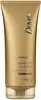
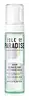
Dove DermaSpa Summer Revived Self Tanner Body Lotion Medium to Dark Skin Versus Isle of Paradise Glow Clear Self-Tanning Mousse Medium
This tanning is formulated to brighten dull-looking skin.


What's inside
What's inside
 Key Ingredients
Benefits
Concerns
Ingredients Side-by-side
Water
Skin ConditioningGlycerin
Humectant


Isopropyl Palmitate
Emollient




Stearic Acid
Cleansing
Dihydroxyacetone
Skin ConditioningDimethicone
Emollient
Glycol Stearate
Emollient
PEG-100 Stearate
Surfactant
Caprylyl Glycol
Emollient
Caramel
Cosmetic ColorantCetyl Alcohol
Emollient
Citric Acid
Buffering

Dimethiconol
Emollient
Disodium EDTA
ChelatingGlyceryl Stearate
Emollient
Hydroxyethyl Acrylate/Sodium Acryloyldimethyl Taurate Copolymer
Emulsion StabilisingHydroxystearic Acid
Cleansing
Isohexadecane
EmollientIsopropyl Myristate
Emollient
Maltodextrin
Absorbent
Palmitic Acid
Emollient
Parfum
Masking

Phenoxyethanol
Preservative
Polysorbate 60
Emulsifying
Sodium Hydroxypropyl Starch Phosphate
Abrasive
Sorbitan Isostearate
Emulsifying
Stearamide Amp
Foam BoostingAlpha-Isomethyl Ionone
Perfuming
Benzyl Alcohol
Perfuming
Butylphenyl Methylpropional
Perfuming
Citronellol
Perfuming
Coumarin
Perfuming
Geraniol
Perfuming
Hexyl Cinnamal
Perfuming
Limonene
Perfuming
Linalool
Perfuming
CI 16255
Cosmetic ColorantCI 47005
Cosmetic ColorantWater, Glycerin, Isopropyl Palmitate, Stearic Acid, Dihydroxyacetone, Dimethicone, Glycol Stearate, PEG-100 Stearate, Caprylyl Glycol, Caramel, Cetyl Alcohol, Citric Acid, Dimethiconol, Disodium EDTA, Glyceryl Stearate, Hydroxyethyl Acrylate/Sodium Acryloyldimethyl Taurate Copolymer, Hydroxystearic Acid, Isohexadecane, Isopropyl Myristate, Maltodextrin, Palmitic Acid, Parfum, Phenoxyethanol, Polysorbate 60, Sodium Hydroxypropyl Starch Phosphate, Sorbitan Isostearate, Stearamide Amp, Alpha-Isomethyl Ionone, Benzyl Alcohol, Butylphenyl Methylpropional, Citronellol, Coumarin, Geraniol, Hexyl Cinnamal, Limonene, Linalool, CI 16255, CI 47005
Cocos Nucifera Water
Masking
Dihydroxyacetone
Skin ConditioningPropylene Glycol
Humectant
Ethoxydiglycol
HumectantPEG-40 Hydrogenated Castor Oil
Emulsifying
Glycerin
Humectant
Decyl Glucoside
Cleansing
Glycereth-26
Humectant
Erythrulose
TanningAgastache Mexicana Flower/Leaf/Stem Extract
Skin ConditioningPanthenol
Skin Conditioning
Aloe Barbadensis Extract
Skin Conditioning
Citrus Grandis Peel Oil
Masking

Cocos Nucifera Oil
Masking
Eucalyptus Globulus Leaf Oil
Perfuming
Mentha Piperita Oil
Masking
Persea Gratissima Oil
Skin Conditioning
Salvia Hispanica Seed Oil
Emollient
Salvia Officinalis Oil
Masking
Tropaeolum Majus Flower/Leaf/Stem Extract
Skin ConditioningMethoxyphenyl T-Butylphenyl Propanediol
Skin ConditioningAscorbic Acid
Antioxidant




Ethylhexylglycerin
Skin ConditioningPropanediol
Solvent
Sodium Metabisulfite
Antioxidant
Parfum
Masking
Phenoxyethanol
Preservative
Triethylene Glycol
Masking
Cocos Nucifera Water, Dihydroxyacetone, Propylene Glycol, Ethoxydiglycol, PEG-40 Hydrogenated Castor Oil, Glycerin, Decyl Glucoside, Glycereth-26, Erythrulose, Agastache Mexicana Flower/Leaf/Stem Extract, Panthenol, Aloe Barbadensis Extract, Citrus Grandis Peel Oil, Cocos Nucifera Oil, Eucalyptus Globulus Leaf Oil, Mentha Piperita Oil, Persea Gratissima Oil, Salvia Hispanica Seed Oil, Salvia Officinalis Oil, Tropaeolum Majus Flower/Leaf/Stem Extract, Methoxyphenyl T-Butylphenyl Propanediol, Ascorbic Acid, Ethylhexylglycerin, Propanediol, Sodium Metabisulfite, Parfum, Phenoxyethanol, Triethylene Glycol
Ingredients Explained
These ingredients are found in both products.
Ingredients higher up in an ingredient list are typically present in a larger amount.
Dihydroxyacetone, or DHA, is the active ingredient in self-tanners.
It's a simply sugar that reacts with the free amino acids in your outermost layer of skin to produce brown-colored compounds called melanoidins.
DHA does not penetrate living skin cells, does not interact with melanocytes, and does not affect actualy melanin production.
There's a "safety controversy" that largely stems from misinterpreted studies:
Once concern is that DHA can generate unstable molecules that can damage cells (free radicals) when exposed to sunlight. This only happens in the outermost layer of dead skin cells and wearing SPF on top takes care of it.
The DNA damage claim comes from lab studies that doused living skin cells in much higher concentrations of DHA than you'd ever find in a self-tanner. That's not really a meaningful comparison to putting self-tanning lotion on your skin.
Regulatory bodies around the world, including the EU's Scientific Committee on Consumer Safety (SCCS) and the U.S. FDA consider it safe for use in cosmetics when applied topically (maximum 10%, and most self-tanners contain between 3-5%).
Learn more about DihydroxyacetoneGlycerin (or glycerol) is a compound naturally found in your skin. It's a powerhouse humectant that pulls water into the stratum corneum.
Topically, glycerin does several things at once:
Your skin makes glycerin on its own (mostly from sebaceous oil breakdown) and shuttles it to your outermost layer of skin, or your epidermis, via aquaporin-3.
Aquaporin-3 is a transporter that is essential for normal skin hydration, elasticity, and repair. Interestingly, mice lacking in AQP3 have dry and less elastic skin that can be fully corrected with glycerin.
This ingredient is non-irritating, plays well with almost every ingredient, and works across all skin types. Typical use is anywhere between 3-10% but can go up to 79% in some leave-on products.
Just know very high concentrations (>40%) can feel tacky in low humidity.
Glycerin is the name for this ingredient in American English. British English uses Glycerol/Glycerine.
Learn more about GlycerinParfum is a catch-all term for an ingredient or more that is used to give a scent to products.
Also called "fragrance", this ingredient can be a blend of hundreds of chemicals or plant oils. This means every product with "fragrance" or "parfum" in the ingredients list is a different mixture.
For instance, Habanolide is a proprietary trade name for a specific aroma chemical. When used as a fragrance ingredient in cosmetics, most aroma chemicals fall under the broad labeling category of “FRAGRANCE” or “PARFUM” according to EU and US regulations.
The term 'parfum' or 'fragrance' is not regulated in many countries. In many cases, it is up to the brand to define this term.
For instance, many brands choose to label themselves as "fragrance-free" because they are not using synthetic fragrances. However, their products may still contain ingredients such as essential oils that are considered a fragrance by INCI standards.
One example is Calendula flower extract. Calendula is an essential oil that still imparts a scent or 'fragrance'.
Depending on the blend, the ingredients in the mixture can cause allergies and sensitivities on the skin. Some ingredients that are known EU allergens include linalool and citronellol.
Parfum can also be used to mask or cover an unpleasant scent.
The bottom line is: not all fragrances/parfum/ingredients are created equally. If you are worried about fragrances, we recommend taking a closer look at an ingredient. And of course, we always recommend speaking with a professional.
Learn more about ParfumPhenoxyethanol is one of the most widely used preservatives in skincare (and for good reason!).
It has a large spectrum of antimicrobial activity and especially effective bacteria, yeast, and mold while only having a weak effect on your skin's natural microbiome.
On a cellular level, it disrupts the cell membranes of microbes by poking holes that make the cell leak. This shuts down the chemical reactions the microbe needs to make energy so it can no longer survive.
Another perk of this ingredient is that it stays functional across a wide pH range (3-10).
You'll often see it paired with boosters like Ethylhexylglycerin; one study showed that a 1:9 ratio of Ethylhexylglycerin to Phenoxyethanol damages bacterial membranes as effectively as doubling the Phenoxyethanol concentration on its own.
Typical use concentrations range from 0.3-1% depending on the formula, and this ingredient is capped at 1% int the EU.
Safety-wise, the fear mongering does not hold up to the evidence. The EU's Scientific Committee on Consumer Safety and FDA consider it safe as a preservative at up to 1%, including for children of all ages.
Adverse systemic effects only showed up in animal studies at exposures roughly 200x higher than what people get from cosmetics. And despite its very widespread use, this ingredient is a rare sensitizer and allergic reactions are uncommon.
Learn more about Phenoxyethanol

