
What's inside
What's inside
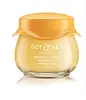 Key Ingredients
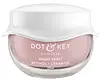
Benefits
Concerns
Ingredients Side-by-side
Water
Skin ConditioningDicaprylyl Ether
Emollient
Glycerin
Humectant


Dimethicone
Emollient
Butyrospermum Parkii Butter
Skin Conditioning


Xylitylglucoside
Humectant
Anhydroxylitol
Humectant
Xylitol
Humectant
Polyacrylate Crosspolymer-6
Emulsion StabilisingAcrylates/C10-30 Alkyl Acrylate Crosspolymer
Emulsion StabilisingCetearyl Alcohol
Emollient
3-O-Ethyl Ascorbic Acid
Skin Conditioning



Acacia Senegal Gum
MaskingXanthan Gum
EmulsifyingNiacinamide
Smoothing





Saccharide Isomerate
Humectant
Citric Acid
Buffering

Sodium Citrate
BufferingAllantoin
Skin Conditioning
Panthenol
Skin Conditioning
Tocopheryl Acetate
Antioxidant

Methylsilanol Mannuronate
Skin ConditioningSodium Hydroxide
BufferingDisodium EDTA
Betaine
Humectant
Citrus Sinensis Fruit Extract
Antioxidant
Terminalia Ferdinandiana Fruit Extract
Antioxidant
Rosa Rubiginosa Seed Oil
Emollient
Phenoxyethanol
Preservative
Ethylhexylglycerin
Skin ConditioningPentaerythrityl Tetra-Di-T-Butyl Hydroxyhydrocinnamate
Antioxidant
BHT
Antioxidant
Parfum
Masking

CI 15985
Cosmetic ColorantCI 19140
Cosmetic ColorantWater, Dicaprylyl Ether, Glycerin, Dimethicone, Butyrospermum Parkii Butter, Xylitylglucoside, Anhydroxylitol, Xylitol, Polyacrylate Crosspolymer-6, Acrylates/C10-30 Alkyl Acrylate Crosspolymer, Cetearyl Alcohol, 3-O-Ethyl Ascorbic Acid, Acacia Senegal Gum, Xanthan Gum, Niacinamide, Saccharide Isomerate, Citric Acid, Sodium Citrate, Allantoin, Panthenol, Tocopheryl Acetate, Methylsilanol Mannuronate, Sodium Hydroxide, Disodium EDTA, Betaine, Citrus Sinensis Fruit Extract, Terminalia Ferdinandiana Fruit Extract, Rosa Rubiginosa Seed Oil, Phenoxyethanol, Ethylhexylglycerin, Pentaerythrityl Tetra-Di-T-Butyl Hydroxyhydrocinnamate, BHT, Parfum, CI 15985, CI 19140
Water
Skin ConditioningGlycerin
Humectant
Dicaprylyl Ether
Emollient
Dimethicone
Emollient
Dimethicone Crosspolymer
Emulsion Stabilising
Polyacrylamide
C13-14 Isoparaffin
Emollient
Laureth-7
EmulsifyingMethylsilanol Mannuronate
Skin ConditioningPhenoxyethanol
Preservative
Ethylhexylglycerin
Skin ConditioningSilanetriol
Hyaluronic Acid
Humectant
Retinyl Palmitate
Skin Conditioning
Hibiscus Sabdariffa Flower Extract
Skin ConditioningHippophae Rhamnoides Fruit Oil
Skin Protecting
Oenothera Biennis Oil
Emollient
Milk Lipids
Skin Conditioning
Ceramide NP
Skin Conditioning
Acrylates/C10-30 Alkyl Acrylate Crosspolymer
Emulsion StabilisingTocopheryl Acetate
Antioxidant
Sodium Hydroxide
BufferingSodium Ascorbyl Phosphate
Antioxidant
Panthenol
Skin Conditioning
Allantoin
Skin Conditioning
Disodium EDTA
CI 16185
Cosmetic ColorantCI 15985
Cosmetic ColorantCI 42090
Cosmetic ColorantWater, Glycerin, Dicaprylyl Ether, Dimethicone, Dimethicone Crosspolymer, Polyacrylamide, C13-14 Isoparaffin, Laureth-7, Methylsilanol Mannuronate, Phenoxyethanol, Ethylhexylglycerin, Silanetriol, Hyaluronic Acid, Retinyl Palmitate, Hibiscus Sabdariffa Flower Extract, Hippophae Rhamnoides Fruit Oil, Oenothera Biennis Oil, Milk Lipids, Ceramide NP, Acrylates/C10-30 Alkyl Acrylate Crosspolymer, Tocopheryl Acetate, Sodium Hydroxide, Sodium Ascorbyl Phosphate, Panthenol, Allantoin, Disodium EDTA, CI 16185, CI 15985, CI 42090
Ingredients Explained
These ingredients are found in both products.
Ingredients higher up in an ingredient list are typically present in a larger amount.
Acrylates/C10-30 Alkyl Acrylate Crosspolymer is a synthetic polymer. It is used to thicken and improve the texture of products. Due to its properties, it can prevent water and oil ingredients from separating.
Allantoin is a soothing ingredient known for its protective and moisturizingg properties. Because of this, it is often added to products with strong active ingredients.
Studies show higher concentrations of this ingredient can promote wound healing.
Though it can be derived from the comfrey plant, allantoin is produced synthetically for cosmetic products to ensure purity.
Learn more about AllantoinCi 15985 is a dye made from petroleum. It is synthetically created and approved by the FDA for use in foods and cosmetics.
The color of this dye is orange/yellow.
This ingredient can be found in makeup, sun care, and skincare.
Learn more about CI 15985Dicaprylyl Ether is created from caprylic acid. It is a texture-enhancer and emollient.
As an emollient, Dicaprylyl Ether is non-comedogenic. It helps soften and smooth the skin by creating a barrier on top. This barrier helps trap moisture in, helping to hydrate the skin.
Dicaprylyl Ether gives a non-greasy feel and better spreadability to products.
Learn more about Dicaprylyl EtherDimethicone is a type of synthetic silicone created from natural materials such as quartz.
What it does:
Dimethicone comes in different viscosities:
Depending on the viscosity, dimethicone has different properties.
Ingredients lists don't always show which type is used, so we recommend reaching out to the brand if you have questions about the viscosity.
This ingredient is unlikely to cause irritation because it does not get absorbed into skin. However, people with silicone allergies should be careful about using this ingredient.
Note: Dimethicone may contribute to pilling. This is because it is not oil or water soluble, so pilling may occur when layered with products. When mixed with heavy oils in a formula, the outcome is also quite greasy.
Learn more about DimethiconeDisodium EDTA plays a role in making products more stable by aiding other preservatives.
It is a chelating agent, meaning it neutralizes metal ions that may be found in a product.
Disodium EDTA is a salt of edetic acid and is found to be safe in cosmetic ingredients.
Learn more about Disodium EDTAEthylhexylglycerin (we can't pronounce this either) is commonly used as a preservative and skin softener. It is derived from glyceryl.
You might see Ethylhexylglycerin often paired with other preservatives such as phenoxyethanol. Ethylhexylglycerin has been found to increase the effectiveness of these other preservatives.
Glycerin is already naturally found in your skin. It helps moisturize and protect your skin.
A study from 2016 found glycerin to be more effective as a humectant than AHAs and hyaluronic acid.
As a humectant, it helps the skin stay hydrated by pulling moisture to your skin. The low molecular weight of glycerin allows it to pull moisture into the deeper layers of your skin.
Hydrated skin improves your skin barrier; Your skin barrier helps protect against irritants and bacteria.
Glycerin has also been found to have antimicrobial and antiviral properties. Due to these properties, glycerin is often used in wound and burn treatments.
In cosmetics, glycerin is usually derived from plants such as soybean or palm. However, it can also be sourced from animals, such as tallow or animal fat.
This ingredient is organic, colorless, odorless, and non-toxic.
Glycerin is the name for this ingredient in American English. British English uses Glycerol/Glycerine.
Learn more about GlycerinWe don't have a description for Methylsilanol Mannuronate yet.
Panthenol is a common ingredient that helps hydrate and soothe the skin. It is found naturally in our skin and hair.
There are two forms of panthenol: D and L.
D-panthenol is also known as dexpanthenol. Most cosmetics use dexpanthenol or a mixture of D and L-panthenol.
Panthenol is famous due to its ability to go deeper into the skin's layers. Using this ingredient has numerous pros (and no cons):
Like hyaluronic acid, panthenol is a humectant. Humectants are able to bind and hold large amounts of water to keep skin hydrated.
This ingredient works well for wound healing. It works by increasing tissue in the wound and helps close open wounds.
Once oxidized, panthenol converts to pantothenic acid. Panthothenic acid is found in all living cells.
This ingredient is also referred to as pro-vitamin B5.
Learn more about PanthenolPhenoxyethanol is a preservative that has germicide, antimicrobial, and aromatic properties. Studies show that phenoxyethanol can prevent microbial growth. By itself, it has a scent that is similar to that of a rose.
It's often used in formulations along with Caprylyl Glycol to preserve the shelf life of products.
Sodium Hydroxide is also known as lye or caustic soda. It is used to adjust the pH of products; many ingredients require a specific pH to be effective.
In small amounts, sodium hydroxide is considered safe to use. However, large amounts may cause chemical burns due to its high alkaline.
Your skin has a natural pH and acid mantle. This acid mantle helps prevent harmful bacteria from breaking through. The acid mantle also helps keep your skin hydrated.
"Alkaline" refers to a high pH level. A low pH level would be considered acidic.
Learn more about Sodium HydroxideTocopheryl Acetate is AKA Vitamin E. It is an antioxidant and protects your skin from free radicals. Free radicals damage the skin by breaking down collagen.
One study found using Tocopheryl Acetate with Vitamin C decreased the number of sunburned cells.
Tocopheryl Acetate is commonly found in both skincare and dietary supplements.
Learn more about Tocopheryl AcetateWater. It's the most common cosmetic ingredient of all. You'll usually see it at the top of ingredient lists, meaning that it makes up the largest part of the product.
So why is it so popular? Water most often acts as a solvent - this means that it helps dissolve other ingredients into the formulation.
You'll also recognize water as that liquid we all need to stay alive. If you see this, drink a glass of water. Stay hydrated!
Learn more about Water
