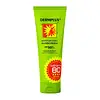
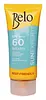
Dermplus Moisturizing Sunscreen SPF 50 PA+++ Extreme 80 Versus Belo Sun-Expert Reef-Friendly Sunscreen SPF 60
This hybrid sunscreen covers the full UV range and blocks ~98% of UVB at SPF 50.
This hybrid sunscreen covers the full UV range and blocks ~98% of UVB at SPF 60.

What's inside
What's inside
 Key Ingredients
Benefits
Concerns
Ingredients Side-by-side
Water
Skin ConditioningC12-15 Alkyl Benzoate
AntimicrobialTitanium Dioxide
Cosmetic Colorant

Alumina
Abrasive
Polyhydroxystearic Acid
Emulsifying

Isopropyl Titanium Triisostearate/Triethoxycaprylylsilane Crosspolymer
SurfactantOctocrylene
UV Absorber

Glycerin
Humectant


Butyl Methoxydibenzoylmethane
UV Absorber
Cyclopentasiloxane
Emollient
Dimethicone/Vinyl Dimenthicone Cross Polymer
Aluminum Silicate
Abrasive
Glyceryl Stearate
Emollient
Dimethicone
Emollient
Ethylhexyl Methoxycinnamate
UV Absorber
Triethanolamine
BufferingCaprylic/Capric Triglyceride
Masking
Cetearyl Alcohol
Emollient


Ceteareth-20
Cleansing
Stearyl Alcohol
Emollient
Vp/Hexadecene Copolymer
Isopropyl Myristate
Emollient
Polysorbate 80
Emulsifying
Carbomer
Emulsion StabilisingMethylparaben
Preservative

Propylparaben
Preservative
Tetrasodium EDTA
ChelatingBHT
Antioxidant
Water, C12-15 Alkyl Benzoate, Titanium Dioxide, Alumina, Polyhydroxystearic Acid, Isopropyl Titanium Triisostearate/Triethoxycaprylylsilane Crosspolymer, Octocrylene, Glycerin, Butyl Methoxydibenzoylmethane, Cyclopentasiloxane, Dimethicone/Vinyl Dimenthicone Cross Polymer, Aluminum Silicate, Glyceryl Stearate, Dimethicone, Ethylhexyl Methoxycinnamate, Triethanolamine, Caprylic/Capric Triglyceride, Cetearyl Alcohol, Ceteareth-20, Stearyl Alcohol, Vp/Hexadecene Copolymer, Isopropyl Myristate, Polysorbate 80, Carbomer, Methylparaben, Propylparaben, Tetrasodium EDTA, BHT
Water
Skin ConditioningCyclotetrasiloxane
Emollient
Cyclopentasiloxane
Emollient
Titanium Dioxide
Cosmetic Colorant
Aluminum Hydroxide
EmollientSilica
Abrasive

Hydrogen Dimethicone
Lauryl PEG-9 Polydimethylsiloxyethyl Dimethicone
Skin Conditioning
Zinc Oxide
Cosmetic Colorant
Dimethicone/Methicone Copolymer
PEG-10 Dimethicone
Skin Conditioning
Cetyl Alcohol
Emollient
Tris-Biphenyl Triazine
UV Absorber
Glyceryl Stearate
Emollient
Ceteareth-20
Cleansing
Ceteareth-12
EmulsifyingCetearyl Alcohol
Emollient
Cetyl Palmitate
Emollient
Ethylhexyl Triazone
UV Absorber
Propylheptyl Caprylate
EmollientC12-15 Alkyl Benzoate
AntimicrobialHydrolyzed Wheat Protein/Pvp Crosspolymer
Benzyl Alcohol
Perfuming



Glyceryl Caprylate
EmollientGlyceryl Undecylenate
Emollient
Butyrospermum Parkii Oil
Emollient
Sorbitan Palmitate
Emulsifying
Sorbitan Olivate
Emulsifying
Citric Acid
Buffering

Tetrasodium EDTA
ChelatingBisabolol
Antioxidant

Benzylidene Dimethoxydimethylindanone
Skin ProtectingWater, Cyclotetrasiloxane, Cyclopentasiloxane, Titanium Dioxide, Aluminum Hydroxide, Silica, Hydrogen Dimethicone, Lauryl PEG-9 Polydimethylsiloxyethyl Dimethicone, Zinc Oxide, Dimethicone/Methicone Copolymer, PEG-10 Dimethicone, Cetyl Alcohol, Tris-Biphenyl Triazine, Glyceryl Stearate, Ceteareth-20, Ceteareth-12, Cetearyl Alcohol, Cetyl Palmitate, Ethylhexyl Triazone, Propylheptyl Caprylate, C12-15 Alkyl Benzoate, Hydrolyzed Wheat Protein/Pvp Crosspolymer, Benzyl Alcohol, Glyceryl Caprylate, Glyceryl Undecylenate, Butyrospermum Parkii Oil, Sorbitan Palmitate, Sorbitan Olivate, Citric Acid, Tetrasodium EDTA, Bisabolol, Benzylidene Dimethoxydimethylindanone
Ingredients Explained
These ingredients are found in both products.
Ingredients higher up in an ingredient list are typically present in a larger amount.
C12-15 Alkyl Benzoate is a lightweight emollient made by combinig benzoic acid with fatty alcohols that are 12-15 carbons long.
In cosmetics, it plays several roles:
The Cosmetic Review Expert Panel has concluded the alkyl benzoate group to be safe as used in cosmetics; it wasn't found to be a skin irritant and unlikely to be absorbed due to its low water solubility.
This report recorded almost 1000 reported uses with concentrations up to 59% in leave-on products but your cosmetics will typically use 0.5-15% depending on the product.
It's often called a "SPF booster": this is because it keeps UV filters properly dissolved and evenly distributed to support a sunscreen's performance. It doesn't actually raise SPF on its own.
Overall, this ingredient is well tolerated.
This ingredient is fungal acne safe because it is an ester of benzoic acid.
Think of this ingredient as two parts stuck together: an oily part and an acid part. Malassezia only gets a meal when it can snip off a fatty acid to eat. With C12-15 Alkyl Benzoate, the acid part is benzoic acid, which isn't a fatty acid and which the yeast can't use as food.
Benzoic acid is actually used as a preservative to stop yeast from growing.
The oily part is a blend of C12-15 fatty alcohols but fatty alcohols in this size range can support only a little Malassezia growth (mostly for one species of Malassezia as well).
In the ingredient, those alcohols stay locked inside the molecule. The yeast can only reach them by snipping the benzoate bond, and that type of bond is harder for it to cut than a normal fatty bond.
So not much gets released. And whatever does get snipped comes packaged with benzoic acid, which discourages yeast growth.
Learn more about C12-15 Alkyl BenzoateCeteareth-20 is an emulsifier and surfactant made by reacting cetearyl alcohol with 20 moles of ethylene oxide.
This gives it both oil and water-loving properties that makes it an effect emulsifier; it's really great at pulling oil droplets into water to create a stable, creamy, and easy-to-spread base.
Typical use ranges from 0.5-30%. Most leave-on products are in the 1-10% zone.
The 20 ethylene oxide units is well above the PEG-10 threshold and therefore not a food source for Malassezia (it's fungal acne safe).
This ingredient has a comedogenic rating of 2 and an irritancy rating of 3. These numbers come from testing the raw ingredient on rabbit ears and doesn't reflect how it will behave in a finished product.
In practice, this ingredient is a well-tolerated ingredient. The ratings reflect cautious lab conditions and not real-world use. Just be sure to patch test any formulas you feel unsure about.
Learn more about Ceteareth-20Cetearyl alcohol is a waxy mixture of two fatty alcohols: cetyl alcohol and stearyl alcohol. It is an emollient and emulsifier.
Despite having "alcohol" in its name, it has nothing to do with drying solvent alcohols; the FDA also allows "alcohol-free" products to contain fatty alcohols like this ingredient.
It plays several roles in a formula:
Typical use levels for this ingredient sit around 1-10% and the Cosmetic Ingredient Review Expert Panel has affirmed safety at concentrations up to 25% in leave-on products.
Multiple assessments have found it to be non-irritating and non-sensitizing to most people.
However, there have been some cases of allergic contact dermatitis in patients with chronically compromised skin barriers.
Cetearyl alcohol has a comedogenic rating of 2 and irritancy rating of 1. Both of these numbers come from the 1989 study that used rabbit ears; a "2" means mildly comedogenic and a "1" means low irritancy.
Here's the catch: rabbit skin is more sensitive than human skin and throws a lot of false positives. A 1996 reappraisal found that ingredients rated 1-2 in the rabbit ear tests are generally safe for humans.
Remember comedogenic ratings are unable to assess the entire formula of a product or how it will react on your skin. Just be sure to patch test if you are unsure about certain ingredients.
This ingredient is not fungal acne safe. Cetearyl alcohol is a fatty alcohol with chain lengths that fall within the range that Malassezia can metabolize.
A 2019 study has also observed Malassezia growth in the presence of this ingredient, confirming it to be not-fungal acne safe.
Learn more about Cetearyl AlcoholCyclopentasiloxane (D5) is a lightweight silicone that mostly acts as an emollient and solvent in cosmetics. Its the reason your products feel silky, fast-spreading, and non-greasy.
Since D5 is volatile, it does its thing and then evaporates off the skin quickly.
The safety profile of this ingredient is reassuring; the US CIR Expert Panel concluded D5 is safe as used in cosmetics and Health Canada concluded that D5 is not harmful to human health or the environment as currently used in cosmetics
There's a study that people mention about D5 in a rat study showing tumors. This study is related to long-term inhalation of high D5 levels.
Regulatory bodies have judged this study to be not applicable in topical skincare since skin absorption of D5 is very low and we're not really inhaling huge amounts of D5.
The only restriction for this ingredient is environmental. The European Chemicals Agency (ECHA) restricted D5 in wash-off cosmetics at or above 0.1% due to their persistence in water.
Learn more about CyclopentasiloxaneGlyceryl Stearate is made by reacting glycerin with stearic acid (typically sourced from plant oils like palm or coconut). It's an emulsifier, emollient, and mild occlusive.
Emulsifiers help ingredients like oil and water stay mixed so your formula stays nicely blended and uniform in texture.
This ingredient is typically used in concentrations between 1-10%. Studies have found it to be non-sensitizing, non-phototoxic, and non-photoallergenic.
A close cousin of this ingredient is Glyceryl Stearate SE ("self-emulsifying"). This just has a small amount of sodium or potassium stearate added so it can emulsify without a co-emulsifier.
Since this ingredient is an ester of a C18 fatty acid, it may not be fungal acne safe. The Malassezia yeast can potentially metabolize within the C11-C24 range.
Fun fact: The human body also creates Glyceryl Stearate naturally.
Learn more about Glyceryl StearateTetrasodium EDTA is the salt formed from neutralizing ethylenediamine tetraacetic acid with sodium hydroxide. It is a chelating agent and used to prevent metal ions from binding to other ingredients. This helps keep the product and ingredients stable.
Tetrasodium EDTA comes as a white solid and is soluble in water.
Titanium Dioxide (TD) is a mineral UV filter widely used in sunscreens and cosmetics.
It's one of only two UV filters officially classified as "mineral" by regulatory agencies (the other being Zinc Oxide).
A really common myth is that mineral filters work by reflecting UV light off your skin like tiny mirrors.
They don't only do that; modern research shows TD protects mostly by absorbing UV radiation, the same way chemical filters do.
When researchers measured this, reflection accounted for only about 4-5% of the protection (and less than SPF 2 on its own). The other ~95% comes from absorption: the UV photons hit the particle and their energy gets soaked up by its semiconductor band gap rather than bouncing off.
So "reflects vs. absorbs" was never really the right way to split mineral from chemical filters.
TD gives broad-spectrum protection that's strongest in the UVB and UVA-2 range and weaker in the UVA-1 range. Its UVA protection isn't quite as strong as Zinc Oxide's which is why you'll often see the two paired together.
Together, they make a solid broad-spectrum system.
TD is a great pick for sensitive, acne-prone, or redness-prone skin because it's non-irritating and chemically inert. Regulatory reviews classify it as a non-sensitizer and mild-to-non-irritant.
It's also unlikely to cause the "eye sting" some chemical filters are known for.
The main trade-off is cosmetic; TD can leave a white cast and has a thicker texture. This is why mineral sunscreens are often less cosmetically elegant than chemical or hybrid formulas (and harder to shade-match on deeper skin tones).
Formulators often use micronized or nano-sized TD to cut down on white case and improve spreadability. Smaller particles scatter less visible light so the formula looks less chalky while still filtering UV.
TD is almost always bundled with coatings like Alumina, Silica, Stearic Acid, or Dimethicone. These coatings do two important jobs:
TD can be used at up to 25% in a finished sunscreen; this is the regulatory ceiling in both the US and the EU.
In practice, the amount in any given product varies a lot depending on the target SPF and whether it's paired with other UV filters.
TD is one of the most heavily vetted sunscreen ingredients out there. It is approved as a UV filter in all major markets worldwide, including the US, EU, UK, Japan, Korea, China, Australia, and Canada.
The safety evidence is solid. There was an old worry that nano particles might absorb through skin into the body but multiple studies (including on damaged, sunburned, and UV-irradiated skin) have shown that TD stays on the surface and the layer of dead skin cells on top of everything else.
There's also no evidence of carcinogenicity, mutagenicity, or reproductive toxicity from dermal exposure of this ingredient.
For those who have seen the headline about a 2022 EU ban on TD, that was on TD as a food additive (a complete separate use from topical sunscreen).
There are ongoing questions about how nano-TD might affect marine ecosystems. As of now, there has been no conclusive evidence that any form of TD (or any other sunscreen filter) harms coral reefs or marine life.
The science is still developing and it's a space worth watching rather than packing over.
However, several destinations have reef-safety sunscreen rules that restrict certain chemical filters and steer visitors toward mineral, non-nano options. If you're traveling somewhere with these rules, a non-nano mineral sunscreen is the safe bet.
Learn more about Titanium DioxideWater. It's the most common cosmetic ingredient of all. You'll usually see it at the top of ingredient lists, meaning that it makes up the largest part of the product.
So why is it so popular? Water most often acts as a solvent - this means that it helps dissolve other ingredients into the formulation.
You'll also recognize water as that liquid we all need to stay alive. If you see this, drink a glass of water. Remember to stay hydrated!
Learn more about Water

