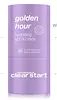
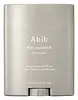
This chemical sunscreen covers most of the UV range, lighter on the deep UVA that drives aging.
This chemical sunscreen covers most of the UV range, lighter on the deep UVA that drives aging, though its SPF isn't confirmed on file yet.


What's inside
What's inside
 Key Ingredients
Benefits
Concerns
Ingredients Side-by-side
Butyl Methoxydibenzoylmethane
UV Absorber
Ethylhexyl Salicylate
UV Absorber
Octocrylene
UV Absorber

Octyldodecanol
Emollient
C12-15 Alkyl Benzoate
AntimicrobialButyloctyl Salicylate
Skin Conditioning
Dibutyl Ethylhexanoyl Glutamide
Skin ConditioningDibutyl Lauroyl Glutamide
Skin ConditioningDiisostearyl Malate
EmollientDextrin Palmitate
Emulsifying

Squalane
Emollient


Calcium Sodium Borosilicate
Simmondsia Chinensis Seed Oil
Emollient

Meadowfoam Estolide
Skin ConditioningPentaerythrityl Tetra-Di-T-Butyl Hydroxyhydrocinnamate
Antioxidant
Isostearyl Alcohol
Emollient
CI 77891
Cosmetic ColorantCarthamus Tinctorius Seed Oil
Masking
Malic Acid
Buffering



Tin Oxide
Abrasive
CI 77491
Cosmetic ColorantSalix Alba Bark Extract
Astringent

Palmitic Acid
Emollient

Butyl Methoxydibenzoylmethane, Ethylhexyl Salicylate, Octocrylene, Octyldodecanol, C12-15 Alkyl Benzoate, Butyloctyl Salicylate, Dibutyl Ethylhexanoyl Glutamide, Dibutyl Lauroyl Glutamide, Diisostearyl Malate, Dextrin Palmitate, Squalane, Calcium Sodium Borosilicate, Simmondsia Chinensis Seed Oil, Meadowfoam Estolide, Pentaerythrityl Tetra-Di-T-Butyl Hydroxyhydrocinnamate, Isostearyl Alcohol, CI 77891, Carthamus Tinctorius Seed Oil, Malic Acid, Tin Oxide, CI 77491, Salix Alba Bark Extract, Palmitic Acid
Dimethicone
Emollient
Synthetic Wax
Abrasive
Homosalate
Skin Conditioning
Silica
Abrasive
Isoeicosane
EmollientOctocrylene
UV Absorber
Phenylpropyldimethylsiloxysilicate
EmollientEthylhexyl Salicylate
UV Absorber
Isopropyl Palmitate
Emollient
Diisostearyl Malate
EmollientButyloctyl Salicylate
Skin Conditioning
Isononyl Isononanoate
EmollientButyl Methoxydibenzoylmethane
UV Absorber
Phenethyl Benzoate
Emollient

Diethylhexyl Carbonate
EmollientSynthetic Fluorphlogopite
Hydrogenated Vegetable Oil
Emollient
Polyethylene
Abrasive
Bis-Behenyl/Isostearyl/Phytosteryl Dimer Dilinoleyl Dimer Dilinoleate
EmollientDimethicone/Vinyl Dimethicone Crosspolymer
Skin Conditioning
Ethylene/Propylene Copolymer
Abrasive
Camellia Japonica Seed Oil
Emollient
Silica Dimethyl Silylate
EmollientDimethicone Crosspolymer
Emulsion Stabilising
Euphorbia Cerifera Wax
Vinyl Dimethicone/Methicone Silsesquioxane Crosspolymer
Copernicia Cerifera Wax
Lecithin
Emollient
Pentaerythrityl Tetra-Di-T-Butyl Hydroxyhydrocinnamate
Antioxidant
Allantoin
Skin Conditioning
Ectoin
Skin Conditioning
Helianthus Annuus Seed Oil Unsaponifiables
Emollient
Dimethicone, Synthetic Wax, Homosalate, Silica, Isoeicosane, Octocrylene, Phenylpropyldimethylsiloxysilicate, Ethylhexyl Salicylate, Isopropyl Palmitate, Diisostearyl Malate, Butyloctyl Salicylate, Isononyl Isononanoate, Butyl Methoxydibenzoylmethane, Phenethyl Benzoate, Diethylhexyl Carbonate, Synthetic Fluorphlogopite, Hydrogenated Vegetable Oil, Polyethylene, Bis-Behenyl/Isostearyl/Phytosteryl Dimer Dilinoleyl Dimer Dilinoleate, Dimethicone/Vinyl Dimethicone Crosspolymer, Ethylene/Propylene Copolymer, Camellia Japonica Seed Oil, Silica Dimethyl Silylate, Dimethicone Crosspolymer, Euphorbia Cerifera Wax, Vinyl Dimethicone/Methicone Silsesquioxane Crosspolymer, Copernicia Cerifera Wax, Lecithin, Pentaerythrityl Tetra-Di-T-Butyl Hydroxyhydrocinnamate, Allantoin, Ectoin, Helianthus Annuus Seed Oil Unsaponifiables
Reviews
Ingredients Explained
These ingredients are found in both products.
Ingredients higher up in an ingredient list are typically present in a larger amount.
Also known as Avobenzone, this ingredient is an oil-soluble used to absorb the full spectrum of UVA rays (peak 357 nm).
It's one of the most effective UVA filters available but has a major caveat of photostability: avobenzone is susceptible to photodegradation.
This means it can lose efficacy when exposed to sunlight without the help of a stabilizing agent.
Studies show antioxidants (like vitamin E or vitamin C) and some UV filters (like octocrylene and Tinosorb S) can meaningfully improve its stability in a formulation.
The maximum allowable concentration according to regulation is 3% in the US + Canada, and 5% in the EU, Australia, China, Korea, and ASEAN countries.
It has a well-support safety profile: a comprehensive 2025 review found minimal toxicity with no evidence of carcinogenicity.
Overall, avobenzone is a safe and regulated ingredient used in sunscreen for over 40 years.
Learn more about Butyl MethoxydibenzoylmethaneButyloctyl Salicylate is a chemical UV filter structurally similar to octisalate. It is a photostabilizer, SPF booster, emollient and solvent. This ingredient helps evenly spread out ingredients.
According to a manufacturer, it is suitable for pairing with micro Titanium Dioxide, Zinc Oxide, and pigments.
Photostabilizers help stabilize UV-filters and prevents them from degrading quickly.
Learn more about Butyloctyl SalicylateDiisostearyl Malate is an emollient and most often used in lip products. It comes from isostearyl alcohol, a fatty acid, and malic acid, an AHA.
As an emollient, Diisostearyl Malate helps create a thin film on your skin to trap moisture in. This helps keep your skin soft and smooth.
Ethylhexyl Salicylate (also called Octisalate or Octyl Salicylate) is an oil-soluble organic UV filter that's been used in sunscreen since the 1950's.
It absorbs UVB light in the 280-320 nm range with a peak absorbance around 306 nm.
You'll often see it paired with other UV filters to boost overall SPF because octisalate is a fairly week filter on its own.
The reason you'll see it so often is because it can help solubilize and stabilize the trickier filters like oxybenzone and avobenzone.
Unlike these filters, octisalate has pretty good photostability and doesn't create skin-damaging free radicals when exposed to sunlight.
The fatty-alcohol part of the molecule also gives it a light, emollient feel so it doubles as a nice texture enhancer.
Usage levels vary around the world:
Safety-wise, this ingredient has a pretty reassuring track record. The EU's Scientific Committee on Consumer Products (SCCP) found very low skin penetration in human skin tests and negative results for irritation, phototoxicity, and photoallergy.
The real-world allergy risk is pretty low too; a 2012 European study of 1,031 people recorded only 2 reactions to it (a rate of 0.19%).
You might have seen scary headlines about sunscreen getting into your blood.
In 2019, the FDA found that several chemical filters can absorb through the skin and show up in the bloodstream at small but measurable levels.
Here's the important part: these tiny levels are just a cutoff the FDA uses to decide which ingredients need more testing and doesn't mean anything harmful was found.
The researchers were clear that the results are no reason to stop wearing sunscreen.
Learn more about Ethylhexyl SalicylateOctocrylene is an oil-soluble organic UV filter that mainly absorbs UVB and short wave UVA II light.
Its real superpower is teamwork: octocrylene is remarkably photostable and is most famous for stabilizing avobenzone (the workhorse UVA filter).
This ingredient is commonly used to enhance both UVB and UVA protection due to its unique property in stabilizing avobenzone. It also pulls double duty by boosting water resistance and giving formulas a smooth, spreadable feel.
The EU's Scientific Committee on Consumer Safety (SCCS) has deemed octocrylene to be safe as a UV-filter at concentrations up to 10% (capped at 9% in propellant sprays). The US also permits it up to 10%.
Two things worth knowing:
You'll usually see this ingredient used in concentrations between 2-10% (higher amounts when used as a stabilizer for avobenzone).
Learn more about OctocrylenePentaerythrityl Tetra-Di-T-Butyl Hydroxyhydrocinnamate (long name, huh?) is a synthetic antioxidant.
It is used to help stabilize other antioxidants or prevent the color from changing in a product.
As an antioxidant, it helps fight free-radical molecules. Free-radical molecules are capable of damaging our cells and other genetic material. Thus, antioxidants may reduce the signs of aging.
This ingredient is oil-soluble.
Learn more about Pentaerythrityl Tetra-Di-T-Butyl Hydroxyhydrocinnamate

