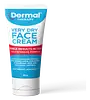
This barrier-repair moisturizer is formulated around Urea and Colloidal Oatmeal to strengthen the skin barrier and hydrate skin.
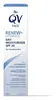
This anti-aging day moisturizer is formulated around Niacinamide to soften the look of wrinkles.

What's inside
What's inside
 Key Ingredients
Benefits
Concerns
Ingredients Side-by-side
Water
Skin ConditioningUrea
Buffering



Paraffinum Liquidum
Emollient


Isohexadecane
EmollientDicaprylyl Carbonate
EmollientCetearyl Alcohol
Emollient





Glycerin
Humectant
Propanediol
Solvent
Dimethicone
Emollient
Ceteareth-20
CleansingColloidal Oatmeal
Absorbent

Glyceryl Stearate Citrate
Emollient
Hydrogenated Castor Oil
Emollient
Hydroxyacetophenone
Antioxidant
Glyceryl Caprylate
EmollientAcrylates/C10-30 Alkyl Acrylate Crosspolymer
Emulsion StabilisingSodium Lactate
Buffering
Ceteareth-25
CleansingSodium Hyaluronate
Humectant

Disodium EDTA
Sodium Hydroxide
BufferingCaprooyl Sphingosine
Skin ConditioningCaprooyl Phytosphingosine
Skin Conditioning
Ceramide AP
Skin Conditioning
Ceramide EOP
Skin Conditioning
Ceramide Eos
Skin Conditioning
Ceramide Ns
Skin Conditioning
Ceramide NP
Skin Conditioning
Cholesterol
Emollient
Behenic Acid
Cleansing
Cetyl Alcohol
Emollient
Water, Urea, Paraffinum Liquidum, Isohexadecane, Dicaprylyl Carbonate, Cetearyl Alcohol, Glycerin, Propanediol, Dimethicone, Ceteareth-20, Colloidal Oatmeal, Glyceryl Stearate Citrate, Hydrogenated Castor Oil, Hydroxyacetophenone, Glyceryl Caprylate, Acrylates/C10-30 Alkyl Acrylate Crosspolymer, Sodium Lactate, Ceteareth-25, Sodium Hyaluronate, Disodium EDTA, Sodium Hydroxide, Caprooyl Sphingosine, Caprooyl Phytosphingosine, Ceramide AP, Ceramide EOP, Ceramide Eos, Ceramide Ns, Ceramide NP, Cholesterol, Behenic Acid, Cetyl Alcohol
Water
Skin ConditioningIsopropyl Palmitate
Emollient
C12-15 Alkyl Benzoate
AntimicrobialDiisopropyl Adipate
EmollientPropylene Glycol Dibenzoate
Skin ConditioningNiacinamide
Smoothing





Methylene Bis-Benzotriazolyl Tetramethylbutylphenol
UV Filter
Bis-Ethylhexyloxyphenol Methoxyphenyl Triazine
Skin Conditioning
Neopentyl Glycol Diheptanoate
EmollientGlycerin
Humectant
PEG-100 Stearate
Surfactant
Butylene Glycol
Humectant
Cetyl Alcohol
Emollient
Paraffinum Liquidum
Emollient
Glyceryl Stearate
Emollient
Potassium Cetyl Phosphate
EmulsifyingCarthamus Tinctorius Seed Oil
Masking
Magnesium Aluminum Silicate
Absorbent
Decyl Glucoside
Cleansing
Polyacrylic Acid
Emulsion StabilisingAminomethyl Propanol
BufferingMethylparaben
Preservative


Propylparaben
Preservative
Dichlorobenzyl Alcohol
Antimicrobial
Xanthan Gum
EmulsifyingPropylene Glycol
Humectant
Water, Isopropyl Palmitate, C12-15 Alkyl Benzoate, Diisopropyl Adipate, Propylene Glycol Dibenzoate, Niacinamide, Methylene Bis-Benzotriazolyl Tetramethylbutylphenol, Bis-Ethylhexyloxyphenol Methoxyphenyl Triazine, Neopentyl Glycol Diheptanoate, Glycerin, PEG-100 Stearate, Butylene Glycol, Cetyl Alcohol, Paraffinum Liquidum, Glyceryl Stearate, Potassium Cetyl Phosphate, Carthamus Tinctorius Seed Oil, Magnesium Aluminum Silicate, Decyl Glucoside, Polyacrylic Acid, Aminomethyl Propanol, Methylparaben, Propylparaben, Dichlorobenzyl Alcohol, Xanthan Gum, Propylene Glycol
Reviews
Ingredients Explained
These ingredients are found in both products.
Ingredients higher up in an ingredient list are typically present in a larger amount.
Cetyl Alcohol is a fatty alcohol. Fatty Alcohols are most often used as an emollient or to thicken a product.
Its main roles are:
Though it has "alcohol" in the name, it is not related to denatured alcohol or ethyl alcohol.
The FDA allows products labeled "alcohol-free" to have fatty alcohols.
This ingredient may not be fungal acne safe. It is a primary fatty alcohol with a chain length above 12 carbons. A study from 2019 show Malassezia can feed on fatty alcohols in this range, so it may trigger fungal acne in those prone to it.
Learn more about Cetyl AlcoholGlycerin (or glycerol) is a compound naturally found in your skin. It's a powerhouse humectant that pulls water into the stratum corneum.
Topically, glycerin does several things at once:
Your skin makes glycerin on its own (mostly from sebaceous oil breakdown) and shuttles it to your outermost layer of skin, or your epidermis, via aquaporin-3.
Aquaporin-3 is a transporter that is essential for normal skin hydration, elasticity, and repair. Interestingly, mice lacking in AQP3 have dry and less elastic skin that can be fully corrected with glycerin.
This ingredient is non-irritating, plays well with almost every ingredient, and works across all skin types. Typical use is anywhere between 3-10% but can go up to 79% in some leave-on products.
Just know very high concentrations (>40%) can feel tacky in low humidity.
Glycerin is the name for this ingredient in American English. British English uses Glycerol/Glycerine.
Learn more about GlycerinParaffinum Liquidum is a highly-refined cosmetic-grade mineral oil. It is also known as liquid paraffin.
Despite its controversial reputation, the science is pretty clear: it's one of the most well-studied and effective moisturizing ingredients out there.
As an occlusive, it forms a protective layer on the skin that locks in moisture and prevents transepidermal water loss (TEWL). This makes it especially great for compromised skin barriers.
The "it clogs your pores" myth has been around for decades; a study found that industrial-grade mineral oil may be comedogenic but cosmetic-grade mineral oil is not (these two are very, very different).
A 2017 review concluded that cosmetic use of mineral oils and waxes does not present a risk to consumers due to absorption.
Mineral oil got a bad rap from the old rabbit ear studies. When tested on actual human skin, cosmetic-grade mineral oil showed no comedogenic activity. The rating of 0 is a correction of outdated science.
Mineral oil is an inert substance with no fatty acids so there's nothing to feed Malassezia. This ingredient is fungal acne safe.
Learn more about Paraffinum LiquidumWater. It's the most common cosmetic ingredient of all. You'll usually see it at the top of ingredient lists, meaning that it makes up the largest part of the product.
So why is it so popular? Water most often acts as a solvent - this means that it helps dissolve other ingredients into the formulation.
You'll also recognize water as that liquid we all need to stay alive. If you see this, drink a glass of water. Remember to stay hydrated!
Learn more about Water

