

What's inside
What's inside
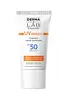 Key Ingredients
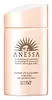
Benefits
Concerns
Ingredients Side-by-side
Water
Skin ConditioningButylene Glycol
Humectant

C12-15 Alkyl Benzoate
AntimicrobialEthylhexyl Methoxycinnamate
UV Absorber


Diethylamino Hydroxybenzoyl Hexyl Benzoate
UV Filter
Bis-Ethylhexyloxyphenol Methoxyphenyl Triazine
Skin Conditioning
Dimethicone
Emollient

Cyclopentasiloxane
Emollient
Titanium Dioxide
Cosmetic Colorant
Silica
Abrasive


Cyclohexasiloxane
Emollient
Ethylhexyl Triazone
UV Absorber
Polyacrylate-13
Aluminum Stearate
Cosmetic ColorantAlumina
Abrasive
Polyhydroxystearic Acid
Emulsifying
Glycerin
Humectant
Carbomer
Emulsion StabilisingTocopheryl Acetate
Antioxidant


Aloe Barbadensis Leaf Extract
Emollient

PEG-7 Glyceryl Cocoate
Emulsifying

Ceramide NP
Skin Conditioning

Ophiopogon Japonicus Root Extract
Skin ConditioningEthyl Linoleate
Emollient
Disodium EDTA
Phenoxyethanol
Preservative
Chlorphenesin
Antimicrobial
Water, Butylene Glycol, C12-15 Alkyl Benzoate, Ethylhexyl Methoxycinnamate, Diethylamino Hydroxybenzoyl Hexyl Benzoate, Bis-Ethylhexyloxyphenol Methoxyphenyl Triazine, Dimethicone, Cyclopentasiloxane, Titanium Dioxide, Silica, Cyclohexasiloxane, Ethylhexyl Triazone, Polyacrylate-13, Aluminum Stearate, Alumina, Polyhydroxystearic Acid, Glycerin, Carbomer, Tocopheryl Acetate, Aloe Barbadensis Leaf Extract, PEG-7 Glyceryl Cocoate, Ceramide NP, Ophiopogon Japonicus Root Extract, Ethyl Linoleate, Disodium EDTA, Phenoxyethanol, Chlorphenesin
Water
Skin ConditioningDimethicone
Emollient
Diisopropyl Sebacate
EmollientButylene Glycol
Humectant
Caprylyl Methicone
Skin Conditioning
Cetyl Ethylhexanoate
EmollientTitanium Dioxide
Cosmetic Colorant
Pentaerythrityl Tetraethylhexanoate
Emollient
Triethylhexanoin
MaskingDiethylhexyl Succinate
EmollientZinc Oxide
Cosmetic Colorant
Dipropylene Glycol
HumectantSilica
Abrasive
Glycerin
Humectant
PEG-9 Polydimethylsiloxyethyl Dimethicone
Emulsifying
Diethylamino Hydroxybenzoyl Hexyl Benzoate
UV Filter
Bis-Ethylhexyloxyphenol Methoxyphenyl Triazine
Skin Conditioning
PEG/PPG-14/7 Dimethyl Ether
Skin ConditioningSodium Chloride
MaskingThiotaurine
Antioxidant
Potentilla Erecta Root Extract
Skin ConditioningDipotassium Glycyrrhizate
Humectant
Angelica Keiskei Leaf/Stem Extract
Skin ConditioningSodium Acetylated Hyaluronate
Humectant
PEG-10 Dimethicone
Skin Conditioning
Aluminum Hydroxide
EmollientDisteardimonium Hectorite
StabilisingEthylhexyl Triazone
UV Absorber
PEG-12 Dimethicone
Skin Conditioning
Stearic Acid
Cleansing
Hydrogen Dimethicone
Beheneth-20
EmulsifyingSodium Citrate
BufferingCitric Acid
Buffering

Sodium Metaphosphate
BufferingSodium Metabisulfite
Antioxidant
Prunus Yedoensis Leaf Extract
Skin ConditioningCarbomer
Emulsion StabilisingTrifluoropropyldimethyl/Trimethylsiloxysilicate
EmollientTocopherol
Antioxidant
Phenoxyethanol
Preservative
Benzoic Acid
Masking
CI 77120
Cosmetic ColorantWater, Dimethicone, Diisopropyl Sebacate, Butylene Glycol, Caprylyl Methicone, Cetyl Ethylhexanoate, Titanium Dioxide, Pentaerythrityl Tetraethylhexanoate, Triethylhexanoin, Diethylhexyl Succinate, Zinc Oxide, Dipropylene Glycol, Silica, Glycerin, PEG-9 Polydimethylsiloxyethyl Dimethicone, Diethylamino Hydroxybenzoyl Hexyl Benzoate, Bis-Ethylhexyloxyphenol Methoxyphenyl Triazine, PEG/PPG-14/7 Dimethyl Ether, Sodium Chloride, Thiotaurine, Potentilla Erecta Root Extract, Dipotassium Glycyrrhizate, Angelica Keiskei Leaf/Stem Extract, Sodium Acetylated Hyaluronate, PEG-10 Dimethicone, Aluminum Hydroxide, Disteardimonium Hectorite, Ethylhexyl Triazone, PEG-12 Dimethicone, Stearic Acid, Hydrogen Dimethicone, Beheneth-20, Sodium Citrate, Citric Acid, Sodium Metaphosphate, Sodium Metabisulfite, Prunus Yedoensis Leaf Extract, Carbomer, Trifluoropropyldimethyl/Trimethylsiloxysilicate, Tocopherol, Phenoxyethanol, Benzoic Acid, CI 77120
Reviews
Ingredients Explained
These ingredients are found in both products.
Ingredients higher up in an ingredient list are typically present in a larger amount.
You might know this ingredient as Tinosorb S or Bemotrizinol. It is a UV filter that covers both UVA and UVB rays.
This ingredient has two peak UV absorption peaks ( 310 and 340 nm) and is able to absorb both UV-A and UV-B rays. This ingredient works by preventing UV rays from reaching and damaging your skin.
On top of that - it is highly photostable and helps prevent the photodegration of other sunscreen ingredients such as avobenzone.
Tinosorb S is allowed in the EU, Australia, and Asia. It is close to being approved by the FDA and we'll hopefully get this ingredient in the U.S. by late 2026.
Fun fact: Tinosorb S is the most effective UV absorber at maximum concentration (measured by SPF) permitted in the EU.
This ingredient is oil-soluble, so your oil-cleansers will take this right off at night.
Learn more about Bis-Ethylhexyloxyphenol Methoxyphenyl TriazineButylene Glycol (or BG) is used within cosmetic products for a few different reasons:
Overall, Butylene Glycol is a safe and well-rounded ingredient that works well with other ingredients.
Though this ingredient works well with most skin types, some people with sensitive skin may experience a reaction such as allergic rashes, closed comedones, or itchiness.
Learn more about Butylene GlycolCarbomer is a high-molecular weight polymer of acrylic acid. It is used to form gels and thicken formulas.
Due to its large molecular size, carbomer has minimal skin penetration and is considered an inert ingredient.
A high amount of carbomer can cause pilling or balling up of products. Don't worry, most products contain 1% or less of carbomer.
Learn more about CarbomerDiethylamino Hydroxybenzoyl Hexyl Benzoate (DHHB) is a chemical UV-A absorber. It is formulated for high UVA protection (320-400 nm).
DHHB is well-liked for:
DHHB has been approved by the EU, Japan, Taiwan, and South America for use up to 10%. Unfortunately, it has not been approved for use in the US or Canada due to slow regulatory processes.
This ingredient is soluble in oils, fats, and lipids.
Learn more about Diethylamino Hydroxybenzoyl Hexyl BenzoateDimethicone is a type of synthetic silicone created from natural materials such as quartz. It is also known as polydimethylsiloxane.
What it does:
Dimethicone comes in different viscosities:
Depending on the viscosity, dimethicone has different properties.
Ingredients lists don't always show which type is used, so we recommend reaching out to the brand if you have questions about the viscosity.
This ingredient is unlikely to cause irritation because it does not get absorbed into skin. However, people with silicone allergies should be careful about using this ingredient.
Note: Dimethicone may contribute to pilling. This is because it is not oil or water soluble, so pilling may occur when layered with products. When mixed with heavy oils in a formula, the outcome is also quite greasy.
Learn more about DimethiconeEthylhexyl Triazone is a modern chemical sunscreen that protects from UV-B radiation.
It is the most effective of existing UV-B filters, as it provides the highest level of photo-stable absorption. It protects from the entire UV-B range (280 to 320nm), with it's highest level of protection at 314nm.
Ethylhexyl Triazone is oil soluble, oderless and colorless, which mean it is able to be incorporated into a variety of different formulations.
It is not currently available within the United States due to slow changing FDA regulations. Outside of the US, it is used in formulations at concentrations up to 5%.
Learn more about Ethylhexyl TriazoneGlycerin (or glycerol) is a compound naturally found in your skin. It's a powerhouse humectant that pulls water into the stratum corneum.
Topically, glycerin does several things at once:
Your skin makes glycerin on its own (mostly from sebaceous oil breakdown) and shuttles it to your outermost layer of skin, or your epidermis, via aquaporin-3.
Aquaporin-3 is a transporter that is essential for normal skin hydration, elasticity, and repair. Interestingly, mice lacking in AQP3 have dry and less elastic skin that can be fully corrected with glycerin.
This ingredient is non-irritating, plays well with almost every ingredient, and works across all skin types. Typical use is anywhere between 3-10% but can go up to 79% in some leave-on products.
Just know very high concentrations (>40%) can feel tacky in low humidity.
Glycerin is the name for this ingredient in American English. British English uses Glycerol/Glycerine.
Learn more about GlycerinPhenoxyethanol is a preservative that has germicide, antimicrobial, and aromatic properties. Studies show that phenoxyethanol can prevent microbial growth. By itself, it has a scent that is similar to that of a rose.
It's often used in formulations along with Caprylyl Glycol to preserve the shelf life of products.
Silica, also known as silicon dioxide, is a naturally occurring mineral. It is used as a fine, spherical, and porous powder in cosmetics.
Though it has exfoliant properties, the function of silica varies depending on the product.
The unique structure of silica enhances the spreadability and adds smoothness, making it a great texture enhancer.
It is also used as an active carrier, emulsifier, and mattifier due to its ability to absorb excess oil.
In some products, tiny microneedles called spicules are made from silica or hydrolyzed sponge. When you rub them in, they lightly polish away dead skin layers and enhance the penetration of active ingredients.
Learn more about SilicaTitanium dioxide is a mineral UV filter widely used in sunscreens and cosmetics.
It is one of only two UV filters officially classified as “mineral” by regulatory agencies, the other being zinc oxide.
Titanium dioxide provides broad-spectrum protection mostly in the UVB and UVAII range, with some protection in the UVAI range.
While its UVA protection isn’t as strong as zinc oxide’s, the difference is minor.
A common myth is that mineral UV filters reflect UV light. However, modern research shows titanium dioxide absorbs UV radiation like chemical filters (~95% absorption & 5% reflection).
Thanks to its non-irritating nature, titanium dioxide is suitable for sensitive, acne-prone, or redness-prone skin. It is unlikely to cause "eye sting" like other sunscreen ingredients.
A major drawback of this ingredient is its white cast and thick texture. This is why mineral sunscreens often leave a white cast and are less cosmetically elegant than chemical/hybrid sunscreens.
To improve white cast and spreadability, micronized or nano-sized titanium dioxide is often used.
There are ongoing concerns surrounding nano-titanium oxide's impact on marine ecosystems.
There is no conclusive evidence that any form of titanium oxide (or any other sunscreen ingredients) will cause harm to marine ecosystems or coral reefs. The science is still developing but many consumers are keeping a close eye on this issue.
Please note, many destinations have reef-safety sunscreen rules. For instance, the U.S. Virgin Islands advises all visitors to use non-nano mineral sunscreens.
Nano mineral sunscreens once raised safety concerns about absorption into skin.
Extensive research has shown that they do not penetrate healthy or damaged skin; they remain safely on the surface and the top layer of dead skin (stratum corneum).
You'll likely find titanium dioxide bundled with alumina, silica, or dimethicone. These ingredients help make titanium dioxide highly photostable; this prevents it from interacting with other formula components under UV light.
Learn more about Titanium DioxideWater. It's the most common cosmetic ingredient of all. You'll usually see it at the top of ingredient lists, meaning that it makes up the largest part of the product.
So why is it so popular? Water most often acts as a solvent - this means that it helps dissolve other ingredients into the formulation.
You'll also recognize water as that liquid we all need to stay alive. If you see this, drink a glass of water. Remember to stay hydrated!
Learn more about Water
