
What's inside
What's inside
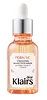 Key Ingredients
Benefits
Ingredients Side-by-side
Water
Skin ConditioningButylene Glycol
Humectant

Glycerin
Humectant
Niacinamide
Smoothing









1,2-Hexanediol
Skin Conditioning
Sodium Dna
Skin Conditioning
Arginine
Masking
Carbomer
Emulsion StabilisingPolyacrylate Crosspolymer-6
Emulsion StabilisingCaesalpinia Spinosa Fruit Extract
Skin ProtectingEthylhexylglycerin
Skin ConditioningCaprylyl Glycol
Emollient
Adenosine
Skin Conditioning
Kappaphycus Alvarezii Extract
Skin ConditioningSodium Phytate
Polyglyceryl-10 Laurate
Skin Conditioning
Glyceryl Acrylate/Acrylic Acid Copolymer
HumectantPolyglyceryl-4 Laurate
Emulsifying
Nicotinamide Mononucleotide
Antioxidant
Pvm/Ma Copolymer
Emulsion StabilisingCaprylyl/Capryl Glucoside
CleansingPrunella Vulgaris Extract
Antioxidant
Opuntia Ficus-Indica Fruit Extract
Skin ConditioningFucus Vesiculosus Extract
Emollient
Centella Asiatica Extract
Cleansing
Disodium EDTA
Acetyl Hexapeptide-1
Skin Conditioning
Acetyl Hexapeptide-8
Humectant
Copper Tripeptide-1
Skin Conditioning
Hydrogenated Lecithin
Emulsifying
Ascorbic Acid
Antioxidant
3-O-Ethyl Ascorbic Acid
Skin Conditioning
Sodium Ascorbyl Phosphate
Antioxidant
Ascorbyl Glucoside
Antioxidant
Ascorbyl Palmitate
Antioxidant
Octyldodecanol
Emollient
Astaxanthin
Skin Conditioning
Water, Butylene Glycol, Glycerin, Niacinamide, 1,2-Hexanediol, Sodium Dna, Arginine, Carbomer, Polyacrylate Crosspolymer-6, Caesalpinia Spinosa Fruit Extract, Ethylhexylglycerin, Caprylyl Glycol, Adenosine, Kappaphycus Alvarezii Extract, Sodium Phytate, Polyglyceryl-10 Laurate, Glyceryl Acrylate/Acrylic Acid Copolymer, Polyglyceryl-4 Laurate, Nicotinamide Mononucleotide, Pvm/Ma Copolymer, Caprylyl/Capryl Glucoside, Prunella Vulgaris Extract, Opuntia Ficus-Indica Fruit Extract, Fucus Vesiculosus Extract, Centella Asiatica Extract, Disodium EDTA, Acetyl Hexapeptide-1, Acetyl Hexapeptide-8, Copper Tripeptide-1, Hydrogenated Lecithin, Ascorbic Acid, 3-O-Ethyl Ascorbic Acid, Sodium Ascorbyl Phosphate, Ascorbyl Glucoside, Ascorbyl Palmitate, Octyldodecanol, Astaxanthin
Propanediol
Solvent
Ascorbic Acid
Antioxidant
Butylene Glycol
Humectant
Glycerin
Humectant
Pentylene Glycol
Skin Conditioning
Candida Bombicola/Glucose/Methyl Rapeseedate Ferment
AntimicrobialGlyceryl Glucoside
Humectant
3-O-Ethyl Ascorbic Acid
Skin Conditioning
Panthenol
Skin Conditioning
Ammonium Acryloyldimethyltaurate/Vp Copolymer
Prunus Armeniaca Kernel Oil
Masking
Sodium Polyacrylate
Absorbent
Polyquaternium-10
Adenosine
Skin Conditioning
Ferulic Acid
Antimicrobial
Ectoin
Skin Conditioning
Glutathione
Oryza Sativa Bran Oil
Emollient
Tocotrienols
Skin Conditioning
Tocopherol
Antioxidant
Propanediol, Ascorbic Acid, Butylene Glycol, Glycerin, Pentylene Glycol, Candida Bombicola/Glucose/Methyl Rapeseedate Ferment, Glyceryl Glucoside, 3-O-Ethyl Ascorbic Acid, Panthenol, Ammonium Acryloyldimethyltaurate/Vp Copolymer, Prunus Armeniaca Kernel Oil, Sodium Polyacrylate, Polyquaternium-10, Adenosine, Ferulic Acid, Ectoin, Glutathione, Oryza Sativa Bran Oil, Tocotrienols, Tocopherol
Reviews
Ingredients Explained
These ingredients are found in both products.
Ingredients higher up in an ingredient list are typically present in a larger amount.
You might know this ingredient as Ethyl Ascorbic Acid, a more stable version of ascorbic acid.
Like other types of vitamin C, this ingredient has many benefits including reducing wrinkles, skin soothing, dark spot fading, and fighting against free radicals.
3-O-Ethyl Ascorbic Acid interferes with the process of skin darkening, helping to reduce hyperpigmentation. It also encourages the skin to produce more collagen.
Once applied, 3-O-Ethyl Ascorbic Acid is converted to Vitamin C deeper in the skin's layers. This process is slow but makes this ingredient more tolerable for skin.
The optimum pH range for this ingredient is 4 - 5.5
Learn more about 3-O-Ethyl Ascorbic AcidAdenosine is in every living organism. It is one of four components in nucleic acids that helps store our DNA.
Adenosine has many benefits when used. These benefits include hydrating the skin, smoothing skin, and reducing wrinkles. Once applied, adenosine increases collagen production. It also helps with improving firmness and tissue repair.
Studies have found adenosine may also help with wound healing.
In skincare products, Adenosine is usually derived from yeast.
Learn more about AdenosineAscorbic Acid is is pure Vitamin C and is the biologically active form used directly by skin.
Not only is vitamin C great for your overall health and immune system, but it also has plenty of benefits for your skin. It is best supported by academic literature for:
Topical vitamin C has been shown to help neutralize oxidative stress from UV and pollution, helping to improve photoaging and hyperpigmentation when used consistently.
One clinical study found that using 5% topical vitamin C for six months improved signs of photodamaged skin, both on the surface and in the deeper structural layers of the skin.
While vitamin C doesn’t replace sunscreen, studies show it can boost photoprotection when combined with Vitamin E and ferulic acid. These two ingredients help improve stability and protective effects.
The big downside of this ingredient is formulation difficulty. Vitamin C is prone to oxidation and doesn't penetrate the skin unless formulated correctly. Research found that vitamin C absorbs into the skin best at a low pH (< 3.5) with about 20% being the upper limit for effective absorption.
Skin levels can saturate after repeated application; this means your skin won’t keep absorbing more once it’s full of vitamin C. This is why more isn’t always better with vitamin C and why very high concentrations don’t necessarily give extra benefits.
Ascorbic acid generally works well with many skincare ingredients but can be irritating when combined with other active ingredients. Strong oxidizing acne treatments like benzoyl peroxide can reduce the effectiveness of vitamin C if they are used at the same time; they are often recommended for use at different times of day.
Read more about other types of Vitamin C:
Foods rich with vitamin C include oranges, strawberries, broccoli, bell peppers, and more. When consuming Vitamin C, your skin receives a portion of the nutrients.
Learn more about Ascorbic AcidButylene Glycol (or BG) is used within cosmetic products for a few different reasons:
Overall, Butylene Glycol is a safe and well-rounded ingredient that works well with other ingredients.
Though this ingredient works well with most skin types, some people with sensitive skin may experience a reaction such as allergic rashes, closed comedones, or itchiness.
Learn more about Butylene GlycolGlycerin (or glycerol) is a compound naturally found in your skin. It's a powerhouse humectant that pulls water into the stratum corneum.
Topically, glycerin does several things at once:
Your skin makes glycerin on its own (mostly from sebaceous oil breakdown) and shuttles it to your outermost layer of skin, or your epidermis, via aquaporin-3.
Aquaporin-3 is a transporter that is essential for normal skin hydration, elasticity, and repair. Interestingly, mice lacking in AQP3 have dry and less elastic skin that can be fully corrected with glycerin.
This ingredient is non-irritating, plays well with almost every ingredient, and works across all skin types. Typical use is anywhere between 3-10% but can go up to 79% in some leave-on products.
Just know very high concentrations (>40%) can feel tacky in low humidity.
Glycerin is the name for this ingredient in American English. British English uses Glycerol/Glycerine.
Learn more about Glycerin
