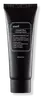
This calming moisturizer is formulated around Centella Asiatica Extract and Ceramide NP to calm redness and strengthen the skin barrier.
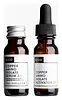
This serum is formulated around Lactococcus Ferment Lysate to support the skin barrier and reduce redness.


What's inside
What's inside
 Key Ingredients
Benefits
Concerns
Ingredients Side-by-side
Water
Skin ConditioningCetyl Ethylhexanoate
EmollientButylene Glycol
Humectant

Glycerin
Humectant
Sodium Hyaluronate
Humectant


Caprylic/Capric Triglyceride
Masking
Centella Asiatica Extract
Cleansing

Sorbitan Stearate
Emulsifying

Cetyl Alcohol
Emollient
Butyrospermum Parkii Butter
Skin Conditioning


Argania Spinosa Kernel Oil
Emollient


Simmondsia Chinensis Seed Oil
Emollient
Sorbitan Sesquioleate
Emulsifying
Glyceryl Stearate
Emollient
Stearic Acid
Cleansing
Portulaca Oleracea Extract
Skin Conditioning
Anthemis Nobilis Flower Extract
Masking
Ceramide NP
Skin Conditioning
Polysorbate 60
Emulsifying
Candelilla Cera
Emollient
Chlorphenesin
Antimicrobial
Tocopheryl Acetate
Antioxidant


Xanthan Gum
EmulsifyingAcrylates/C10-30 Alkyl Acrylate Crosspolymer
Emulsion StabilisingMorus Alba Root Extract
BleachingTromethamine
BufferingBrassica Oleracea Italica Extract
AstringentGuaiazulene
Antimicrobial
Acetyl Hexapeptide-8
Humectant
Lecithin
Emollient
Acetyl Glutamine
Skin ConditioningSh-Oligopeptide-1
Skin Conditioning
Sh-Oligopeptide-2
Skin Conditioning
Sh-Polypeptide-1
Skin Conditioning
Sh-Polypeptide-9
Skin Conditioning
Sh-Polypeptide-11
Bacillus/Folic Acid/Soybean Ferment Extract
Skin ConditioningCaprylyl Glycol
Emollient
1,2-Hexanediol
Skin Conditioning
Water, Cetyl Ethylhexanoate, Butylene Glycol, Glycerin, Sodium Hyaluronate, Caprylic/Capric Triglyceride, Centella Asiatica Extract, Sorbitan Stearate, Cetyl Alcohol, Butyrospermum Parkii Butter, Argania Spinosa Kernel Oil, Simmondsia Chinensis Seed Oil, Sorbitan Sesquioleate, Glyceryl Stearate, Stearic Acid, Portulaca Oleracea Extract, Anthemis Nobilis Flower Extract, Ceramide NP, Polysorbate 60, Candelilla Cera, Chlorphenesin, Tocopheryl Acetate, Xanthan Gum, Acrylates/C10-30 Alkyl Acrylate Crosspolymer, Morus Alba Root Extract, Tromethamine, Brassica Oleracea Italica Extract, Guaiazulene, Acetyl Hexapeptide-8, Lecithin, Acetyl Glutamine, Sh-Oligopeptide-1, Sh-Oligopeptide-2, Sh-Polypeptide-1, Sh-Polypeptide-9, Sh-Polypeptide-11, Bacillus/Folic Acid/Soybean Ferment Extract, Caprylyl Glycol, 1,2-Hexanediol
Water
Skin ConditioningLactococcus Ferment Lysate
Skin Conditioning
Glycerin
Humectant
Ethyl Linoleate
Emollient
Hydroxyethyl Acrylate/Sodium Acryloyldimethyl Taurate Copolymer
Emulsion StabilisingHexanoyl Dipeptide-3 Norleucine Acetate
Skin Conditioning
Myristoyl Nonapeptide-3
Skin Conditioning
Yeast Extract
Skin ConditioningSoy Amino Acids
Skin ConditioningBisabolol
Antioxidant
Pseudoalteromonas Exopolysaccharides
Skin ConditioningLecithin
Emollient
Sorbitan Isostearate
Emulsifying
Isohexadecane
EmollientPolysorbate 60
Emulsifying
Polyacrylate Crosspolymer-6
Emulsion StabilisingTrisodium Ethylenediamine Disuccinate
ChelatingSodium Salicylate
Preservative
Citric Acid
Buffering
Sodium Chloride
MaskingPotassium Sorbate
Preservative
Sodium Benzoate
Masking
Pentylene Glycol
Skin Conditioning
Ethoxydiglycol
HumectantPhenoxyethanol
Preservative
Chlorphenesin
Antimicrobial
Water, Lactococcus Ferment Lysate, Glycerin, Ethyl Linoleate, Hydroxyethyl Acrylate/Sodium Acryloyldimethyl Taurate Copolymer, Hexanoyl Dipeptide-3 Norleucine Acetate, Myristoyl Nonapeptide-3, Yeast Extract, Soy Amino Acids, Bisabolol, Pseudoalteromonas Exopolysaccharides, Lecithin, Sorbitan Isostearate, Isohexadecane, Polysorbate 60, Polyacrylate Crosspolymer-6, Trisodium Ethylenediamine Disuccinate, Sodium Salicylate, Citric Acid, Sodium Chloride, Potassium Sorbate, Sodium Benzoate, Pentylene Glycol, Ethoxydiglycol, Phenoxyethanol, Chlorphenesin
Reviews
Ingredients Explained
These ingredients are found in both products.
Ingredients higher up in an ingredient list are typically present in a larger amount.
Chlorphenesin is a synthetic preservative. It helps protect a product against bacteria in order to extend shelf life. In most cases, Chlorphenesin is paired with other preservatives such as phenoxyethanol and caprylyl glycol.
Chlorphenesin is a biocide. This means it is able to help fight the microorganisms on our skin. It is also able to fight odor-releasing bacteria.
Chlorphenesin is soluble in both water and glycerin.
Studies show Chlorphenesin is easily absorbed by our skin. You should speak with a skincare professional if you have concerns about using Chlorphenesin.
Learn more about ChlorphenesinGlycerin (or glycerol) is a compound naturally found in your skin. It's a powerhouse humectant that pulls water into the stratum corneum.
Topically, glycerin does several things at once:
Your skin makes glycerin on its own (mostly from sebaceous oil breakdown) and shuttles it to your outermost layer of skin, or your epidermis, via aquaporin-3.
Aquaporin-3 is a transporter that is essential for normal skin hydration, elasticity, and repair. Interestingly, mice lacking in AQP3 have dry and less elastic skin that can be fully corrected with glycerin.
This ingredient is non-irritating, plays well with almost every ingredient, and works across all skin types. Typical use is anywhere between 3-10% but can go up to 79% in some leave-on products.
Just know very high concentrations (>40%) can feel tacky in low humidity.
Glycerin is the name for this ingredient in American English. British English uses Glycerol/Glycerine.
Learn more about GlycerinLecithin is a term for a group of substances found in the cell membranes of plants, animals, and humans. They are made up of phospholipids.
Thanks to its amphiphilic structure (water-loving head and oil-loving tail), it is a true multitasker:
It plays well with most ingredients and is typically used at 0.1-1%. However, concentrations up to 50% have been reported in moisturizers.
Learn more about LecithinPolysorbate 60 is used to help stabilize products. It is a surfactant and emulsifier. These properties help keep ingredients together in a product. Surfactants help reduce surface tension between ingredients with different states, such as liquids and solids. Emulsifiers help prevent oils and waters from separating.
Polysorbate 60 is sorbitol-based and created from the ethoxylation of sorbitan. Ethoxylation is a chemical reaction used to add ethylene oxide. Sorbitan is a the dehydrated version of sorbitol, a sugar found in fruits.
In this case, the 60 comes from reacting 60 units of ethylene oxide with sorbitan.
Polysorbates are commonly used in medicine and foods.
Learn more about Polysorbate 60Water. It's the most common cosmetic ingredient of all. You'll usually see it at the top of ingredient lists, meaning that it makes up the largest part of the product.
So why is it so popular? Water most often acts as a solvent - this means that it helps dissolve other ingredients into the formulation.
You'll also recognize water as that liquid we all need to stay alive. If you see this, drink a glass of water. Remember to stay hydrated!
Learn more about Water

