

What's inside
What's inside
 Key Ingredients
Benefits
Concerns
Ingredients Side-by-side
Camellia Sinensis Leaf Water
Masking
Butylene Glycol
Humectant

Glycerin
Humectant
Water
Skin ConditioningEthylhexyl Palmitate
Emollient


Cetyl Ethylhexanoate
Emollient1,2-Hexanediol
Skin Conditioning
Pentaerythrityl Tetraethylhexanoate
Emollient
Panthenol
Skin Conditioning

Oryza Sativa Extract
Absorbent

Hibiscus Esculentus Fruit Extract
Skin ConditioningCamellia Sinensis Leaf Extract
Antimicrobial



Laminaria Japonica Extract
Skin Protecting
Artemisia Vulgaris Extract
Skin Conditioning
Centella Asiatica Extract
Cleansing
Rosmarinus Officinalis Leaf Extract
AntimicrobialPhytosphingosine
Skin Conditioning
Caproyl Sphingosine
Skin ConditioningTocopherol
Antioxidant
Glyceryl Glucoside
Humectant
Hydrolyzed Hyaluronic Acid
Humectant
Trehalose
Humectant
Jojoba Esters
Emollient
Helianthus Annuus Seed Oil
Emollient
Hydrolyzed Jojoba Esters
Skin Conditioning
Glyceryl Acrylate/Acrylic Acid Copolymer
HumectantCetyl Alcohol
Emollient

Hydrogenated Lecithin
Emulsifying
Ammonium Acryloyldimethyltaurate/Vp Copolymer
Hydrogenated Polydecene
EmollientEthylhexylglycerin
Skin ConditioningCyclohexasiloxane
Emollient
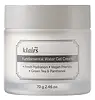
Camellia Sinensis Leaf Water, Butylene Glycol, Glycerin, Water, Ethylhexyl Palmitate, Cetyl Ethylhexanoate, 1,2-Hexanediol, Pentaerythrityl Tetraethylhexanoate, Panthenol, Oryza Sativa Extract, Hibiscus Esculentus Fruit Extract, Camellia Sinensis Leaf Extract, Laminaria Japonica Extract, Artemisia Vulgaris Extract, Centella Asiatica Extract, Rosmarinus Officinalis Leaf Extract, Phytosphingosine, Caproyl Sphingosine, Tocopherol, Glyceryl Glucoside, Hydrolyzed Hyaluronic Acid, Trehalose, Jojoba Esters, Helianthus Annuus Seed Oil, Hydrolyzed Jojoba Esters, Glyceryl Acrylate/Acrylic Acid Copolymer, Cetyl Alcohol, Hydrogenated Lecithin, Ammonium Acryloyldimethyltaurate/Vp Copolymer, Hydrogenated Polydecene, Ethylhexylglycerin, Cyclohexasiloxane
Water
Skin ConditioningCaprylic/Capric Triglyceride
Masking
Glycerin
Humectant
C12-15 Alkyl Benzoate
AntimicrobialCetearyl Alcohol
Emollient
Glyceryl Stearate Se
Emulsifying
Betaine
Humectant
Butylene Glycol
Humectant
Phenoxyethanol
Preservative
Benzyl Alcohol
Perfuming



Carbomer
Emulsion StabilisingButyrospermum Parkii Butter
Skin Conditioning
Sodium Stearoyl Glutamate
CleansingSodium Hydroxide
BufferingEthylhexylglycerin
Skin ConditioningSodium Gluconate
Skin ConditioningTocopheryl Acetate
Antioxidant
Dehydroacetic Acid
Preservative
Hydrogenated Lecithin
Emulsifying
Phenethyl Alcohol
MaskingAcetyl Hexapeptide-37
Skin Conditioning
Maltodextrin
Absorbent
Pentapeptide-48
Skin Conditioning
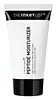
Water, Caprylic/Capric Triglyceride, Glycerin, C12-15 Alkyl Benzoate, Cetearyl Alcohol, Glyceryl Stearate Se, Betaine, Butylene Glycol, Phenoxyethanol, Benzyl Alcohol, Carbomer, Butyrospermum Parkii Butter, Sodium Stearoyl Glutamate, Sodium Hydroxide, Ethylhexylglycerin, Sodium Gluconate, Tocopheryl Acetate, Dehydroacetic Acid, Hydrogenated Lecithin, Phenethyl Alcohol, Acetyl Hexapeptide-37, Maltodextrin, Pentapeptide-48
Reviews
Ingredients Explained
These ingredients are found in both products.
Ingredients higher up in an ingredient list are typically present in a larger amount.
Butylene Glycol (or BG) is used within cosmetic products for a few different reasons:
Overall, Butylene Glycol is a safe and well-rounded ingredient that works well with other ingredients.
Though this ingredient works well with most skin types, some people with sensitive skin may experience a reaction such as allergic rashes, closed comedones, or itchiness.
Learn more about Butylene GlycolEthylhexylglycerin is created from glycerin. It is a multitasker ingredient that:
The CIR Expert Panel found minimal skin absorption or sensitization of any kind in a safety assessment. Though this ingredient is considered well-tolerated, a small number of cases of allergic dermatitis have been published since 2002. Just be sure to patch test if you are unsure.
Industry-reported use ranges from 8% in rinse-off products and 2% in leave-on formulations.
Learn more about EthylhexylglycerinGlycerin (or glycerol) is a compound naturally found in your skin. It's a powerhouse humectant that pulls water into the stratum corneum.
Topically, glycerin does several things at once:
Your skin makes glycerin on its own (mostly from sebaceous oil breakdown) and shuttles it to your outermost layer of skin, or your epidermis, via aquaporin-3.
Aquaporin-3 is a transporter that is essential for normal skin hydration, elasticity, and repair. Interestingly, mice lacking in AQP3 have dry and less elastic skin that can be fully corrected with glycerin.
This ingredient is non-irritating, plays well with almost every ingredient, and works across all skin types. Typical use is anywhere between 3-10% but can go up to 79% in some leave-on products.
Just know very high concentrations (>40%) can feel tacky in low humidity.
Glycerin is the name for this ingredient in American English. British English uses Glycerol/Glycerine.
Learn more about GlycerinHydrogenated Lecithin is a more stable version of lecithin.
It's made by taking lecithin (a phospholipid commonly found in soybeans and egg yolks) and hydrogenating it. This just means the unsaturated fatty acids are turned into saturated ones so they don't go bad as easily.
This ingredient is an emollient, emulsifier, and penetration enhancer. As an emollient, it helps soften and hydrate skin by trapping moisture within. As an emulsifier, it prevents oil and water ingredients from separating.
Hydrogenated Lecithin can form tiny spherical structures made of phospholipid bilayers called liposomes. These liposomes are able to capture compounds inside their structure and deliver them through the skin barrier.
Because phospholipids are a natural component of our cell membranes, this ingredient is inherently compatible with skin.
A 2021 study found lecithin-based surfactants were less harsh and more tolerable comared to Sodium Lauryl Sulfate (SLS).
Learn more about Hydrogenated LecithinWater. It's the most common cosmetic ingredient of all. You'll usually see it at the top of ingredient lists, meaning that it makes up the largest part of the product.
So why is it so popular? Water most often acts as a solvent - this means that it helps dissolve other ingredients into the formulation.
You'll also recognize water as that liquid we all need to stay alive. If you see this, drink a glass of water. Remember to stay hydrated!
Learn more about Water
