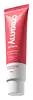
This calming moisturizer is formulated around 4-T-Butylcyclohexanol and Bisabolol to calm redness and strengthen the skin barrier.
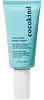
This barrier-repair moisturizer is formulated around Magnesium PCA and Sodium PCA to strengthen the skin barrier and hydrate skin.

What's inside
What's inside
 Key Ingredients
Benefits
Concerns
Ingredients Side-by-side
Water
Skin ConditioningCyclopentasiloxane
Emollient
Cetearyl Olivate


Sorbitan Olivate
Emulsifying
Ethyl Olivate
Emollient
Pentylene Glycol
Skin Conditioning
Coco-Caprylate/Caprate
Emollient
Propanediol
Solvent
Glyceryl Caprylate
EmollientSodium Acrylates Copolymer
4-T-Butylcyclohexanol
Masking



Bisabolol
Antioxidant

Tocopheryl Acetate
Antioxidant

Helianthus Annuus Seed Oil
Emollient
Sargassum Filipendula Extract
Skin Protecting

Lecithin
Emollient
Hypnea Musciformis Extract
Skin Protecting
Dimethicone/Vinyl Dimethicone Crosspolymer
Skin Conditioning
Centella Asiatica Extract
Cleansing

Sodium Gluconate
ChelatingCaprylic/Capric Triglyceride
Masking
Glyceryl Undecylenate
Emollient
Glycerin
Humectant
Olea Europaea Leaf Extract
Perfuming
Tocopherol
Antioxidant
Hydroxymethoxyphenyl Decanone
Skin ConditioningSodium Benzoate
Masking
Potassium Sorbate
Preservative
Water, Cyclopentasiloxane, Cetearyl Olivate, Sorbitan Olivate, Ethyl Olivate, Pentylene Glycol, Coco-Caprylate/Caprate, Propanediol, Glyceryl Caprylate, Sodium Acrylates Copolymer, 4-T-Butylcyclohexanol, Bisabolol, Tocopheryl Acetate, Helianthus Annuus Seed Oil, Sargassum Filipendula Extract, Lecithin, Hypnea Musciformis Extract, Dimethicone/Vinyl Dimethicone Crosspolymer, Centella Asiatica Extract, Sodium Gluconate, Caprylic/Capric Triglyceride, Glyceryl Undecylenate, Glycerin, Olea Europaea Leaf Extract, Tocopherol, Hydroxymethoxyphenyl Decanone, Sodium Benzoate, Potassium Sorbate
Water
Skin ConditioningGlycerin
Humectant
Propanediol
Solvent
Coco-Caprylate/Caprate
Emollient
Caprylic/Capric Triglyceride
Masking
Sodium Acrylates Copolymer
Pentylene Glycol
Skin Conditioning
Magnesium PCA
Humectant
Sodium PCA
Humectant
Zinc PCA
Humectant



Manganese PCA
HumectantBeta-Glucan
Skin Conditioning
Chlamydomonas Extract
Skin ConditioningSea Water
HumectantCeramide NP
Skin Conditioning
Lecithin
Emollient
Caprylyl Glycol
Emollient
Glyceryl Acrylate/Acrylic Acid Copolymer
HumectantMaltodextrin
Absorbent
Aloe Barbadensis Flower Extract
EmollientCurcuma Longa Root Extract
Antioxidant
Solanum Melongena Fruit Extract
Skin ConditioningOcimum Basilicum Flower/Leaf Extract
TonicCoccinia Indica Fruit Extract
Skin Conditioning
Melia Azadirachta Leaf Extract
Skin ConditioningMelia Azadirachta Flower Extract
Skin ConditioningCorallina Officinalis Extract
Skin Conditioning
Ocimum Sanctum Leaf Extract
Skin ConditioningEthylhexylglycerin
Skin ConditioningWater, Glycerin, Propanediol, Coco-Caprylate/Caprate, Caprylic/Capric Triglyceride, Sodium Acrylates Copolymer, Pentylene Glycol, Magnesium PCA, Sodium PCA, Zinc PCA, Manganese PCA, Beta-Glucan, Chlamydomonas Extract, Sea Water, Ceramide NP, Lecithin, Caprylyl Glycol, Glyceryl Acrylate/Acrylic Acid Copolymer, Maltodextrin, Aloe Barbadensis Flower Extract, Curcuma Longa Root Extract, Solanum Melongena Fruit Extract, Ocimum Basilicum Flower/Leaf Extract, Coccinia Indica Fruit Extract, Melia Azadirachta Leaf Extract, Melia Azadirachta Flower Extract, Corallina Officinalis Extract, Ocimum Sanctum Leaf Extract, Ethylhexylglycerin
Reviews
Ingredients Explained
These ingredients are found in both products.
Ingredients higher up in an ingredient list are typically present in a larger amount.
Caprylic/Capric Triglyceride (aka MCT Oil) is a lightweight emollient, solvent, and texture enhancer. It is considered a skin-softener by helping to prevent moisture loss.
Though it behaves like an oil, it is not technically one due to its chemical composition. One perk of this ingredient is that it is very stable, resistant to oxidation, and unlikely to go rancid.
In practice, that translates to a long shelf life and a consistently elegant skin feel.
While there is an assumption Caprylic Triglyceride can clog pores due to it being derived from coconut oil, there is no research supporting this. Just patch test if you have concerns.
Fractionated coconut oil and MCT Oil are both listed as Caprylic/Capric Triglyceride according to INCI. This is because INCI names are based on the ingredient’s final chemical composition and not its marketing name or source.
This ingredient is treated as the gold standard fungal acne safe oil. Even though it is coconut derived, the problematic lauric acid is stripped out.
This leaves just caprylic (C8) and capric (C10) acid. These chain lengths actually trend antifungal; a 2020 study found caprylic acid was enough to disrupt Malassezia furfur cell membrane, with a caprylic acid derivative damaging membrane structures at concentrations as low as 0.2%.
Learn more about Caprylic/Capric TriglycerideCoco-Caprylate/Caprate is a lightweight ester created from coconut oil fatty acids, caprylic acid, and capric acid.
It is an emollient that helps soften skin and reduce transepidermal water loss (TEWL). What sets it apart from heavier emollients is its ultralight, non-greasy feel.
Once applied, this ingredient dries down quickly and leaves a dry, silky finish behind. This also helps improve spreadability and texture.
This ingredient has an excellent safety-record and is non-irritating.
Typical concentrations for cosmetics range from 0.5-62%.
Research on Malassezia growth found no growth on fatty acid esters with chain lengths shorter than 12 carbons (it prefers C11-24).
Since Coco-Caprylate/Caprate is built on C8 and C10 fatty acids, it is out of the range that Malassezia metabolizes, and therefore safe for fungal acne.
Learn more about Coco-Caprylate/CaprateGlycerin (or glycerol) is a compound naturally found in your skin. It's a powerhouse humectant that pulls water into the stratum corneum.
Topically, glycerin does several things at once:
Your skin makes glycerin on its own (mostly from sebaceous oil breakdown) and shuttles it to your outermost layer of skin, or your epidermis, via aquaporin-3.
Aquaporin-3 is a transporter that is essential for normal skin hydration, elasticity, and repair. Interestingly, mice lacking in AQP3 have dry and less elastic skin that can be fully corrected with glycerin.
This ingredient is non-irritating, plays well with almost every ingredient, and works across all skin types. Typical use is anywhere between 3-10% but can go up to 79% in some leave-on products.
Just know very high concentrations (>40%) can feel tacky in low humidity.
Glycerin is the name for this ingredient in American English. British English uses Glycerol/Glycerine.
Learn more about GlycerinLecithin is a term for a group of substances found in the cell membranes of plants, animals, and humans. They are made up of phospholipids.
Thanks to its amphiphilic structure (water-loving head and oil-loving tail), it is a true multitasker:
It plays well with most ingredients and is typically used at 0.1-1%. However, concentrations up to 50% have been reported in moisturizers.
Learn more about LecithinPentylene Glycol (1,2-pentanediol) is a multitasking little diol with three main roles in a formula:
Research on alkanediols (the family pentylene glycol belongs to) show they work by disrupting microbial cell membranes. This disruption helps the primary preservative system in a product work more effectively at lower doses.
On the safety side, the Cosmetic Ingredient Review Expert Panel has concluded this ingredient to be safe as used in current cosmetic practices + concentrations.
Typical use levels in a formula run about 1-5%.
Learn more about Pentylene GlycolPropanediol is an all-star ingredient. It softens, hydrates, and smooths the skin.
It’s often used to:
Propanediol is not likely to cause sensitivity and considered safe to use. It is derived from corn or petroleum with a clear color and no scent.
Learn more about PropanediolThis ingredient is a synthetic, salt form polymer built from acrylic acid, ethacrylic acid, or their simple esters. It works as a binder, film former, and viscosity increasing agent.
Typical concentrations start at around 0.5% but can go up to 25% for film-forming or binding.
The CIR Expert Panel assessed the safety of 126 acrylates copolymers and concluded they are safe in cosmetics at current use levels when formulated to be non-irritating. They also noted the levels present in finished cosmetic products are not considered a safety risk and Genotoxicity testing (Ames tests, chromosomal aberration assays) has come back negative across the board.
Though the raw building blocks (like acrylic acid) can be irritating on their own, cosmetic-grade versions go through purification to keep levels extremely low.
Sodium Acrylates Copolymer is a large molecule that doesn't penetrate skin barrier in any meaningful way.
Learn more about Sodium Acrylates CopolymerWater. It's the most common cosmetic ingredient of all. You'll usually see it at the top of ingredient lists, meaning that it makes up the largest part of the product.
So why is it so popular? Water most often acts as a solvent - this means that it helps dissolve other ingredients into the formulation.
You'll also recognize water as that liquid we all need to stay alive. If you see this, drink a glass of water. Remember to stay hydrated!
Learn more about Water

