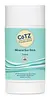
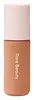
Cotz Skincare Mineral Sun Stick SPF 45 Versus Rare Beauty Positive Light Tinted Moisturizer Broad Spectrum SPF 20 Sunscreen

What's inside
What's inside
 Key Ingredients
Benefits
Concerns
Ingredients Side-by-side
Titanium Dioxide 4%
Cosmetic Colorant

Zinc Oxide 5.5%
Cosmetic Colorant
Alumina
Abrasive
Aluminum Hydroxide
EmollientAluminum Stearate
Cosmetic ColorantAscorbic Acid
Antioxidant






Ascorbyl Palmitate
Antioxidant
C12-15 Alkyl Benzoate
AntimicrobialCetearyl Isononanoate
Emollient
Cetyl PEG/PPG-15/15 Butyl Ether Dimethicone
Emulsifying
Citric Acid
Buffering

Dipropylene Glycol Caprylate
EmollientEthylhexyl Palmitate
Emollient
Ethylene Brassylate
MaskingHelianthus Annuus Seed Wax
Skin Conditioning
Hexyldecanol
Emollient
Hexyldecyl Laurate
EmollientLecithin
Emollient

Ozokerite
Emulsion StabilisingPEG-8
HumectantPolyglyceryl-3 Diisostearate
Emulsifying
Polyhydroxystearic Acid
Emulsifying
Stearic Acid
Cleansing
Tocopherol
Antioxidant

Tocopheryl Acetate
Antioxidant
Zingiber Officinale Root Oil
Masking



Titanium Dioxide 4%, Zinc Oxide 5.5%, Alumina, Aluminum Hydroxide, Aluminum Stearate, Ascorbic Acid, Ascorbyl Palmitate, C12-15 Alkyl Benzoate, Cetearyl Isononanoate, Cetyl PEG/PPG-15/15 Butyl Ether Dimethicone, Citric Acid, Dipropylene Glycol Caprylate, Ethylhexyl Palmitate, Ethylene Brassylate, Helianthus Annuus Seed Wax, Hexyldecanol, Hexyldecyl Laurate, Lecithin, Ozokerite, PEG-8, Polyglyceryl-3 Diisostearate, Polyhydroxystearic Acid, Stearic Acid, Tocopherol, Tocopheryl Acetate, Zingiber Officinale Root Oil
Homosalate 9%
Skin Conditioning
Titanium Dioxide 1.8%
Cosmetic Colorant
Zinc Oxide 0.9%
Cosmetic Colorant
Water
Skin ConditioningDimethicone
Emollient
Talc
Abrasive
C12-15 Alkyl Benzoate
AntimicrobialIsododecane
EmollientCetyl PEG/PPG-10/1 Dimethicone
Emulsifying
Isopentyldiol
Humectant
Sorbitol
Humectant
Tocopheryl Acetate
Antioxidant
Phenoxyethanol
Preservative
Sodium Chloride
MaskingDimethicone/Vinyl Dimethicone Crosspolymer
Skin Conditioning
Magnesium Sulfate
Sodium Dehydroacetate
Preservative
Hydrogen Dimethicone
Potassium Sorbate
Preservative
Disteardimonium Hectorite
StabilisingLecithin
Emollient
Benzoic Acid
Masking
Aluminum Hydroxide
EmollientAlumina
Abrasive
Dehydroacetic Acid
Preservative
Propylene Carbonate
SolventHelianthus Annuus Seed Oil
Emollient
Triethoxycaprylylsilane
Tocopherol
Antioxidant
Ethylhexylglycerin
Skin ConditioningAscorbyl Palmitate
Antioxidant
Citric Acid
Buffering
Gardenia Florida Fruit Extract
Skin ConditioningNelumbo Nucifera Flower Extract
Skin ConditioningNymphaea Odorata Root Extract
RefreshingCI 77891
Cosmetic ColorantIron Oxides
Homosalate 9%, Titanium Dioxide 1.8%, Zinc Oxide 0.9%, Water, Dimethicone, Talc, C12-15 Alkyl Benzoate, Isododecane, Cetyl PEG/PPG-10/1 Dimethicone, Isopentyldiol, Sorbitol, Tocopheryl Acetate, Phenoxyethanol, Sodium Chloride, Dimethicone/Vinyl Dimethicone Crosspolymer, Magnesium Sulfate, Sodium Dehydroacetate, Hydrogen Dimethicone, Potassium Sorbate, Disteardimonium Hectorite, Lecithin, Benzoic Acid, Aluminum Hydroxide, Alumina, Dehydroacetic Acid, Propylene Carbonate, Helianthus Annuus Seed Oil, Triethoxycaprylylsilane, Tocopherol, Ethylhexylglycerin, Ascorbyl Palmitate, Citric Acid, Gardenia Florida Fruit Extract, Nelumbo Nucifera Flower Extract, Nymphaea Odorata Root Extract, CI 77891, Iron Oxides
Reviews
Ingredients Explained
These ingredients are found in both products.
Ingredients higher up in an ingredient list are typically present in a larger amount.
Alumina is another name for the compound aluminum oxide. It is a white powder used as a thickener, absorbent, and abrasive.
As an absorbent, alumina can give a mattifying effect. It is used in mineral sunscreens to help coat nano-sized filters, such as titanium dioxide. By increasing the size of the UV filters, these ingredients stay on the skin for a longer time. By coating small sized ingredients, alumina helps thicken a product.
Alumina may be used as an abrasive, or exfoliant.
Alumina is naturally occurring in the mineral corundum. Certain varieties of corundum create rubies and sapphires. Corundum is also the crystalline form of alumina.
Learn more about AluminaAluminum Hydroxide is a form of aluminum. It can be naturally found in nature as the mineral gibbsite. In cosmetics, Aluminum Hydroxide is used as a colorant, pH adjuster, and absorbent.
As a colorant, Aluminum Hydroxide may add opacity, or reduce the transparency. Aluminum hydroxide is contains both basic and acidic properties.
According to manufacturers, this ingredient is an emollient and humectant. This means it helps hydrate the skin.
In medicine, this ingredient is used to help relieve heartburn and help heal ulcers.
There is currently no credible scientific evidence linking aluminum hydroxide in cosmetics to increased cancer risk.
Major health organizations allow the use of aluminum hydroxide in personal care products and have not flagged it as a carcinogenic risk at typical usage levels.
Learn more about Aluminum HydroxideAscorbyl Palmitate is a fat-soluble form of vitamin C (Ascorbic Acid) made by combining it with palmitic acid.
It is able to blend easily into creams and oil-based formulas because it dissolves in oils rather than water.
As you may know, regular vitamin C is notorious for breaking down when exposed to sunlight and air. Ascorbyl Palmitate is more stable and degrades at a slower rate.
Research on whether it converts efficiently into active vitamin C once it's applied on your skin is still limited.
Some in-vitro studies suggest it may support collagen production, but it is not considered one of the stronger vitamin C derivatives, like:
Due to the palmitic acid base, this ingredient may not be fungal acne safe. Comedogenic studies have also shown this ingredient to have a rating of 2.
It's also worth keeping in mind that comedogenic and irritancy ratings are tested on individual ingredients, not finished formulas. The final product's formulation, concentration, and other ingredients all play a role in how something actually behaves on your skin.
Learn more about Ascorbyl PalmitateC12-15 Alkyl Benzoate is made up of Benzoic Acid and long chain alcohols. It has a low molecular weight.
C12-15 Alkyl Benzoate is an emollient and texture enhancer. Due to its solubility, it is often used in sunscreens to help evenly distribute active ingredients.
As an emollient, C12-15 Alkyl Benzoate helps soften and hydrate your skin. Emollients create a film on your skin that traps moisture within.
This ingredient has been reported to cause eye irritation.
Learn more about C12-15 Alkyl BenzoateCitric Acid is an alpha hydroxy acid (AHA) naturally found in citrus fruits like oranges, lemons, and limes.
Like other AHAs, citric acid can exfoliate skin by breaking down the bonds that hold dead skin cells together. This helps reveal smoother and brighter skin underneath.
However, this exfoliating effect only happens at high concentrations (20%) which can be hard to find in cosmetic products.
Due to this, citric acid is usually included in small amounts as a pH adjuster. This helps keep products slightly more acidic and compatible with skin's natural pH.
In skincare formulas, citric acid can:
While it can provide some skin benefits, research shows lactic acid and glycolic acid are generally more effective and less irritating exfoliants.
Most citric acid used in skincare today is made by fermenting sugars (usually from molasses). This synthetic version is identical to the natural citrus form but easier to stabilize and use in formulations.
Read more about some other popular AHA's here:
Learn more about Citric AcidLecithin is a term for a group of substances found in the cell membranes of plants, animals, and humans. They are made up of phospholipids.
Thanks to its amphiphilic structure (water-loving head and oil-loving tail), it is a true multitasker:
It plays well with most ingredients and is typically used at 0.1-1%. However, concentrations up to 50% have been reported in moisturizers.
Depending on the source of this ingredient, lecithin may not be fungal acne safe. This is because some sources of lecithin come from soybean oil, which may feed the malassezia yeast that causes fungal acne.
We recommend reaching out to the brand you are purchasing from to inquire about the source of their lecithin.
Learn more about LecithinTitanium dioxide is a mineral UV filter widely used in sunscreens and cosmetics.
It is one of only two UV filters officially classified as “mineral” by regulatory agencies, the other being zinc oxide.
Titanium dioxide provides broad-spectrum protection mostly in the UVB and UVAII range, with some protection in the UVAI range.
While its UVA protection isn’t as strong as zinc oxide’s, the difference is minor.
A common myth is that mineral UV filters reflect UV light. However, modern research shows titanium dioxide absorbs UV radiation like chemical filters (~95% absorption & 5% reflection).
Thanks to its non-irritating nature, titanium dioxide is suitable for sensitive, acne-prone, or redness-prone skin. It is unlikely to cause "eye sting" like other sunscreen ingredients.
A major drawback of this ingredient is its white cast and thick texture. This is why mineral sunscreens often leave a white cast and are less cosmetically elegant than chemical/hybrid sunscreens.
To improve white cast and spreadability, micronized or nano-sized titanium dioxide is often used.
There are ongoing concerns surrounding nano-titanium oxide's impact on marine ecosystems.
There is no conclusive evidence that any form of titanium oxide (or any other sunscreen ingredients) will cause harm to marine ecosystems or coral reefs. The science is still developing but many consumers are keeping a close eye on this issue.
Please note, many destinations have reef-safety sunscreen rules. For instance, the U.S. Virgin Islands advises all visitors to use non-nano mineral sunscreens.
Nano mineral sunscreens once raised safety concerns about absorption into skin.
Extensive research has shown that they do not penetrate healthy or damaged skin; they remain safely on the surface and the top layer of dead skin (stratum corneum).
You'll likely find titanium dioxide bundled with alumina, silica, or dimethicone. These ingredients help make titanium dioxide highly photostable; this prevents it from interacting with other formula components under UV light.
Learn more about Titanium DioxideTocopherol is a fat-soluble antioxidant known as Vitamin E.
You'll find this ingredient in the vast majority of skincare (for good reason). It works to neutralize free radicals, or unstable molecules generated by UV exposure, pollution, and other environmental stressors, before they can cause oxidative damage to your skin cells.
Topically applied tocopherol has been shown to protect against UV damage by ramping up the skin's own natural defense enzymes.
It also acts as a skin conditioning agent; some studies show that regular topical use can improve the skin's water-binding capacity over 2-4 weeks.
This ingredient is especially loved for being a team player. When combined with Vitamin C, the photoprotective effect of both ingredients roughly doubles and the combo also helps reduce UV-induced DNA damage.
This ingredient has some brightening potential but it's more of a prevention ingredient than spot-fader. Cell studies show it can slow down melanin production but it's worth noting that it's not the most powerful brightener out there.
In formulations, it also serves as a stabilizer that helps protect other oxidation-prone ingredients from degrading.
Concentrations usually range from 0.1-1% in most leave-on products.
Learn more about TocopherolTocopheryl Acetate is AKA Vitamin E. It is an antioxidant and protects your skin from free radicals. Free radicals damage the skin by breaking down collagen.
One study found using Tocopheryl Acetate with Vitamin C decreased the number of sunburned cells.
Tocopheryl Acetate is commonly found in both skincare and dietary supplements.
Learn more about Tocopheryl AcetateZinc Oxide is a mineral broad-spectrum UV filter; it is the broadest UVA and UVB reflector approved by the FDA. It also has skin protectant and skin soothing properties.
Zinc oxide is one of the most effective broad-spectrum UV filters. It protects against UVB, UVAII, and UVAI. In comparison to its counterpart titanium dioxide, zinc oxide provides uniform and extended UVA protection.
Another great benefit? This ingredient is highly photostable so it won't degrade easily under sunlight.
A common myth is that mineral UV filters are widely believed to primarily reflect UV light.
However, modern research shows titanium dioxide absorbs UV radiation like chemical filters (~95% absorption & 5% reflection).
Zinc oxide has great skin soothing properties so you'll likely find this in sunscreens formulated for sensitive skin or babies/children. It is unlikely to cause "eye sting" like other sunscreen ingredients.
Regulatory agencies consider zinc oxide to be non-toxic and safe. It has also been shown to not penetrate the skin.
Unfortunately, this ingredient does leave a visible white cast. This is why mineral sunscreens are often less cosmetically elegant than chemical or hybrid ones.
In cosmetics, zinc oxide can be found in both non-nano and nano-sized forms. The nano version is used to reduce white cast and improve the texture of sunscreen formulas.
There are ongoing concerns surrounding nano-zinc oxide's impact on marine ecosystems and whether it can be absorbed into skin.
Regarding marine ecosystems and coral reefs, there is no conclusive evidence that any form of zinc oxide (or any other sunscreen ingredients) will cause harm. The science is still developing but many consumers are keeping a close eye on this issue.
Please note, many destinations have reef-safety sunscreen rules. For instance, the U.S. Virgin Islands advises all visitors to use non-nano mineral sunscreens.
There has also been some stir about whether micronized or nano zinc oxide has potential photoxicity and absorption through the skin/lungs.
An in-vitro (done in a test tube or petri dish) study demonstrated micronized zinc oxide to have potential phototoxicity. There's no need to fret; the EU Commission's Scientific Committee on Consumer Safety has stated, "The relevance of these findings needs to be clarified by appropriate investigations in vivo." Or in other words, further studies done on living organisms are needed to prove this.
Current research shows zinc oxide nanoparticles do not penetrate intact or sunburned skin. They either remain on the surface or in the outermost layer of dead skin (stratum corneum).
Zinc oxide is one of only two classified mineral UV filters with titanium dioxide being the other one.
Fun fact: Zinc has been used throughout history as an ingredient in paint and medicine. An Indian text from 500BC is believed to list zinc oxide as a salve for open wound. The Ancient Greek physician Dioscorides has also mentioned the use of zinc as an ointment in 1AD.
Learn more about Zinc Oxide
