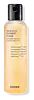
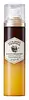
This hydrating toner is formulated around Propolis Extract and Honey Extract to hydrate skin and calm redness.
This hydrating toner is formulated around Propolis Extract and Honey Extract to hydrate skin.

What's inside
What's inside
 Key Ingredients
Benefits
Concerns
Ingredients Side-by-side
Propolis Extract
Skin Conditioning




Honey Extract
Humectant
Butylene Glycol
Humectant
1,2-Hexanediol
Skin Conditioning
Glycerin
Humectant
Betaine
Humectant
Cassia Obtusifolia Seed Extract
Skin ConditioningPanthenol
Skin Conditioning
Polyglyceryl-10 Laurate
Skin Conditioning

Polyglyceryl-10 Myristate
Skin Conditioning
Ethylhexylglycerin
Skin ConditioningSodium Hyaluronate
Humectant

Hydroxyethyl Acrylate/Sodium Acryloyldimethyl Taurate Copolymer
Emulsion StabilisingCaprylic/Capric Triglyceride
Masking
Propolis Extract, Honey Extract, Butylene Glycol, 1,2-Hexanediol, Glycerin, Betaine, Cassia Obtusifolia Seed Extract, Panthenol, Polyglyceryl-10 Laurate, Polyglyceryl-10 Myristate, Ethylhexylglycerin, Sodium Hyaluronate, Hydroxyethyl Acrylate/Sodium Acryloyldimethyl Taurate Copolymer, Caprylic/Capric Triglyceride
Water
Skin ConditioningPropolis Extract 20%
Skin Conditioning
Honey Extract 5%
Humectant
Royal Jelly Extract 5%
Skin Conditioning
Glycerin
Humectant
Betaine
Humectant
Propanediol
Solvent
1,2-Hexanediol
Skin Conditioning
PPG-13-Decyltetradeceth-24
EmulsifyingDiphenyl Dimethicone
Emollient
Triethylhexanoin
MaskingEthylhexylglycerin
Skin ConditioningSodium Citrate
BufferingPanthenol
Skin Conditioning
Hydrogenated Lecithin
Emulsifying
Allantoin
Skin Conditioning
Polyglyceryl-10 Oleate
Skin Conditioning
Lactobacillus Ferment
Skin Conditioning
Saccharomyces Ferment
Skin Conditioning
Citric Acid
Buffering

Sodium Phytate
ChelatingCitrus Tangerina Peel Oil
Masking

Citrus Aurantium Bergamia Fruit Oil
Masking

Pelargonium Graveolens Flower Oil
Masking
Boswellia Carterii Oil
Masking
Lavandula Angustifolia Oil
Masking
Citrus Limon Peel Oil
Masking

Rosmarinus Officinalis Leaf Oil
Masking
Caprylic/Capric Triglyceride
Masking
Eucalyptus Globulus Leaf Oil
Perfuming
Cananga Odorata Flower Oil
Masking
Cinnamomum Zeylanicum Bark Oil
Masking
Ceramide NP
Skin Conditioning
Butylene Glycol
Humectant
Butyrospermum Parkii Butter
Skin Conditioning

Octyldodecanol
Emollient
Xanthan Gum
EmulsifyingGlyceryl Citrate/Lactate/Linoleate/Oleate
Emulsifying
Sodium Acrylate/Sodium Acryloyldimethyl Taurate Copolymer
Emulsion StabilisingGlyceryl Oleate
Emollient
Glycolipids
Skin ConditioningGlycosphingolipids
EmollientTocopherol
Antioxidant


Water, Propolis Extract 20%, Honey Extract 5%, Royal Jelly Extract 5%, Glycerin, Betaine, Propanediol, 1,2-Hexanediol, PPG-13-Decyltetradeceth-24, Diphenyl Dimethicone, Triethylhexanoin, Ethylhexylglycerin, Sodium Citrate, Panthenol, Hydrogenated Lecithin, Allantoin, Polyglyceryl-10 Oleate, Lactobacillus Ferment, Saccharomyces Ferment, Citric Acid, Sodium Phytate, Citrus Tangerina Peel Oil, Citrus Aurantium Bergamia Fruit Oil, Pelargonium Graveolens Flower Oil, Boswellia Carterii Oil, Lavandula Angustifolia Oil, Citrus Limon Peel Oil, Rosmarinus Officinalis Leaf Oil, Caprylic/Capric Triglyceride, Eucalyptus Globulus Leaf Oil, Cananga Odorata Flower Oil, Cinnamomum Zeylanicum Bark Oil, Ceramide NP, Butylene Glycol, Butyrospermum Parkii Butter, Octyldodecanol, Xanthan Gum, Glyceryl Citrate/Lactate/Linoleate/Oleate, Sodium Acrylate/Sodium Acryloyldimethyl Taurate Copolymer, Glyceryl Oleate, Glycolipids, Glycosphingolipids, Tocopherol
Reviews
Ingredients Explained
These ingredients are found in both products.
Ingredients higher up in an ingredient list are typically present in a larger amount.
1,2-Hexanediol is a synthetic liquid and another multi-functional powerhouse.
It is a:
- Humectant, drawing moisture into the skin
- Emollient, helping to soften skin
- Solvent, dispersing and stabilizing formulas
- Preservative booster, enhancing the antimicrobial activity of other preservatives
Betaine is a humectant. Like hyaluronic acid, it helps attract and retain moisture in the skin. It’s known for being gentle and for helping the skin maintain balanced hydration.
Betaine is mainly used to improve hydration and support calmer skin. It helps skin cells regulate water balance because it functions as an osmolyte.
Some studies suggest betaine may support making skin tone more even.
Fun fact: Betaine naturally exists in the skin and the body. In cosmetic products, it can be either plant-derived (most commonly from sugar beets) or synthetically produced for consistency and stability.
Betaine is also known as trimethylglycine.
Learn more about BetaineButylene Glycol (or BG) is used within cosmetic products for a few different reasons:
Overall, Butylene Glycol is a safe and well-rounded ingredient that works well with other ingredients.
Though this ingredient works well with most skin types, some people with sensitive skin may experience a reaction such as allergic rashes, closed comedones, or itchiness.
Learn more about Butylene GlycolCaprylic/Capric Triglyceride (aka MCT Oil) is a lightweight emollient, solvent, and texture enhancer. It is considered a skin-softener by helping to prevent moisture loss.
Though it behaves like an oil, it is not technically one due to its chemical composition. One perk of this ingredient is that it is very stable, resistant to oxidation, and unlikely to go rancid.
In practice, that translates to a long shelf life and a consistently elegant skin feel.
While there is an assumption Caprylic Triglyceride can clog pores due to it being derived from coconut oil, there is no research supporting this. Just patch test if you have concerns.
Fractionated coconut oil and MCT Oil are both listed as Caprylic/Capric Triglyceride according to INCI. This is because INCI names are based on the ingredient’s final chemical composition and not its marketing name or source.
This ingredient is treated as the gold standard fungal acne safe oil. Even though it is coconut derived, the problematic lauric acid is stripped out.
This leaves just caprylic (C8) and capric (C10) acid. These chain lengths actually trend antifungal; a 2020 study found caprylic acid was enough to disrupt Malassezia furfur cell membrane, with a caprylic acid derivative damaging membrane structures at concentrations as low as 0.2%.
Learn more about Caprylic/Capric TriglycerideEthylhexylglycerin is created from glycerin. It is a multitasker ingredient that:
The CIR Expert Panel found minimal skin absorption or sensitization of any kind in a safety assessment. Though this ingredient is considered well-tolerated, a small number of cases of allergic dermatitis have been published since 2002. Just be sure to patch test if you are unsure.
Industry-reported use ranges from 8% in rinse-off products and 2% in leave-on formulations.
Learn more about EthylhexylglycerinGlycerin (or glycerol) is a compound naturally found in your skin. It's a powerhouse humectant that pulls water into the stratum corneum.
Topically, glycerin does several things at once:
Your skin makes glycerin on its own (mostly from sebaceous oil breakdown) and shuttles it to your outermost layer of skin, or your epidermis, via aquaporin-3.
Aquaporin-3 is a transporter that is essential for normal skin hydration, elasticity, and repair. Interestingly, mice lacking in AQP3 have dry and less elastic skin that can be fully corrected with glycerin.
This ingredient is non-irritating, plays well with almost every ingredient, and works across all skin types. Typical use is anywhere between 3-10% but can go up to 79% in some leave-on products.
Just know very high concentrations (>40%) can feel tacky in low humidity.
Glycerin is the name for this ingredient in American English. British English uses Glycerol/Glycerine.
Learn more about GlycerinThis ingredient comes from honey made by bees. It is hydrating, antibacterial, anti-aging, and skin soothing.
Honey also contains amino acids, peptides, Vitamins A, C, and E.
The humectant property of honey draws moisture from the air to your skin. This makes it great at helping to hydrate the skin.
Honey may help reduce the signs of aging due to its antioxidant properties. Fun fact: darker honey has more antioxidants than light honey. The antibacterial property of honey may make it effective at helping to treat acne by killing acne-causing bacteria.
Many people wonder if honey extract is vegan. It is technically a byproduct from bees. This is because honey is created from the digestive enzymes in a bee's stomach.
Remember to be kind to bees :) They are important for many ecosystems and are endangered.
Learn more about Honey ExtractPanthenol is a common ingredient that helps hydrate and soothe the skin. It is found naturally in our skin and hair.
There are two forms of panthenol: D and L.
D-panthenol is also known as dexpanthenol. Most cosmetics use dexpanthenol or a mixture of D and L-panthenol.
Panthenol is famous due to its ability to go deeper into the skin's layers. Using this ingredient has numerous pros (and no cons):
Like hyaluronic acid, panthenol is a humectant. Humectants are able to bind and hold large amounts of water to keep skin hydrated.
This ingredient works well for wound healing. It works by increasing tissue in the wound and helps close open wounds.
Once oxidized, panthenol converts to pantothenic acid. Panthothenic acid is found in all living cells.
This ingredient is also referred to as pro-vitamin B5.
Learn more about PanthenolPropolis Extract is a natural ingredient derived from propolis (also known as bee glue). Bees make propolis by mixing their saliva and beeswax with resins collected from tree buds and plants.
This ingredient is packed with bioactive compounds like flavonoids, phenolic acids, and amino acids that give it antioxidant and anti-inflammatory properties.
Research shows it can help:
It also pairs nicely with hydrating ingredients like niacinamide and ceramides.
Just so you know, Propolis Extract is recognized as a contact allergen. In patch tests done in the EU, roughly 1-6% of patients react to it. Be sure to steer clear of this ingredient if you have a known allergy to bee products.
Since it is an animal-derived product, this ingredient is not considered vegan. For vegan alternatives, check out Galactomyces Ferment Filtrate or Centella Asiatica Extract.
Learn more about Propolis Extract

