COSRX Green Tea Aqua Soothing Gel Cream Versus SKIN1004 Madagascar Centella Hyalu-Cica Sleeping Pack
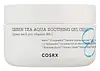
This calming moisturizer is formulated around Camellia Sinensis Leaf Extract and Panthenol to calm redness and hydrate skin.
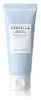
This hydrating overnight mask is formulated around Centella Asiatica Leaf Water and Niacinamide to hydrate skin and calm redness.

What's inside
What's inside
 Key Ingredients
Benefits
Concerns
Ingredients Side-by-side
Water
Skin ConditioningPropanediol
Solvent

Camellia Sinensis Leaf Extract
Antimicrobial






Glycerin
Humectant
Pentylene Glycol
Skin Conditioning
1,2-Hexanediol
Skin Conditioning
Acrylates/C10-30 Alkyl Acrylate Crosspolymer
Emulsion StabilisingPanthenol
Skin Conditioning
Tromethamine
BufferingButylene Glycol
Humectant
Cetearyl Olivate


Sorbitan Olivate
Emulsifying
Allantoin
Skin Conditioning
Aloe Ferox Leaf Extract
Skin ConditioningEthylhexylglycerin
Skin ConditioningGlyceryl Acrylate/Acrylic Acid Copolymer
HumectantDisodium EDTA
Hydrolyzed Hibiscus Esculentus Extract
Skin ConditioningLupinus Albus Seed Extract
Skin ConditioningMoringa Oleifera Seed Extract
Skin Conditioning
Melia Azadirachta Leaf Extract
Skin ConditioningMelia Azadirachta Flower Extract
Skin ConditioningWater, Propanediol, Camellia Sinensis Leaf Extract, Glycerin, Pentylene Glycol, 1,2-Hexanediol, Acrylates/C10-30 Alkyl Acrylate Crosspolymer, Panthenol, Tromethamine, Butylene Glycol, Cetearyl Olivate, Sorbitan Olivate, Allantoin, Aloe Ferox Leaf Extract, Ethylhexylglycerin, Glyceryl Acrylate/Acrylic Acid Copolymer, Disodium EDTA, Hydrolyzed Hibiscus Esculentus Extract, Lupinus Albus Seed Extract, Moringa Oleifera Seed Extract, Melia Azadirachta Leaf Extract, Melia Azadirachta Flower Extract
Centella Asiatica Leaf Water
Skin Conditioning
Water
Skin ConditioningButylene Glycol
Humectant
Glycerin
Humectant
1,2-Hexanediol
Skin Conditioning
Niacinamide
Smoothing



Polyglutamic Acid
Skin Conditioning
Pantolactone
Humectant
Hydrolyzed Hibiscus Esculentus Extract
Skin ConditioningCarbomer
Emulsion StabilisingPanthenol
Skin Conditioning
Sodium Hyaluronate
Humectant
Hydrolyzed Hyaluronic Acid
Humectant
Hyaluronic Acid
Humectant
Cetearyl Olivate
Methylpropanediol
SolventArginine
Masking
Pullulan
Sorbitan Olivate
Emulsifying
Caprylic/Capric Triglyceride
Masking
Pyrus Communis Fruit Extract
Skin ConditioningAdenosine
Skin Conditioning
Rosa Damascena Flower Water
Masking
Cucumis Melo Fruit Extract
Skin ConditioningIris Florentina Root Extract
MaskingEthylhexylglycerin
Skin ConditioningHedera Helix Leaf/Stem Extract
AntimicrobialSodium Phytate
Xanthan Gum
EmulsifyingMaltodextrin
Absorbent
Artemisia Princeps Leaf Extract
Skin ConditioningHydrolyzed Gardenia Florida Extract
Antioxidant
Melatonin
Antioxidant
Illicium Verum Fruit Extract
Perfuming
Larix Sibirica Wood Extract
Antimicrobial
Quercus Mongolica Leaf Extract
Skin ConditioningPersicaria Hydropiper Extract
Skin ConditioningRheum Palmatum Root/Stalk Extract
AstringentAsarum Sieboldii Root Extract
Skin ConditioningChrysanthellum Indicum Extract
Skin Conditioning
Corydalis Turtschaninovii Root Extract
Skin ConditioningCoptis Chinensis Root Extract
Antioxidant
Machilus Thunbergii Bark Extract
Skin ConditioningPentylene Glycol
Skin Conditioning
Hydrogenated Lecithin
Emulsifying
Ceramide NP
Skin Conditioning
Centella Asiatica Leaf Water, Water, Butylene Glycol, Glycerin, 1,2-Hexanediol, Niacinamide, Polyglutamic Acid, Pantolactone, Hydrolyzed Hibiscus Esculentus Extract, Carbomer, Panthenol, Sodium Hyaluronate, Hydrolyzed Hyaluronic Acid, Hyaluronic Acid, Cetearyl Olivate, Methylpropanediol, Arginine, Pullulan, Sorbitan Olivate, Caprylic/Capric Triglyceride, Pyrus Communis Fruit Extract, Adenosine, Rosa Damascena Flower Water, Cucumis Melo Fruit Extract, Iris Florentina Root Extract, Ethylhexylglycerin, Hedera Helix Leaf/Stem Extract, Sodium Phytate, Xanthan Gum, Maltodextrin, Artemisia Princeps Leaf Extract, Hydrolyzed Gardenia Florida Extract, Melatonin, Illicium Verum Fruit Extract, Larix Sibirica Wood Extract, Quercus Mongolica Leaf Extract, Persicaria Hydropiper Extract, Rheum Palmatum Root/Stalk Extract, Asarum Sieboldii Root Extract, Chrysanthellum Indicum Extract, Corydalis Turtschaninovii Root Extract, Coptis Chinensis Root Extract, Machilus Thunbergii Bark Extract, Pentylene Glycol, Hydrogenated Lecithin, Ceramide NP
Reviews
Ingredients Explained
These ingredients are found in both products.
Ingredients higher up in an ingredient list are typically present in a larger amount.
1,2-Hexanediol is a synthetic liquid and another multi-functional powerhouse.
It is a:
- Humectant, drawing moisture into the skin
- Emollient, helping to soften skin
- Solvent, dispersing and stabilizing formulas
- Preservative booster, enhancing the antimicrobial activity of other preservatives
Butylene Glycol (or BG) is used within cosmetic products for a few different reasons:
Overall, Butylene Glycol is a safe and well-rounded ingredient that works well with other ingredients.
Though this ingredient works well with most skin types, some people with sensitive skin may experience a reaction such as allergic rashes, closed comedones, or itchiness.
Learn more about Butylene GlycolCetearyl Olivate is a plant-derived emulsifier and texture enhancer. It helps keep the oil and water phases from separating so your formulas stay stable.
You'll likely see it combined with Sorbitan Olivate (together sold as the trade name Olivem 1000). This combination generates a liquid crystal structure that closely resemble the lipid organization of the stratum corneum.
These "skin-like" liquid crystals improve skin barrier integrity and promote the delivery of actives into the skin.
This ingredient is well-tolerated and has no significant sensitization data.
Because it is derived from the fatty acids in olive oil, this ingredient may not be fungal acne safe.
Learn more about Cetearyl OlivateEthylhexylglycerin is created from glycerin. It is a multitasker ingredient that:
The CIR Expert Panel found minimal skin absorption or sensitization of any kind in a safety assessment. Though this ingredient is considered well-tolerated, a small number of cases of allergic dermatitis have been published since 2002. Just be sure to patch test if you are unsure.
Industry-reported use ranges from 8% in rinse-off products and 2% in leave-on formulations.
Learn more about EthylhexylglycerinGlycerin (or glycerol) is a compound naturally found in your skin. It's a powerhouse humectant that pulls water into the stratum corneum.
Topically, glycerin does several things at once:
Your skin makes glycerin on its own (mostly from sebaceous oil breakdown) and shuttles it to your outermost layer of skin, or your epidermis, via aquaporin-3.
Aquaporin-3 is a transporter that is essential for normal skin hydration, elasticity, and repair. Interestingly, mice lacking in AQP3 have dry and less elastic skin that can be fully corrected with glycerin.
This ingredient is non-irritating, plays well with almost every ingredient, and works across all skin types. Typical use is anywhere between 3-10% but can go up to 79% in some leave-on products.
Just know very high concentrations (>40%) can feel tacky in low humidity.
Glycerin is the name for this ingredient in American English. British English uses Glycerol/Glycerine.
Learn more about GlycerinWe don't have a description for Hydrolyzed Hibiscus Esculentus Extract yet.
Panthenol is a common ingredient that helps hydrate and soothe the skin. It is found naturally in our skin and hair.
There are two forms of panthenol: D and L.
D-panthenol is also known as dexpanthenol. Most cosmetics use dexpanthenol or a mixture of D and L-panthenol.
Panthenol is famous due to its ability to go deeper into the skin's layers. Using this ingredient has numerous pros (and no cons):
Like hyaluronic acid, panthenol is a humectant. Humectants are able to bind and hold large amounts of water to keep skin hydrated.
This ingredient works well for wound healing. It works by increasing tissue in the wound and helps close open wounds.
Once oxidized, panthenol converts to pantothenic acid. Panthothenic acid is found in all living cells.
This ingredient is also referred to as pro-vitamin B5.
Learn more about PanthenolPentylene Glycol (1,2-pentanediol) is a multitasking little diol with three main roles in a formula:
Research on alkanediols (the family pentylene glycol belongs to) show they work by disrupting microbial cell membranes. This disruption helps the primary preservative system in a product work more effectively at lower doses.
On the safety side, the Cosmetic Ingredient Review Expert Panel has concluded this ingredient to be safe as used in current cosmetic practices + concentrations.
Typical use levels in a formula run about 1-5%.
Learn more about Pentylene GlycolSorbitan Olivate is created from the fatty acids in olive oil and sorbitol.
This ingredient is an oil in water emulsifier. It helps stabilize a product by preventing oils and waters from separating. Sorbitan Olivate also helps hydrate the skin.
This ingredient is also known as part of Olivem 1000, with Cetearyl Olivate being the other part.
According to a manufacturer, this ingredient helps preserve the natural microbiome of skin. Having a healthy microbiome helps keep our skin healthy and protects against harmful bacteria.
Please note, having a healthy microbiome is different from fungal acne; a healthy microbiome includes small amounts of yeast that normally live on your skin without causing problems.
Fungal acne happens when one type of yeast (Malassezia) grows out of control. This is usually because it's feeding on certain oils or fatty acids. Due to the olive oil base, this ingredient may not be fungal acne safe.
Learn more about Sorbitan OlivateWater. It's the most common cosmetic ingredient of all. You'll usually see it at the top of ingredient lists, meaning that it makes up the largest part of the product.
So why is it so popular? Water most often acts as a solvent - this means that it helps dissolve other ingredients into the formulation.
You'll also recognize water as that liquid we all need to stay alive. If you see this, drink a glass of water. Remember to stay hydrated!
Learn more about Water

