COSRX Advanced Snail Mucin Gel Cleanser Versus COSRX Red Rice Inositol Pore Clarifying Deep Cleanser
This mild gel cleanser is made to cleanse without leaving your skin tight or dry.
This mild gel cleanser is mild enough to cleanse without leaving skin feeling tight or stripped.

What's inside
What's inside
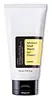 Key Ingredients
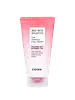
Benefits
Concerns
Ingredients Side-by-side
Water
Skin ConditioningAcrylates Copolymer
Butylene Glycol
Humectant

Glycerin
Humectant
Disodium Laureth Sulfosuccinate
CleansingSodium Cocoyl Isethionate
Cleansing
1,2-Hexanediol
Skin Conditioning
Coco-Glucoside
Cleansing
Lauryl Betaine
CleansingSnail Secretion Filtrate
Skin Conditioning


Arginine
Masking
Tromethamine
BufferingPotassium Cocoyl Glycinate
Surfactant
Parfum
Masking




Carbomer
Emulsion StabilisingSodium Chloride
MaskingEthylhexylglycerin
Skin ConditioningAcrylates/C10-30 Alkyl Acrylate Crosspolymer
Emulsion StabilisingSodium Polyacrylate
Absorbent
Disodium EDTA
Water, Acrylates Copolymer, Butylene Glycol, Glycerin, Disodium Laureth Sulfosuccinate, Sodium Cocoyl Isethionate, 1,2-Hexanediol, Coco-Glucoside, Lauryl Betaine, Snail Secretion Filtrate, Arginine, Tromethamine, Potassium Cocoyl Glycinate, Parfum, Carbomer, Sodium Chloride, Ethylhexylglycerin, Acrylates/C10-30 Alkyl Acrylate Crosspolymer, Sodium Polyacrylate, Disodium EDTA
Water
Skin ConditioningGlycerin
Humectant
Sodium Cocoyl Glycinate
Cleansing
Cellulose
Absorbent
Sodium Lauroyl Glutamate
SurfactantHydrated Silica
Abrasive
Kaolin
Abrasive

Disodium Cocoamphodiacetate
Cleansing1,2-Hexanediol
Skin Conditioning
Oryza Sativa Seed Water
Antimicrobial
Betaine
Humectant
Sodium Chloride
MaskingSodium Sweetalmondamphoacetate
CleansingLauryl Betaine
CleansingSodium Methyl Cocoyl Taurate
Cleansing
Glycol Distearate
Emollient
Sodium Polyacrylate
Absorbent
Glycol Stearate
Emollient
Ethylhexylglycerin
Skin ConditioningHydroxyacetophenone
Antioxidant
Acrylates/C10-30 Alkyl Acrylate Crosspolymer
Emulsion StabilisingCitric Acid
Buffering

Inositol
Humectant
Polyglycerin-3
Humectant
Phytosteryl/Octyldodecyl Lauroyl Glutamate
Skin ConditioningGardenia Florida Fruit Extract
Skin ConditioningDextrin
AbsorbentCyanocobalamin
Skin ConditioningHexylene Glycol
EmulsifyingButylene Glycol
Humectant
Panthenol
Skin Conditioning
Oryza Sativa Extract
Absorbent

Niacinamide
Smoothing

Gluconolactone
Skin Conditioning
Phytic Acid
Beta-Glucan
Skin Conditioning
Sodium Hyaluronate
Humectant
Tocopherol
Antioxidant
Ceramide NP
Skin Conditioning
Hydrolyzed Hyaluronic Acid
Humectant
Sodium Acetylated Hyaluronate
Humectant
Water, Glycerin, Sodium Cocoyl Glycinate, Cellulose, Sodium Lauroyl Glutamate, Hydrated Silica, Kaolin, Disodium Cocoamphodiacetate, 1,2-Hexanediol, Oryza Sativa Seed Water, Betaine, Sodium Chloride, Sodium Sweetalmondamphoacetate, Lauryl Betaine, Sodium Methyl Cocoyl Taurate, Glycol Distearate, Sodium Polyacrylate, Glycol Stearate, Ethylhexylglycerin, Hydroxyacetophenone, Acrylates/C10-30 Alkyl Acrylate Crosspolymer, Citric Acid, Inositol, Polyglycerin-3, Phytosteryl/Octyldodecyl Lauroyl Glutamate, Gardenia Florida Fruit Extract, Dextrin, Cyanocobalamin, Hexylene Glycol, Butylene Glycol, Panthenol, Oryza Sativa Extract, Niacinamide, Gluconolactone, Phytic Acid, Beta-Glucan, Sodium Hyaluronate, Tocopherol, Ceramide NP, Hydrolyzed Hyaluronic Acid, Sodium Acetylated Hyaluronate
Reviews
Ingredients Explained
These ingredients are found in both products.
Ingredients higher up in an ingredient list are typically present in a larger amount.
1,2-Hexanediol is a synthetic liquid and another multi-functional powerhouse.
It is a:
- Humectant, drawing moisture into the skin
- Emollient, helping to soften skin
- Solvent, dispersing and stabilizing formulas
- Preservative booster, enhancing the antimicrobial activity of other preservatives
Acrylates/C10-30 Alkyl Acrylate Crosspolymer is a synthetic polymer. It is used to thicken, emulsify, and improve the texture of products.
As an emulsifier, it helps stabilize oil-in-water emulsions to give products an elegant feel when applied.
It can also form a thin protective film on skin. One study found that a formula using this polymer helped slow down how quickly other ingredients (like DEET) were absorbed through skin.
A 2024 study of over 1,300 patients confirmed that sensitization to this ingredient is rare. It is also non-mutagenic and has a clean track record.
Learn more about Acrylates/C10-30 Alkyl Acrylate CrosspolymerButylene Glycol (or BG) is used within cosmetic products for a few different reasons:
Overall, Butylene Glycol is a safe and well-rounded ingredient that works well with other ingredients.
Though this ingredient works well with most skin types, some people with sensitive skin may experience a reaction such as allergic rashes, closed comedones, or itchiness.
Learn more about Butylene GlycolEthylhexylglycerin is created from glycerin. It is a multitasker ingredient that:
The CIR Expert Panel found minimal skin absorption or sensitization of any kind in a safety assessment. Though this ingredient is considered well-tolerated, a small number of cases of allergic dermatitis have been published since 2002. Just be sure to patch test if you are unsure.
Industry-reported use ranges from 8% in rinse-off products and 2% in leave-on formulations.
Learn more about EthylhexylglycerinGlycerin (or glycerol) is a compound naturally found in your skin. It's a powerhouse humectant that pulls water into the stratum corneum.
Topically, glycerin does several things at once:
Your skin makes glycerin on its own (mostly from sebaceous oil breakdown) and shuttles it to your outermost layer of skin, or your epidermis, via aquaporin-3.
Aquaporin-3 is a transporter that is essential for normal skin hydration, elasticity, and repair. Interestingly, mice lacking in AQP3 have dry and less elastic skin that can be fully corrected with glycerin.
This ingredient is non-irritating, plays well with almost every ingredient, and works across all skin types. Typical use is anywhere between 3-10% but can go up to 79% in some leave-on products.
Just know very high concentrations (>40%) can feel tacky in low humidity.
Glycerin is the name for this ingredient in American English. British English uses Glycerol/Glycerine.
Learn more about GlycerinLauryl Betaine is a cleansing ingredient. You'll most likely see it in face washes, body washes, and shampoos. It's a type of surfactant that helps water mix with oil so dirt, sweat, and sunscreen can rinse off easily.
Chemically, lauryl betaine is an amphoteric surfactant so it carries both a positive and negative charge. This helps it create a creamy foam while being less harsh than stronger detergent-type cleansers.
According to CIR, this ingredient is generally considered safe when used in cosmetics. However, like all surfactants, it can be irritating when used in high amounts of in formulas that aren't well balanced.
Learn more about Lauryl BetaineChances are, you eat sodium chloride every day. Sodium Chloride is also known as table salt. This ingredient has many purposes in skincare: thickener, emulsifier, and exfoliator.
You'll most likely find this ingredient in cleansers where it is used to create a gel-like texture. As an emulsifier, it also prevents ingredients from separating.
You might see people debate whether Sodium Chloride is comedogenic, but there actually haven't been any comedogenic tests done on it. Either way, the overall formulation of a product matters a lot more than any single ingredient.
You might see this ingredient used in scrubs as a primary exfoliating ingredient.
Learn more about Sodium ChlorideSodium Polyacrylate is the sodium salt of polyacrylic acid. It is used as an absorber, emollient, and stabilizer.
This ingredient is a super-absorbent polymer - meaning it can absorb 100 to 1000 times its mass in water. As an emollient, Sodium Polyacrylate helps soften and soothe skin. Emollients work by creating a barrier to trap moisture in. This helps keep your skin hydrated.
Water. It's the most common cosmetic ingredient of all. You'll usually see it at the top of ingredient lists, meaning that it makes up the largest part of the product.
So why is it so popular? Water most often acts as a solvent - this means that it helps dissolve other ingredients into the formulation.
You'll also recognize water as that liquid we all need to stay alive. If you see this, drink a glass of water. Remember to stay hydrated!
Learn more about Water

