This barrier-repair lip moisturizer is formulated around Ceramide NP and Ceramide AP to strengthen the lip barrier and hydrate lips.
This hydrating lip mask is formulated around Butyrospermum Parkii Butter and Simmondsia Chinensis Seed Oil to hydrate lips and strengthen the lip barrier.


What's inside
What's inside
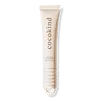 Key Ingredients
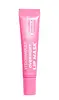
Benefits
Concerns
Ingredients Side-by-side
Polybutene
Ethylhexyl Palmitate
Emollient




Caprylic/Capric Triglyceride
Masking


Hydrogenated Castor Oil
Emollient
Stearalkonium Hectorite
Gel FormingRicinus Communis Seed Oil
Masking
Glycerin
Humectant
Ceramide NP
Skin Conditioning



Ceramide AP
Skin Conditioning
Portulaca Pilosa Extract
Skin ConditioningTocopherol
Antioxidant



Vaccinium Macrocarpon Seed Oil
Skin Conditioning
Helianthus Annuus Seed Oil
Emollient
Palmitoyl Tripeptide-38
Skin Conditioning

Cetearyl Ethylhexanoate
Emollient
Isostearyl Isostearate
Emollient
Polyglyceryl-3 Diisostearate
Emulsifying
Polyglyceryl-3 Polyricinoleate
Emulsifying
Sorbitan Isostearate
Emulsifying
Sucrose Cocoate
Emulsifying
Titanium Dioxide
Cosmetic Colorant

Polybutene, Ethylhexyl Palmitate, Caprylic/Capric Triglyceride, Hydrogenated Castor Oil, Stearalkonium Hectorite, Ricinus Communis Seed Oil, Glycerin, Ceramide NP, Ceramide AP, Portulaca Pilosa Extract, Tocopherol, Vaccinium Macrocarpon Seed Oil, Helianthus Annuus Seed Oil, Palmitoyl Tripeptide-38, Cetearyl Ethylhexanoate, Isostearyl Isostearate, Polyglyceryl-3 Diisostearate, Polyglyceryl-3 Polyricinoleate, Sorbitan Isostearate, Sucrose Cocoate, Titanium Dioxide
Hydrogenated Polyisobutene
EmollientPhytosteryl/Isostearyl/Cetyl/Stearyl/Behenyl Dimer Dilinoleate
Skin Conditioning
Diisostearyl Malate
EmollientButyrospermum Parkii Butter
Skin Conditioning
Ethylene/Propylene/Styrene Copolymer
Synthetic Wax
Abrasive
Butylene/Ethylene/Styrene Copolymer
CI 77891
Cosmetic ColorantEthylhexylglycerin
Skin ConditioningPolyglyceryl-2 Triisostearate
Emulsifying
Pentaerythrityl Tetra-Di-T-Butyl Hydroxyhydrocinnamate
Antioxidant
Simmondsia Chinensis Seed Oil
Emollient
CI 16035
Cosmetic ColorantPunica Granatum Flower Extract
Skin Conditioning
CI 45410
Cosmetic ColorantPolyglyceryl-3 Diisostearate
Emulsifying
Water
Skin ConditioningTocopherol
Antioxidant
Ascorbic Acid
Antioxidant
Panthenol
Skin Conditioning
Butylene Glycol
Humectant
1,2-Hexanediol
Skin Conditioning
Vanilla Planifolia Fruit Extract
Skin Conditioning
Sodium Hyaluronate
Humectant
Theobroma Cacao Extract
Skin ConditioningHydroxypropyltrimonium Hyaluronate
Sodium Acetylated Hyaluronate
Humectant
Hydrolyzed Hyaluronic Acid
Humectant
Hyaluronic Acid
Humectant
Hydrolyzed Sodium Hyaluronate
Skin Conditioning
Glycine Soja Peptide
Skin Conditioning
Sodium Hyaluronate Crosspolymer
Humectant
Palmitoyl Hexapeptide-12
Skin Conditioning
Potassium Hyaluronate
Skin ConditioningParfum
Masking

Hydrogenated Polyisobutene, Phytosteryl/Isostearyl/Cetyl/Stearyl/Behenyl Dimer Dilinoleate, Diisostearyl Malate, Butyrospermum Parkii Butter, Ethylene/Propylene/Styrene Copolymer, Synthetic Wax, Butylene/Ethylene/Styrene Copolymer, CI 77891, Ethylhexylglycerin, Polyglyceryl-2 Triisostearate, Pentaerythrityl Tetra-Di-T-Butyl Hydroxyhydrocinnamate, Simmondsia Chinensis Seed Oil, CI 16035, Punica Granatum Flower Extract, CI 45410, Polyglyceryl-3 Diisostearate, Water, Tocopherol, Ascorbic Acid, Panthenol, Butylene Glycol, 1,2-Hexanediol, Vanilla Planifolia Fruit Extract, Sodium Hyaluronate, Theobroma Cacao Extract, Hydroxypropyltrimonium Hyaluronate, Sodium Acetylated Hyaluronate, Hydrolyzed Hyaluronic Acid, Hyaluronic Acid, Hydrolyzed Sodium Hyaluronate, Glycine Soja Peptide, Sodium Hyaluronate Crosspolymer, Palmitoyl Hexapeptide-12, Potassium Hyaluronate, Parfum
Reviews
Ingredients Explained
These ingredients are found in both products.
Ingredients higher up in an ingredient list are typically present in a larger amount.
Polyglyceryl-3 Diisostearate is a plant-derived, oil-soluble emulsifier. It keeps water-in-oil emulsions stable to prevent the ingredients from separating.
On the safety front, it's considered non-irritating and well-tolerated (it can even be found in formulations for baby skin).
This ingredient may not be fungal acne safe because research has shown that the Malassezia species can grow in the presence of fatty acid esters with chain lengths above C12 (and this one is C18).
While it does have a comedogenic rating of 4, the comedogenic rating scale was developed from rabbit ear models which has limited clinical relevance to human skin. Studies also show that comedogenic ingredients cannot predict how the overall formula will behave on human skin.
Learn more about Polyglyceryl-3 DiisostearateTocopherol is a fat-soluble antioxidant known as Vitamin E.
You'll find this ingredient in the vast majority of skincare (for good reason). It works to neutralize free radicals, or unstable molecules generated by UV exposure, pollution, and other environmental stressors, before they can cause oxidative damage to your skin cells.
Topically applied tocopherol has been shown to protect against UV damage by ramping up the skin's own natural defense enzymes.
It also acts as a skin conditioning agent; some studies show that regular topical use can improve the skin's water-binding capacity over 2-4 weeks.
This ingredient is especially loved for being a team player. When combined with Vitamin C, the photoprotective effect of both ingredients roughly doubles and the combo also helps reduce UV-induced DNA damage.
This ingredient has some brightening potential but it's more of a prevention ingredient than spot-fader. Cell studies show it can slow down melanin production but it's worth noting that it's not the most powerful brightener out there.
In formulations, it also serves as a stabilizer that helps protect other oxidation-prone ingredients from degrading.
Concentrations usually range from 0.1-1% in most leave-on products.
Learn more about Tocopherol

