
What's inside
What's inside
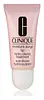 Key Ingredients
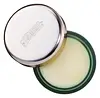
Benefits
Concerns
Ingredients Side-by-side
Petrolatum
Emollient


Polybutene
Polyglyceryl-2 Triisostearate
Emulsifying
Hydrogenated Polyisobutene
EmollientTocopheryl Acetate
Antioxidant


Pvp
Emulsion StabilisingSilica
Abrasive


Hydrogenated Castor Oil
Emollient
PPG-51/Smdi Copolymer
Caprylic/Capric/Myristic/Stearic Triglyceride
EmollientButyrospermum Parkii Butter
Skin Conditioning

Sea Whip Extract
Skin ConditioningCeramide Ng
Skin Conditioning


Cholesterol
Emollient
Astrocaryum Murumuru Seed Butter
Emollient
Caprylic/Capric Triglyceride
Masking
Ethylene/Propylene/Styrene Copolymer
C12-16 Alcohols
EmollientTetrahexyldecyl Ascorbate
Antioxidant



Butylene/Ethylene/Styrene Copolymer
Caprylyl Glycol
Emollient
Palmitic Acid
Emollient
Hydrogenated Lecithin
Emulsifying
Petrolatum, Polybutene, Polyglyceryl-2 Triisostearate, Hydrogenated Polyisobutene, Tocopheryl Acetate, Pvp, Silica, Hydrogenated Castor Oil, PPG-51/Smdi Copolymer, Caprylic/Capric/Myristic/Stearic Triglyceride, Butyrospermum Parkii Butter, Sea Whip Extract, Ceramide Ng, Cholesterol, Astrocaryum Murumuru Seed Butter, Caprylic/Capric Triglyceride, Ethylene/Propylene/Styrene Copolymer, C12-16 Alcohols, Tetrahexyldecyl Ascorbate, Butylene/Ethylene/Styrene Copolymer, Caprylyl Glycol, Palmitic Acid, Hydrogenated Lecithin
Petrolatum
Emollient
Octyldodecanol
Emollient
Microcrystalline Wax
Emulsion StabilisingOctyldodecyl Stearoyl Stearate
Emollient
Bis-Diglyceryl Polyacyladipate-2
Emollient
Polyglyceryl-10 Pentaoleate
Emulsifying
Phenyl Trimethicone
Skin Conditioning
Aloe Barbadensis Leaf Extract
Emollient
Algae Extract
EmollientMalachite
Skin ConditioningTourmaline
Sesamum Indicum Seed Oil
Emollient
Eucalyptus Globulus Leaf Oil
Perfuming




Sesamum Indicum Seed Powder
Skin ConditioningMedicago Sativa Seed Powder
Skin ConditioningHelianthus Annuus Seedcake
Abrasive
Prunus Amygdalus Dulcis Seed Meal
Abrasive
Sodium Gluconate
Skin ConditioningCopper Gluconate
Skin Conditioning
Calcium Gluconate
HumectantMagnesium Gluconate
Skin ConditioningZinc Gluconate
Skin Conditioning

Tocopheryl Succinate
Antioxidant
Niacin
SmoothingRicinus Communis Seed Oil
Masking
Glycine Soja Oil
Emollient
Phytosphingosine
Skin Conditioning
Trehalose
Humectant
Polybutene
Tocopheryl Acetate
Antioxidant
Cholesterol
Emollient
Glyceryl Distearate
Emollient
Water
Skin ConditioningGlycerin
Humectant
Menthyl PCA
HumectantOleic Acid
Emollient
Palmitic Acid
Emollient
Sodium Saccharin
MaskingSorbitan Sesquioleate
Emulsifying
CI 77220
Cosmetic ColorantSodium Bicarbonate
Abrasive
Parfum
Masking

Benzyl Benzoate
Antimicrobial
Limonene
Perfuming
Linalool
Perfuming
BHT
Antioxidant
CI 42090
Cosmetic ColorantCI 19140
Cosmetic ColorantPetrolatum, Octyldodecanol, Microcrystalline Wax, Octyldodecyl Stearoyl Stearate, Bis-Diglyceryl Polyacyladipate-2, Polyglyceryl-10 Pentaoleate, Phenyl Trimethicone, Aloe Barbadensis Leaf Extract, Algae Extract, Malachite, Tourmaline, Sesamum Indicum Seed Oil, Eucalyptus Globulus Leaf Oil, Sesamum Indicum Seed Powder, Medicago Sativa Seed Powder, Helianthus Annuus Seedcake, Prunus Amygdalus Dulcis Seed Meal, Sodium Gluconate, Copper Gluconate, Calcium Gluconate, Magnesium Gluconate, Zinc Gluconate, Tocopheryl Succinate, Niacin, Ricinus Communis Seed Oil, Glycine Soja Oil, Phytosphingosine, Trehalose, Polybutene, Tocopheryl Acetate, Cholesterol, Glyceryl Distearate, Water, Glycerin, Menthyl PCA, Oleic Acid, Palmitic Acid, Sodium Saccharin, Sorbitan Sesquioleate, CI 77220, Sodium Bicarbonate, Parfum, Benzyl Benzoate, Limonene, Linalool, BHT, CI 42090, CI 19140
Reviews
Alternatives
Ingredients Explained
These ingredients are found in both products.
Ingredients higher up in an ingredient list are typically present in a larger amount.
Cholesterol is a lipid that is naturally found in human skin and is one of the three key components of your skin barrier. In skincare, it is an emollient and barrier-repairing ingredient.
It works by fitting directly into the lipid layers of skin to help restore structure and reduce transepidermal water loss (TEWL).
This is a great ingredient for dry, compromised, or aging skin; our skin starts to produce less cholesterol with age.
Research shows cholesterol works best in combination with ceramides and fatty acids, the other two major components in your skin barrier.
Cholesterol is also a well-establish penetration enhancer and can help other actives absorb more effectively.
Cosmetic-grade cholesterol is usually derived from lanolin but plant and synthetic options also exist. We recommend reaching out to the brand if you have questions about their source of cholesterol.
Learn more about CholesterolPalmitic Acid is a fatty acid naturally found in our skin and in many plant and animal sources. In cosmetics, it is usually derived from palm oil. It serves many purposes in skincare, acting as a cleanser, emollient, and emulsifier.
Interestingly, topically applied Palmitic Acid can be elongated into longer chain fatty acids and ceramides. A 2019 study found low levels of Palmitic Acid lead to slower development of cells, suggesting it plays a role in keeping your skin's renewal process on track.
The CIR (Cosmetic Ingredient Review) panel determined it safe as used in cosmetics at concentrations up to 13%. It is non-irritating and non-sensitizing in clinical studies.
The culprit behind fungal acne, the Malassezia yeast, feeds on fatty acids with carbon chain lengths between C11-C24. Palmitic Acid, at C16, falls right into that sweet spot.
In vitro studies have shown that Palmitic Acid is one of the fatty acids that induce rapid Malassezia growth in lab settings.
It's worth noting that what feeds yeast in a lab doesn't necessarily feed it on your face since formulation and your skin's chemistry play a bigger role.
Learn more about Palmitic AcidPetrolatum is more commonly known as petroleum jelly. It is created by mixing waxes and mineral oils.
This ingredient is effective at reducing water loss by 99%. This is because it is an occlusive. Occlusives create a hydrophobic barrier on the skin to prevent evaporation. This property makes it great for hydrating dry skin.
Pro tip: Use occlusives, such as this ingredient, on damp skin for the best results.
The quality or origin of petrolatum is only known when disclosed by the brand. Most cosmetic petrolatum has gone through several purification stages.
Another benefit of occlusives is it protects your skin against infection or allergies.
Petrolatum is fungal acne safe. It is a hydrocarbon with no fatty acid structure, so Malassezia cannot metabolize it. In-vitro studies support negligible growth stimulation as well.
It's also worth noting that petrolatum has a comedogenic rating of 0. In updated rabbit ear testing (and in human testing), petrolatum was found to be not comedogenic. This means it didn’t promote comedone formation in standard models.
Learn more about PetrolatumPolybutene is used to help control the viscosity of a product. This just means it helps adjusts the texture.
It is a polymer and does not get absorbed into the skin due to its large size.
Studies found this ingredient did not irritate skin in concentrations below 15%.
Learn more about PolybuteneTocopheryl Acetate is AKA Vitamin E. It is an antioxidant and protects your skin from free radicals. Free radicals damage the skin by breaking down collagen.
One study found using Tocopheryl Acetate with Vitamin C decreased the number of sunburned cells.
Tocopheryl Acetate is commonly found in both skincare and dietary supplements.
Learn more about Tocopheryl Acetate
