

What's inside
What's inside
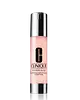 Key Ingredients
Benefits
Concerns
Ingredients Side-by-side
Water
Skin ConditioningGlycerin
Humectant



Butylene Glycol
Humectant
Phenyl Trimethicone
Skin Conditioning
Propanediol
Solvent
Sucrose
Humectant
Hydroxyethyl Urea
Humectant
Alteromonas Ferment Extract
Skin Conditioning
Hydrolyzed Rice Extract
Skin Conditioning
Acetyl Glucosamine
Skin ConditioningTrehalose
Humectant
Algae Extract
Emollient
Caffeine
Skin Conditioning
Cholesterol
Emollient
Aloe Barbadensis Leaf Water
MaskingSodium Hyaluronate
Humectant
Pentaerythrityl Tetraethylhexanoate
Emollient
Dextrin Palmitate
Emulsifying
Acrylates/C10-30 Alkyl Acrylate Crosspolymer
Emulsion StabilisingSorbitol
Humectant
Sodium Polyaspartate
HumectantTocopheryl Acetate
Antioxidant

Carbomer
Emulsion StabilisingDehydroxanthan Gum
Emulsion StabilisingCitric Acid
Buffering




Tetrahexyldecyl Ascorbate
Antioxidant

Benzophenone-4
UV Absorber
Pentaerythrityl Tetra-Di-T-Butyl Hydroxyhydrocinnamate
Antioxidant
Sodium Hydroxide
BufferingSodium Citrate
BufferingDisodium EDTA
BHT
Antioxidant
Chlorphenesin
Antimicrobial
Phenoxyethanol
Preservative
CI 14700
Cosmetic ColorantCI 19140
Cosmetic ColorantWater, Glycerin, Butylene Glycol, Phenyl Trimethicone, Propanediol, Sucrose, Hydroxyethyl Urea, Alteromonas Ferment Extract, Hydrolyzed Rice Extract, Acetyl Glucosamine, Trehalose, Algae Extract, Caffeine, Cholesterol, Aloe Barbadensis Leaf Water, Sodium Hyaluronate, Pentaerythrityl Tetraethylhexanoate, Dextrin Palmitate, Acrylates/C10-30 Alkyl Acrylate Crosspolymer, Sorbitol, Sodium Polyaspartate, Tocopheryl Acetate, Carbomer, Dehydroxanthan Gum, Citric Acid, Tetrahexyldecyl Ascorbate, Benzophenone-4, Pentaerythrityl Tetra-Di-T-Butyl Hydroxyhydrocinnamate, Sodium Hydroxide, Sodium Citrate, Disodium EDTA, BHT, Chlorphenesin, Phenoxyethanol, CI 14700, CI 19140
Water
Skin ConditioningButylene Glycol
Humectant
Dipropylene Glycol
HumectantGlycerin
Humectant
Squalane
Emollient
1,2-Hexanediol
Skin Conditioning
Ammonium Acryloyldimethyltaurate/Vp Copolymer
Propanediol
Solvent
Carbomer
Emulsion StabilisingCetearyl Alcohol
Emollient

Tromethamine
BufferingPolyglyceryl-3 Methylglucose Distearate
Emulsifying
Dextrin
AbsorbentHydrogenated Lecithin
Emulsifying
Ethylhexylglycerin
Skin ConditioningParfum
Masking

Glyceryl Stearate Citrate
Emollient
Disodium EDTA
Betaine
Humectant
Hydrolyzed Hyaluronic Acid
Humectant
Beta-Glucan
Skin Conditioning
Xylitylglucoside
Humectant
Anhydroxylitol
Humectant
Xylitol
Humectant
Lactobacillus Ferment Lysate
Skin Conditioning
Glucose
Humectant
Tocopherol
Antioxidant
Magnesium Chloride
Tetradecyl Aminobutyroylvalylaminobutyric Urea Trifluoroacetate
Skin ConditioningUndaria Pinnatifida Extract
Skin ConditioningWater, Butylene Glycol, Dipropylene Glycol, Glycerin, Squalane, 1,2-Hexanediol, Ammonium Acryloyldimethyltaurate/Vp Copolymer, Propanediol, Carbomer, Cetearyl Alcohol, Tromethamine, Polyglyceryl-3 Methylglucose Distearate, Dextrin, Hydrogenated Lecithin, Ethylhexylglycerin, Parfum, Glyceryl Stearate Citrate, Disodium EDTA, Betaine, Hydrolyzed Hyaluronic Acid, Beta-Glucan, Xylitylglucoside, Anhydroxylitol, Xylitol, Lactobacillus Ferment Lysate, Glucose, Tocopherol, Magnesium Chloride, Tetradecyl Aminobutyroylvalylaminobutyric Urea Trifluoroacetate, Undaria Pinnatifida Extract
Reviews
Ingredients Explained
These ingredients are found in both products.
Ingredients higher up in an ingredient list are typically present in a larger amount.
Butylene Glycol (or BG) is used within cosmetic products for a few different reasons:
Overall, Butylene Glycol is a safe and well-rounded ingredient that works well with other ingredients.
Though this ingredient works well with most skin types, some people with sensitive skin may experience a reaction such as allergic rashes, closed comedones, or itchiness.
Learn more about Butylene GlycolCarbomer is a polymer of acrylic acid. Its main role is to create a gel consistency.
A high amount of carbomer can cause pilling or balling up of products. Don't worry, most products contain 1% or less of carbomer.
Disodium EDTA plays a role in making products more stable by aiding other preservatives.
It is a chelating agent, meaning it neutralizes metal ions that may be found in a product.
Disodium EDTA is a salt of edetic acid and is found to be safe in cosmetic ingredients.
Learn more about Disodium EDTAGlycerin is already naturally found in your skin. It helps moisturize and protect your skin.
A study from 2016 found glycerin to be more effective as a humectant than AHAs and hyaluronic acid.
As a humectant, it helps the skin stay hydrated by pulling moisture to your skin. The low molecular weight of glycerin allows it to pull moisture into the deeper layers of your skin.
Hydrated skin improves your skin barrier; Your skin barrier helps protect against irritants and bacteria.
Glycerin has also been found to have antimicrobial and antiviral properties. Due to these properties, glycerin is often used in wound and burn treatments.
In cosmetics, glycerin is usually derived from plants such as soybean or palm. However, it can also be sourced from animals, such as tallow or animal fat.
This ingredient is organic, colorless, odorless, and non-toxic.
Glycerin is the name for this ingredient in American English. British English uses Glycerol/Glycerine.
Learn more about GlycerinPropanediol is an all-star ingredient. It softens, hydrates, and smooths the skin.
It’s often used to:
Propanediol is not likely to cause sensitivity and considered safe to use. It is derived from corn or petroleum with a clear color and no scent.
Learn more about PropanediolWater. It's the most common cosmetic ingredient of all. You'll usually see it at the top of ingredient lists, meaning that it makes up the largest part of the product.
So why is it so popular? Water most often acts as a solvent - this means that it helps dissolve other ingredients into the formulation.
You'll also recognize water as that liquid we all need to stay alive. If you see this, drink a glass of water. Stay hydrated!
Learn more about Water
