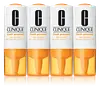
This anti-aging serum is formulated around Ascorbic Acid and Acetyl Glucosamine to soften the look of wrinkles and brighten dull-looking skin.
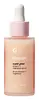
This brightening serum is formulated around Magnesium Ascorbyl Phosphate to brighten dull-looking skin and refine skin texture.

What's inside
What's inside
 Key Ingredients
Benefits
Concerns
Ingredients Side-by-side
Water
Skin ConditioningAscorbic Acid
Antioxidant






Glycerin
Humectant

Dimethicone
Emollient
Squalane
Emollient
Butylene Glycol
Humectant
Dipropylene Glycol
HumectantAcetyl Glucosamine
Skin Conditioning
Cucumis Sativus Fruit Extract
Emollient

Hordeum Vulgare Extract
EmollientMolasses Extract
Skin ConditioningLaminaria Digitata Extract
Skin Protecting
Acetyl Hexapeptide-8
Humectant
Algae Extract
EmollientPalmitoyl Hexapeptide-12
Skin Conditioning
Palmitoyl Tripeptide-1
Skin Conditioning
Palmitoyl Tetrapeptide-7
Skin Conditioning
Alcaligenes Polysaccharides
EmollientCaffeine
Skin Conditioning
Sucrose
Humectant
Betaine
Humectant
Whey Protein
Skin ConditioningSalicylic Acid
Masking








Glycine Soja Protein
EmulsifyingSodium Hyaluronate
Humectant
Caprylyl Glycol
Emollient
Sigesbeckia Orientalis Extract
Skin ConditioningBis-PEG-18 Methyl Ether Dimethyl Silane
EmollientPropylene Glycol Dicaprate
EmollientHelianthus Annuus Seedcake
Abrasive
Allyl Methacrylates Crosspolymer
Emulsion StabilisingCarbomer
Emulsion StabilisingGlyceryl Polymethacrylate
Tromethamine
BufferingXanthan Gum
EmulsifyingPotassium Sorbate
Preservative
PEG-8
HumectantCalcium Chloride
AstringentPolysorbate 20
Emulsifying
Sodium Citrate
BufferingDisodium EDTA
Phenoxyethanol
Preservative
Water, Ascorbic Acid, Glycerin, Dimethicone, Squalane, Butylene Glycol, Dipropylene Glycol, Acetyl Glucosamine, Cucumis Sativus Fruit Extract, Hordeum Vulgare Extract, Molasses Extract, Laminaria Digitata Extract, Acetyl Hexapeptide-8, Algae Extract, Palmitoyl Hexapeptide-12, Palmitoyl Tripeptide-1, Palmitoyl Tetrapeptide-7, Alcaligenes Polysaccharides, Caffeine, Sucrose, Betaine, Whey Protein, Salicylic Acid, Glycine Soja Protein, Sodium Hyaluronate, Caprylyl Glycol, Sigesbeckia Orientalis Extract, Bis-PEG-18 Methyl Ether Dimethyl Silane, Propylene Glycol Dicaprate, Helianthus Annuus Seedcake, Allyl Methacrylates Crosspolymer, Carbomer, Glyceryl Polymethacrylate, Tromethamine, Xanthan Gum, Potassium Sorbate, PEG-8, Calcium Chloride, Polysorbate 20, Sodium Citrate, Disodium EDTA, Phenoxyethanol
Water
Skin ConditioningMagnesium Ascorbyl Phosphate
Antioxidant
Propanediol
Solvent
Dimethicone
Emollient
Glyceryl Stearate Se
Emulsifying

Polyglyceryl-10 Oleate
Skin Conditioning
Caprylic/Capric Triglyceride
Masking
Cetyl Alcohol
Emollient
Glycerin
Humectant
Magnesium PCA
Humectant
Simmondsia Chinensis Seed Oil
Emollient
Butyrospermum Parkii Butter
Skin Conditioning
Helianthus Annuus Seed Oil
Emollient
Evodia Rutaecarpa Fruit Extract
Skin ConditioningMelia Azadirachta Flower Extract
Skin ConditioningMelia Azadirachta Leaf Extract
Skin ConditioningCorallina Officinalis Extract
Skin Conditioning
Coccinia Indica Fruit Extract
Skin Conditioning
1,2-Hexanediol
Skin Conditioning
Sodium Stearoyl Lactylate
EmulsifyingBetaine
Humectant
Sodium Citrate
BufferingXanthan Gum
EmulsifyingCaprylhydroxamic Acid
Water, Magnesium Ascorbyl Phosphate, Propanediol, Dimethicone, Glyceryl Stearate Se, Polyglyceryl-10 Oleate, Caprylic/Capric Triglyceride, Cetyl Alcohol, Glycerin, Magnesium PCA, Simmondsia Chinensis Seed Oil, Butyrospermum Parkii Butter, Helianthus Annuus Seed Oil, Evodia Rutaecarpa Fruit Extract, Melia Azadirachta Flower Extract, Melia Azadirachta Leaf Extract, Corallina Officinalis Extract, Coccinia Indica Fruit Extract, 1,2-Hexanediol, Sodium Stearoyl Lactylate, Betaine, Sodium Citrate, Xanthan Gum, Caprylhydroxamic Acid
Reviews
Ingredients Explained
These ingredients are found in both products.
Ingredients higher up in an ingredient list are typically present in a larger amount.
Betaine is a humectant. Like hyaluronic acid, it helps attract and retain moisture in the skin. It’s known for being gentle and for helping the skin maintain balanced hydration.
Betaine is mainly used to improve hydration and support calmer skin. It helps skin cells regulate water balance because it functions as an osmolyte.
Some studies suggest betaine may support making skin tone more even.
Fun fact: Betaine naturally exists in the skin and the body. In cosmetic products, it can be either plant-derived (most commonly from sugar beets) or synthetically produced for consistency and stability.
Betaine is also known as trimethylglycine.
Learn more about BetaineDimethicone is a type of synthetic silicone created from natural materials such as quartz. It is also known as polydimethylsiloxane.
What it does:
Dimethicone comes in different viscosities:
Depending on the viscosity, dimethicone has different properties.
Ingredients lists don't always show which type is used, so we recommend reaching out to the brand if you have questions about the viscosity.
This ingredient is unlikely to cause irritation because it does not get absorbed into skin. However, people with silicone allergies should be careful about using this ingredient.
Note: Dimethicone may contribute to pilling. This is because it is not oil or water soluble, so pilling may occur when layered with products. When mixed with heavy oils in a formula, the outcome is also quite greasy.
Learn more about DimethiconeGlycerin (or glycerol) is a compound naturally found in your skin. It's a powerhouse humectant that pulls water into the stratum corneum.
Topically, glycerin does several things at once:
Your skin makes glycerin on its own (mostly from sebaceous oil breakdown) and shuttles it to your outermost layer of skin, or your epidermis, via aquaporin-3.
Aquaporin-3 is a transporter that is essential for normal skin hydration, elasticity, and repair. Interestingly, mice lacking in AQP3 have dry and less elastic skin that can be fully corrected with glycerin.
This ingredient is non-irritating, plays well with almost every ingredient, and works across all skin types. Typical use is anywhere between 3-10% but can go up to 79% in some leave-on products.
Just know very high concentrations (>40%) can feel tacky in low humidity.
Glycerin is the name for this ingredient in American English. British English uses Glycerol/Glycerine.
Learn more about GlycerinSodium Citrate is the sodium salts of citric acid. In skincare, it is used to alter pH levels and acts as a preservative.
Its main functions are to maintain the pH of a product and neutralize metal ions.
The acidity of our skin is maintained by our glands and skin biome; normal pH level of skin is slightly acidic (~4.75-5.5).
Being slightly acidic allows our skin to create an "acid mantle". This acid mantle is a thin barrier that protects our skin from bacteria and contaminants.
Learn more about Sodium CitrateWater. It's the most common cosmetic ingredient of all. You'll usually see it at the top of ingredient lists, meaning that it makes up the largest part of the product.
So why is it so popular? Water most often acts as a solvent - this means that it helps dissolve other ingredients into the formulation.
You'll also recognize water as that liquid we all need to stay alive. If you see this, drink a glass of water. Remember to stay hydrated!
Learn more about WaterXanthan gum is used as a stabilizer and thickener within cosmetic products. It helps give products a sticky, thick feeling - preventing them from being too runny.
On the technical side of things, xanthan gum is a polysaccharide - a combination consisting of multiple sugar molecules bonded together.
Xanthan gum is a pretty common and great ingredient. It is a natural, non-toxic, non-irritating ingredient that is also commonly used in food products.
Learn more about Xanthan Gum


