

What's inside
What's inside
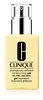 Key Ingredients
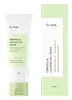
Benefits
Concerns
No concerns
Ingredients Side-by-side
Water
Skin ConditioningDimethicone
Emollient

Isododecane
EmollientButylene Glycol
Humectant

Bis-PEG-18 Methyl Ether Dimethyl Silane
EmollientGlycerin
Humectant
Laminaria Saccharina Extract
Skin ProtectingPolygonum Cuspidatum Root Extract
Antioxidant
Saccharomyces Lysate Extract
Humectant
Cucumis Sativus Fruit Extract
Emollient

Hordeum Vulgare Extract
EmollientHelianthus Annuus Seedcake
Abrasive
Caffeine
Skin Conditioning
Trehalose
Humectant
Sodium Hyaluronate
Humectant
Tocopheryl Acetate
Antioxidant

Polysilicone-11

Silica
Abrasive
Propylene Glycol Dicaprate
EmollientOleth-10
EmulsifyingLactobacillus Ferment
Skin Conditioning
Laureth-23
Cleansing
Laureth-4
Emulsifying
Ammonium Acryloyldimethyltaurate/Vp Copolymer
Carbomer
Emulsion StabilisingCaprylyl Glycol
Emollient
Hexylene Glycol
EmulsifyingTromethamine
BufferingDisodium EDTA
Phenoxyethanol
Preservative
CI 19140
Cosmetic ColorantCI 14700
Cosmetic ColorantCI 15985
Cosmetic ColorantWater, Dimethicone, Isododecane, Butylene Glycol, Bis-PEG-18 Methyl Ether Dimethyl Silane, Glycerin, Laminaria Saccharina Extract, Polygonum Cuspidatum Root Extract, Saccharomyces Lysate Extract, Cucumis Sativus Fruit Extract, Hordeum Vulgare Extract, Helianthus Annuus Seedcake, Caffeine, Trehalose, Sodium Hyaluronate, Tocopheryl Acetate, Polysilicone-11, Silica, Propylene Glycol Dicaprate, Oleth-10, Lactobacillus Ferment, Laureth-23, Laureth-4, Ammonium Acryloyldimethyltaurate/Vp Copolymer, Carbomer, Caprylyl Glycol, Hexylene Glycol, Tromethamine, Disodium EDTA, Phenoxyethanol, CI 19140, CI 14700, CI 15985
Centella Asiatica Leaf Water
Skin Conditioning
Butylene Glycol
Humectant
Melaleuca Alternifolia Leaf Water
AntimicrobialWater
Skin Conditioning1,2-Hexanediol
Skin Conditioning
Niacinamide
Smoothing



Methyl Trimethicone
Skin Conditioning
Acrylates/C10-30 Alkyl Acrylate Crosspolymer
Emulsion StabilisingArginine
Masking
Caprylyl Glycol
Emollient
Dimethicone
Emollient
Dimethicone/Vinyl Dimethicone Crosspolymer
Skin Conditioning
Centella Asiatica Extract
Cleansing
Allantoin
Skin Conditioning
Melaleuca Alternifolia Leaf Extract
Perfuming
Ethylhexylglycerin
Skin ConditioningAdenosine
Skin Conditioning
Dipotassium Glycyrrhizate
Humectant
Citrus Aurantium Bergamia Fruit Oil
Masking

Pentylene Glycol
Skin Conditioning
Sodium Hyaluronate
Humectant
Medicago Sativa Extract
TonicBrassica Oleracea Italica Extract
AstringentTriticum Vulgare Sprout Extract
Skin ConditioningBrassica Oleracea Capitata Leaf Extract
Skin ConditioningBrassica Campestris Extract
Skin ConditioningRaphanus Sativus Seed Extract
Skin ConditioningAspalathus Linearis Extract
Skin ConditioningGlycyrrhiza Glabra Root Extract
Bleaching
Commiphora Myrrha Resin Extract
Skin ConditioningPerilla Frutescens Leaf Extract
MaskingCentella Asiatica Leaf Water, Butylene Glycol, Melaleuca Alternifolia Leaf Water, Water, 1,2-Hexanediol, Niacinamide, Methyl Trimethicone, Acrylates/C10-30 Alkyl Acrylate Crosspolymer, Arginine, Caprylyl Glycol, Dimethicone, Dimethicone/Vinyl Dimethicone Crosspolymer, Centella Asiatica Extract, Allantoin, Melaleuca Alternifolia Leaf Extract, Ethylhexylglycerin, Adenosine, Dipotassium Glycyrrhizate, Citrus Aurantium Bergamia Fruit Oil, Pentylene Glycol, Sodium Hyaluronate, Medicago Sativa Extract, Brassica Oleracea Italica Extract, Triticum Vulgare Sprout Extract, Brassica Oleracea Capitata Leaf Extract, Brassica Campestris Extract, Raphanus Sativus Seed Extract, Aspalathus Linearis Extract, Glycyrrhiza Glabra Root Extract, Commiphora Myrrha Resin Extract, Perilla Frutescens Leaf Extract
Reviews
Ingredients Explained
These ingredients are found in both products.
Ingredients higher up in an ingredient list are typically present in a larger amount.
Butylene Glycol (or BG) is used within cosmetic products for a few different reasons:
Overall, Butylene Glycol is a safe and well-rounded ingredient that works well with other ingredients.
Though this ingredient works well with most skin types, some people with sensitive skin may experience a reaction such as allergic rashes, closed comedones, or itchiness.
Learn more about Butylene GlycolCaprylyl Glycol is a humectant, skin conditioner, emollient, and preservative booster derived from either caprylic acid or synthetically created.
Typical use levels vary from 0.3-1% as a preservative booster and go up to 2% to condition skin.
Because it is not a free-fatty acid or alcohol, this ingredient is fungal acne safe (there's nothing for Malassezia to feed on).
Learn more about Caprylyl GlycolDimethicone is a type of synthetic silicone created from natural materials such as quartz. It is also known as polydimethylsiloxane.
What it does:
Dimethicone comes in different viscosities:
Depending on the viscosity, dimethicone has different properties.
Ingredients lists don't always show which type is used, so we recommend reaching out to the brand if you have questions about the viscosity.
This ingredient is unlikely to cause irritation because it does not get absorbed into skin. However, people with silicone allergies should be careful about using this ingredient.
Note: Dimethicone may contribute to pilling. This is because it is not oil or water soluble, so pilling may occur when layered with products. When mixed with heavy oils in a formula, the outcome is also quite greasy.
Learn more about DimethiconeSodium Hyaluronate is the salt form of hyaluronic acid. It is a long sugar chain that is naturally found in your skin, joints, and connective tissue that maintains hydration and elasticity.
In skincare, it works as a humectant. It pulls water from the environment and deeper layers of skin and binds it to the surface.
Interestingly, the size of the molecule affects its behavior:
Some clinical evidence links low molecular weight versions to improved wrinkle depth, elasticity, anti-inflammatory effects, and barrier repair.
Many serums use a blend of both weights so you can get surface hydration plus longer-lasting and deeper effects.
You'll typically see concentrations between 0.1-2% for this ingredient.
Learn more about Sodium HyaluronateWater. It's the most common cosmetic ingredient of all. You'll usually see it at the top of ingredient lists, meaning that it makes up the largest part of the product.
So why is it so popular? Water most often acts as a solvent - this means that it helps dissolve other ingredients into the formulation.
You'll also recognize water as that liquid we all need to stay alive. If you see this, drink a glass of water. Remember to stay hydrated!
Learn more about Water
