Clearstem Skincare Gentleclean Hydrating Barrier Cleanser Versus Clearstem Skincare Gentleclean Vitamin Infused Calming Wash
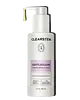
This mild gel cleanser is made to cleanse without leaving your skin tight or dry.
This mild gel cleanser is made to cleanse while calming and soothing your skin.

What's inside
What's inside
 Key Ingredients
Benefits
Concerns
Ingredients Side-by-side
Water
Skin ConditioningAloe Barbadensis Leaf Extract
Emollient


Decyl Glucoside
Cleansing
Cocamidopropyl Hydroxysultaine
Cleansing
Sodium Lauryl Sulfoacetate
CleansingDisodium Laureth Sulfosuccinate
CleansingGlycerin
Humectant

Sodium Methyl Cocoyl Taurate
Cleansing
Coco-Glucoside
Cleansing
Glyceryl Oleate
Emollient



Sodium Cocoyl Isethionate
Cleansing
Citrus Nobilis Peel Oil
Masking
Propanediol
Solvent
Tremella Fuciformis Sporocarp Extract
Antioxidant
Betaine
Humectant
Sodium Ascorbyl Phosphate
Antioxidant




Gluconolactone
Chelating


Sclerotium Gum
Emulsion StabilisingXanthan Gum
EmulsifyingHydroxyacetophenone
Antioxidant
Tetrasodium Glutamate Diacetate
ChelatingNiacinamide
Smoothing

Panthenol
Skin Conditioning
Citrus Aurantifolia Oil
Cleansing

Prunus Serrulata Flower Extract
Skin ConditioningLactic Acid
Buffering

Allantoin
Skin Conditioning
Citrus Reticulata Peel Oil
Masking
Glycyrrhiza Glabra Root Extract
Bleaching
Hippophae Rhamnoides Seed Oil
Skin Protecting
Arnica Montana Flower Extract
Masking
Camellia Sinensis Leaf Extract
Antimicrobial
Magnesium PCA
Humectant
Copper PCA
HumectantZinc PCA
Humectant
Glucosyl Hesperidin
HumectantHelianthus Annuus Seed Oil
Emollient
Capsaicin
Masking
Tocopherol
Antioxidant
Citric Acid
Buffering
Phenethyl Alcohol
MaskingPentylene Glycol
Skin Conditioning
Water, Aloe Barbadensis Leaf Extract, Decyl Glucoside, Cocamidopropyl Hydroxysultaine, Sodium Lauryl Sulfoacetate, Disodium Laureth Sulfosuccinate, Glycerin, Sodium Methyl Cocoyl Taurate, Coco-Glucoside, Glyceryl Oleate, Sodium Cocoyl Isethionate, Citrus Nobilis Peel Oil, Propanediol, Tremella Fuciformis Sporocarp Extract, Betaine, Sodium Ascorbyl Phosphate, Gluconolactone, Sclerotium Gum, Xanthan Gum, Hydroxyacetophenone, Tetrasodium Glutamate Diacetate, Niacinamide, Panthenol, Citrus Aurantifolia Oil, Prunus Serrulata Flower Extract, Lactic Acid, Allantoin, Citrus Reticulata Peel Oil, Glycyrrhiza Glabra Root Extract, Hippophae Rhamnoides Seed Oil, Arnica Montana Flower Extract, Camellia Sinensis Leaf Extract, Magnesium PCA, Copper PCA, Zinc PCA, Glucosyl Hesperidin, Helianthus Annuus Seed Oil, Capsaicin, Tocopherol, Citric Acid, Phenethyl Alcohol, Pentylene Glycol
Water
Skin ConditioningSodium Lauroyl Methyl Isethionate
CleansingGlycerin
Humectant
Cocamidopropyl Betaine
Cleansing
Sodium Methyl Oleoyl Taurate
CleansingSorbitan Oleate Decylglucoside Crosspolymer
CleansingSodium Cocoyl Glycinate
Cleansing
Sclerotium Gum
Emulsion StabilisingPolysorbate 20
Emulsifying
Lauryl Glucoside
CleansingCoco-Glucoside
Cleansing
Camellia Sinensis Leaf Extract
Antimicrobial
Glycyrrhiza Glabra Root Extract
Bleaching
Allantoin
Skin Conditioning
Chamomilla Recutita Flower Extract
Masking
Cucumis Sativus Fruit Extract
Emollient
Emblica Officinalis Fruit Extract
Skin ConditioningHydrastis Canadensis Extract
MaskingHippophae Rhamnoides Seed Oil
Skin Protecting
Citrus Paradisi Fruit Extract
Skin ConditioningCitrus Paradisi Seed Extract
Masking
Capsaicin
Masking
Hesperidin
EmollientCitrus Reticulata Peel Oil
Masking
Ascorbic Acid
Antioxidant
Lactic Acid
Buffering
Citric Acid
Buffering
Jasminum Officinale Extract
Masking
Mangifera Indica Fruit Extract
Skin ConditioningWater, Sodium Lauroyl Methyl Isethionate, Glycerin, Cocamidopropyl Betaine, Sodium Methyl Oleoyl Taurate, Sorbitan Oleate Decylglucoside Crosspolymer, Sodium Cocoyl Glycinate, Sclerotium Gum, Polysorbate 20, Lauryl Glucoside, Coco-Glucoside, Camellia Sinensis Leaf Extract, Glycyrrhiza Glabra Root Extract, Allantoin, Chamomilla Recutita Flower Extract, Cucumis Sativus Fruit Extract, Emblica Officinalis Fruit Extract, Hydrastis Canadensis Extract, Hippophae Rhamnoides Seed Oil, Citrus Paradisi Fruit Extract, Citrus Paradisi Seed Extract, Capsaicin, Hesperidin, Citrus Reticulata Peel Oil, Ascorbic Acid, Lactic Acid, Citric Acid, Jasminum Officinale Extract, Mangifera Indica Fruit Extract
Ingredients Explained
These ingredients are found in both products.
Ingredients higher up in an ingredient list are typically present in a larger amount.
Allantoin is a soothing ingredient known for its protective and moisturizing properties; it's basically a quiet workhorse ingredient you can find in a huge range of cosmetics.
Though it can be derived from the comfrey plant, allantoin is produced synthetically for cosmetic products to ensure purity.
Research shows it can encourage your skin cells to turn over and renew by stimulating keratinocyte and fibroblast proliferation.
It also has mild keratolytic properties to help loosen and shed dead skin cells without being harsh.
Studies also suggest allantoin can help calm inflammation by dialing down some of the chemical signals your skin sends out when it is irritated.
This ingredient is typically used in the 0.1-0.5% range, and the FDA recognizes it as a skin protectant in OTC products up to 2%.
Overall, allantoin is a wonderful addition to most routines; it is stable across a wide pH range (~4-8), works well with other ingredients, and is considered non-sensitizing/non-irritating.
Fun fact: Allantoin is naturally occurring in comfrey root, beets, chamomile, and wheat sprouts. Our bodies even produce it as a byproduct of uric acid metabolism.
Learn more about AllantoinCamellia Sinensis Leaf Extract (tea extract) is one of the most well-researched plant extracts in skincare with an impressive resume.
Black tea, green tea, and oolong tea are all harvested from the Camellia Sinensis plant.
Studies show green tea extract and its catechins (like epigallocatechin gallate (EGCG)) help your skin cells product energy more efficiently and reducing the number of free-radicals that can damage your skin from the inside.
In lab-grown skin models, this translated to younger, healthier, and stronger skin.
There's also good sun protection data; researchers saw less DNA damage and redness on human skin when green tea was applied before UVB exposure. And the more they applied, the better the protection.
Needless to say, this ingredient shouldn't replace your sunscreen. But it is a great supportive ingredient that you can already find in many sunscreens and antioxidant serums.
A 2009 study found a 2% green tea lotion was effective for mild-to-moderate acne thanks to its anti-inflammatory and mild antimicrobial activity.
The quality of the extract matters a lot here:
Good extracts contain 50-90% catechins while lower quality ones are mostly there for marketing. We recommend reaching out to the brand if you have questions about the quality or source of their ingredients.
Human Repeated Insult Patch Testing showed no irritation or sensitization at use concentrations (0.86% in leave-on products and up to 30% as leaf water).
Learn more about Camellia Sinensis Leaf ExtractCapsaicin can worsen rosacea.
Citric Acid is an alpha hydroxy acid (AHA) naturally found in citrus fruits like oranges, lemons, and limes.
Like other AHAs, citric acid can exfoliate skin by breaking down the bonds that hold dead skin cells together. This helps reveal smoother and brighter skin underneath.
However, this exfoliating effect only happens at high concentrations (20%) which can be hard to find in cosmetic products.
Due to this, citric acid is usually included in small amounts as a pH adjuster. This helps keep products slightly more acidic and compatible with skin's natural pH.
In skincare formulas, citric acid can:
While it can provide some skin benefits, research shows lactic acid and glycolic acid are generally more effective and less irritating exfoliants.
Most citric acid used in skincare today is made by fermenting sugars (usually from molasses). This synthetic version is identical to the natural citrus form but easier to stabilize and use in formulations.
Rosacea skin has a lower threshold for acids generally, with 62.5% of rosacea subjects in one study reacting to lactic acid in a sting test. This is why we mark citric acid as a potential rosacea trigger.
However, this ingredient shows up as a pH adjuster or chelator at roughly 0.1-1% in many products. These low levels are unlikely to be an issue for rosacea skin and becomes a potential trigger at exfoliating concentrations (20%). Because everybody's skin is unique, we recommend a patch test if you are unsure.
Learn more about Citric AcidCitrus Reticulata Peel Oil is a fragrance and is an oil.
Coco-Glucoside is a surfactant, or a cleansing ingredient. It is made from glucose and coconut oil.
Surfactants help gather dirt, oil, and other pollutants from your skin to be rinsed away.
This ingredient is considered gentle and non-comedogenic. However, it may still be irritating for some.
Learn more about Coco-GlucosideGlycerin (or glycerol) is a compound naturally found in your skin. It's a powerhouse humectant that pulls water into the stratum corneum.
Topically, glycerin does several things at once:
Your skin makes glycerin on its own (mostly from sebaceous oil breakdown) and shuttles it to your outermost layer of skin, or your epidermis, via aquaporin-3.
Aquaporin-3 is a transporter that is essential for normal skin hydration, elasticity, and repair. Interestingly, mice lacking in AQP3 have dry and less elastic skin that can be fully corrected with glycerin.
This ingredient is non-irritating, plays well with almost every ingredient, and works across all skin types. Typical use is anywhere between 3-10% but can go up to 79% in some leave-on products.
Just know very high concentrations (>40%) can feel tacky in low humidity.
Glycerin is the name for this ingredient in American English. British English uses Glycerol/Glycerine.
Learn more about GlycerinGlycyrrhiza Glabra Root Extract is an extract of the roots of Licorice. It has been found to have several benefits such as skin hydrating, conditioning, and soothing.
One component, glabridin, has extra potent antioxidant and soothing properties. It has also been found to block pigmentation from UVB rays in guinea pigs.
Licorice Root also contains a flavonoid. Flavonoids are a natural substance from in plants. Flavonoids also have antioxidant properties.
Another component, glycyrrhizin, has been found to have anti-inflammatory and antimicrobial benefits. This may make licorice root extract effective at treating acne. However, more research is needed to support this.
Liquiritin is one of the flavone compounds found in licorice. It has been found to help lighten skin by preventing tyrosinase from reacting with tyrosine. When the two react, protein is converted to melanin. Melanin is the substance in your body that gives your features pigmentation.
Learn more about Glycyrrhiza Glabra Root ExtractHippophae Rhamnoides Seed Oil comes from the seeds of the seabuckthorn plant.
Seabuckthorn is rich in phytosterols, carotenoids, Vitamins A, C, and E. This gives it strong antioxidant properties that can help soothe and protect your skin from oxidative damage.
The seeds of seabuckthorn are rich in fatty acids. These include linoleic acid (~30-34%), oleic acid (17%), and palmiteic acid (35%).
Palmitoleic acid has been shown to help soothe inflammation and promote wound healing. It is also naturally found in the fat of our skin.
Learn more about Hippophae Rhamnoides Seed OilLactic Acid is another well-loved alpha hydroxy acid (AHA). It is gentler than glycolic acid but still highly effective.
Its main role is to exfoliate the surface of the skin by loosening the “glue” that holds dead skin cells together. Shedding those old cells leads to smoother, softer, and more even-toned skin.
Because lactic acid molecules are larger than glycolic acid, they don’t penetrate as deeply. This means they’re less likely to sting or irritate, making it a great choice for beginners or those with sensitive skin.
Like glycolic acid, it can:
Lactic acid also acts as a humectant (like hyaluronic acid). It can draw water into the skin to improve hydration and also plays a role in the skin's natural moisturizing factor (NMF) in the form of sodium lactate.
Studies show it can boost ceramide production to strengthen the skin barrier and even help balance the skin’s microbiome.
To get results, choose products with a pH between 3-4.
Lower strengths (5-12%) focus on surface exfoliation; higher strengths (12% and up) can reach deeper in the dermis (deeper, supportive layer) to improve skin texture and firmness over time.
Though it was originally derived from milk, most modern lactic acid used in skincare is vegan. It is made through non-dairy fermentation to create a bio-identical and stable form suitable for all formulations.
When lactic acid shows up near the end of an ingredient list, it usually means the brand added just a tiny amount to adjust the product’s pH.
Legend has it that Cleopatra used to bathe in sour milk to help reduce wrinkles.
Lactic acid is truly a gentle multitasker: it exfoliates, hydrates, strengthens, and brightens. It's a great ingredient for giving your skin a smooth, glowing, and healthy look without the harshness of stronger acids.
Read more about some other popular AHA's here:
Learn more about Lactic AcidSclerotium Gum is a natural sugar-based fiber made by fermenting a fungus called Sclerotium rolfsii. It's often used as the plant-friendly alternative for synthetic thickeners like carbomer.
In skincare, it works as a thickener, gel former, and stabilizer that keeps heavy ingredients suspended so a product does not separate.
It is non-ionic and forms a triple helix in solution. This is just a fancy way of saying it builds a smooth, cushiony, and non-sticky gel that feels silkier than many other gums.
Another perk of this ingredient is that it is very sturdy and holds up across a wide pH range (~2-11). It's also good at resisting heat and hydrolysis.
Since it holds water at the skin surface, it can provide some light hydration as well.
Typical use levels are around 0.25-2%; formulators usually use 0.2-0.5% to thicken lotions and up to 2% for a firmer gel base.
This ingredient has been found safe in cosmetics with no meaningful evidence of skin sensitization.
Learn more about Sclerotium GumWater. It's the most common cosmetic ingredient of all. You'll usually see it at the top of ingredient lists, meaning that it makes up the largest part of the product.
So why is it so popular? Water most often acts as a solvent - this means that it helps dissolve other ingredients into the formulation.
You'll also recognize water as that liquid we all need to stay alive. If you see this, drink a glass of water. Remember to stay hydrated!
Learn more about Water

