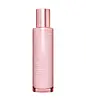
This barrier-repair emulsion is formulated around Niacinamide to strengthen the skin barrier and refine skin texture.
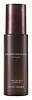
This anti-aging emulsion is formulated around Niacinamide and Panax Ginseng Root Extract to soften the look of wrinkles and hydrate skin.


What's inside
What's inside
 Key Ingredients
Benefits
Concerns
Ingredients Side-by-side
Water
Skin ConditioningBetaine
Humectant


Glycerin
Humectant
Caprylic/Capric Triglyceride
Masking
Niacinamide
Smoothing








Dicaprylyl Carbonate
EmollientDimethicone
Emollient
Sucrose Polystearate
EmollientTapioca Starch
Hydroxyethyl Acrylate/Sodium Acryloyldimethyl Taurate Copolymer
Emulsion StabilisingPropylene Glycol
Humectant

Caprylyl Glycol
Emollient
Hydroxyacetophenone
Antioxidant
Parfum
Masking


Polysilicone-11
Cellulose
Absorbent
Chlorphenesin
Antimicrobial
Potassium Cetyl Phosphate
EmulsifyingTocopheryl Acetate
Antioxidant
Xanthan Gum
EmulsifyingButylene Glycol
Humectant
Disodium EDTA
ChelatingPolysorbate 60
Emulsifying
Sorbitan Isostearate
Emulsifying
Eryngium Maritimum Extract
TonicMarrubium Vulgare Extract
Skin ConditioningDipsacus Sylvestris Extract
Skin ConditioningPhenethyl Alcohol
MaskingDecyl Glucoside
Cleansing
Furcellaria Lumbricalis Extract
Skin ConditioningSodium Citrate
BufferingArbutus Unedo Fruit Extract
Antioxidant
Citric Acid
Buffering
Tocopherol
Antioxidant
Lapsana Communis Flower/Leaf/Stem Extract
Skin ConditioningMaris Sal
Skin ConditioningCI 17200
Cosmetic ColorantWater, Betaine, Glycerin, Caprylic/Capric Triglyceride, Niacinamide, Dicaprylyl Carbonate, Dimethicone, Sucrose Polystearate, Tapioca Starch, Hydroxyethyl Acrylate/Sodium Acryloyldimethyl Taurate Copolymer, Propylene Glycol, Caprylyl Glycol, Hydroxyacetophenone, Parfum, Polysilicone-11, Cellulose, Chlorphenesin, Potassium Cetyl Phosphate, Tocopheryl Acetate, Xanthan Gum, Butylene Glycol, Disodium EDTA, Polysorbate 60, Sorbitan Isostearate, Eryngium Maritimum Extract, Marrubium Vulgare Extract, Dipsacus Sylvestris Extract, Phenethyl Alcohol, Decyl Glucoside, Furcellaria Lumbricalis Extract, Sodium Citrate, Arbutus Unedo Fruit Extract, Citric Acid, Tocopherol, Lapsana Communis Flower/Leaf/Stem Extract, Maris Sal, CI 17200
Water
Skin ConditioningCaprylic/Capric Triglyceride
Masking
C12-20 Acid PEG-8 Ester
Emulsifying
Glycerin
Humectant
Niacinamide
Smoothing
Pentylene Glycol
Skin Conditioning
Panax Ginseng Root Extract
Emollient
Royal Jelly Extract
Skin Conditioning
Silk Amino Acids
HumectantPEG-8
HumectantHydroxyethyl Acrylate/Sodium Acryloyldimethyl Taurate Copolymer
Emulsion StabilisingPolysorbate 60
Emulsifying
Silica
Abrasive
Cyclopentasiloxane
Emollient
Caprylyl Glycol
Emollient
Hydrogenated Lecithin
Emulsifying
Tromethamine
BufferingDimethicone/Vinyl Dimethicone Crosspolymer
Skin Conditioning
Acrylates/C10-30 Alkyl Acrylate Crosspolymer
Emulsion StabilisingTocopheryl Acetate
Antioxidant
Adenosine
Skin Conditioning
Biosaccharide Gum-1
Humectant
Cyclohexasiloxane
Emollient
Glyceryl Acrylate/Acrylic Acid Copolymer
Humectant1,2-Hexanediol
Skin Conditioning
Butylene Glycol
Humectant
Ethyl Hexanediol
SolventEthylhexylglycerin
Skin ConditioningXanthan Gum
EmulsifyingCarbomer
Emulsion StabilisingDisodium EDTA
ChelatingGold
Cosmetic ColorantCI 77891
Cosmetic ColorantPhenoxyethanol
Preservative
Parfum
Masking
Mica
Cosmetic ColorantCI 15985
Cosmetic ColorantCI 19140
Cosmetic ColorantHexyl Cinnamal
Perfuming
Linalool
Perfuming
Benzyl Benzoate
Antimicrobial
Alpha-Isomethyl Ionone
Perfuming
Limonene
Perfuming
Citronellol
Perfuming
Coumarin
Perfuming
Water, Caprylic/Capric Triglyceride, C12-20 Acid PEG-8 Ester, Glycerin, Niacinamide, Pentylene Glycol, Panax Ginseng Root Extract, Royal Jelly Extract, Silk Amino Acids, PEG-8, Hydroxyethyl Acrylate/Sodium Acryloyldimethyl Taurate Copolymer, Polysorbate 60, Silica, Cyclopentasiloxane, Caprylyl Glycol, Hydrogenated Lecithin, Tromethamine, Dimethicone/Vinyl Dimethicone Crosspolymer, Acrylates/C10-30 Alkyl Acrylate Crosspolymer, Tocopheryl Acetate, Adenosine, Biosaccharide Gum-1, Cyclohexasiloxane, Glyceryl Acrylate/Acrylic Acid Copolymer, 1,2-Hexanediol, Butylene Glycol, Ethyl Hexanediol, Ethylhexylglycerin, Xanthan Gum, Carbomer, Disodium EDTA, Gold, CI 77891, Phenoxyethanol, Parfum, Mica, CI 15985, CI 19140, Hexyl Cinnamal, Linalool, Benzyl Benzoate, Alpha-Isomethyl Ionone, Limonene, Citronellol, Coumarin
Ingredients Explained
These ingredients are found in both products.
Ingredients higher up in an ingredient list are typically present in a larger amount.
Butylene Glycol (or BG) is used within cosmetic products for a few different reasons:
Overall, Butylene Glycol is a safe and well-rounded ingredient that works well with other ingredients.
Though this ingredient works well with most skin types, some people with sensitive skin may experience a reaction such as allergic rashes, closed comedones, or itchiness.
Learn more about Butylene GlycolCaprylic/Capric Triglyceride (aka MCT Oil) is a lightweight emollient, solvent, and texture enhancer. It is considered a skin-softener by helping to prevent moisture loss.
Though it behaves like an oil, it is not technically one due to its chemical composition. One perk of this ingredient is that it is very stable, resistant to oxidation, and unlikely to go rancid.
In practice, that translates to a long shelf life and a consistently elegant skin feel.
While there is an assumption Caprylic Triglyceride can clog pores due to it being derived from coconut oil, there is no research supporting this. Just patch test if you have concerns.
Fractionated coconut oil and MCT Oil are both listed as Caprylic/Capric Triglyceride according to INCI. This is because INCI names are based on the ingredient’s final chemical composition and not its marketing name or source.
This ingredient is treated as the gold standard fungal acne safe oil. Even though it is coconut derived, the problematic lauric acid is stripped out.
This leaves just caprylic (C8) and capric (C10) acid. These chain lengths actually trend antifungal; a 2020 study found caprylic acid was enough to disrupt Malassezia furfur cell membrane, with a caprylic acid derivative damaging membrane structures at concentrations as low as 0.2%.
Learn more about Caprylic/Capric TriglycerideCaprylyl Glycol is a humectant, skin conditioner, emollient, and preservative booster derived from either caprylic acid or synthetically created.
Typical use levels vary from 0.3-1% as a preservative booster and go up to 2% to condition skin.
Because it is not a free-fatty acid, this ingredient is fungal acne safe (there's nothing for Malassezia to feed on).
Learn more about Caprylyl GlycolDisodium EDTA is a chelating agent. It grabs onto and deactivates metal ions that sneak into your products from water, packaging, or air.
This ingredient mainly works behind the scenes and helps with:
On top of that, this ingredient can counteract the effects of hard water by binding to the minerals in it.
One thing worth knowing is that Disodium EDTA has been shown to be a mild penetration enhancer. It can help other ingredients absorb into skin more effectively which can be a double-edged sword (great for actives, but can also make the active too strong if you have sensitive skin).
Clinical patch testing showed no significant skin irritation at typical use concentrations and minimal dermal absorption.
You'll most likely see this ingredient near the end of an ingredient list. It's typically found in concentrations less than 1%.
Learn more about Disodium EDTAGlycerin (or glycerol) is a compound naturally found in your skin. It's a powerhouse humectant that pulls water into the stratum corneum.
Topically, glycerin does several things at once:
Your skin makes glycerin on its own (mostly from sebaceous oil breakdown) and shuttles it to your outermost layer of skin, or your epidermis, via aquaporin-3.
Aquaporin-3 is a transporter that is essential for normal skin hydration, elasticity, and repair. Interestingly, mice lacking in AQP3 have dry and less elastic skin that can be fully corrected with glycerin.
This ingredient is non-irritating, plays well with almost every ingredient, and works across all skin types. Typical use is anywhere between 3-10% but can go up to 79% in some leave-on products.
Just know very high concentrations (>40%) can feel tacky in low humidity.
Glycerin is the name for this ingredient in American English. British English uses Glycerol/Glycerine.
Learn more about GlycerinThis is a synthetic polymer. It helps improve the texture of products by adding thickness and gel-like feel.
It is also an emulsifer, meaning it prevents ingredients such as oil and water from separating. It also helps evenly disperse other ingredients.
Niacinamide is a multitasking form of vitamin B3 that strengthens the skin barrier, reduces pores and dark spots, regulates oil, and improves signs of aging.
And the best part? It's gentle and well-tolerated by most skin types, including sensitive and reactive skin.
You might have heard of "niacin flush", or the reddening of skin that causes itchiness. Niacinamide has not been found to cause this.
In very rare cases, some individuals may not be able to tolerate niacinamide at all or experience an allergic reaction to it.
If you are experiencing flaking, irritation, and dryness with this ingredient, be sure to double check all your products as this ingredient can be found in all categories of skincare.
When incorporating niacinamide into your routine, look out for concentration amounts. Typically, 5% niacinamide provides benefits such as fading dark spots. However, if you have sensitive skin, it is better to begin with a smaller concentration.
When you apply niacinamide to your skin, your body converts it into nicotinamide adenine dinucleotide (NAD). NAD is an essential coenzyme that is already found in your cells as "fuel" and powers countless biological processes.
In your skin, NAD helps repair cell damage, produce new healthy cells, support collagen production, strengthen the skin barrier, and fight environmental stressors (like UV and pollution).
Our natural NAD levels start to decline with age, leading to slower skin repair, visible aging, and a weaker skin barrier. By providing your skin niacinamide, you're recharging your skin's NAD levels. This leads to stronger, healthier, and younger looking skin.
Another name for vitamin B3 is nicotinamide. This vitamin is water-soluble and our bodies don't store it. We obtain Vitamin B3 from either food or skincare. Meat, fish, wheat, yeast, and leafy greens contain vitamin B3.
The type of niacinamide used in skincare is synthetically created.
Learn more about NiacinamideParfum is a catch-all term for an ingredient or more that is used to give a scent to products.
Also called "fragrance", this ingredient can be a blend of hundreds of chemicals or plant oils. This means every product with "fragrance" or "parfum" in the ingredients list is a different mixture.
For instance, Habanolide is a proprietary trade name for a specific aroma chemical. When used as a fragrance ingredient in cosmetics, most aroma chemicals fall under the broad labeling category of “FRAGRANCE” or “PARFUM” according to EU and US regulations.
The term 'parfum' or 'fragrance' is not regulated in many countries. In many cases, it is up to the brand to define this term.
For instance, many brands choose to label themselves as "fragrance-free" because they are not using synthetic fragrances. However, their products may still contain ingredients such as essential oils that are considered a fragrance by INCI standards.
One example is Calendula flower extract. Calendula is an essential oil that still imparts a scent or 'fragrance'.
Depending on the blend, the ingredients in the mixture can cause allergies and sensitivities on the skin. Some ingredients that are known EU allergens include linalool and citronellol.
Parfum can also be used to mask or cover an unpleasant scent.
The bottom line is: not all fragrances/parfum/ingredients are created equally. If you are worried about fragrances, we recommend taking a closer look at an ingredient. And of course, we always recommend speaking with a professional.
Learn more about ParfumPolysorbate 60 is used to help stabilize products. It is a surfactant and emulsifier. These properties help keep ingredients together in a product. Surfactants help reduce surface tension between ingredients with different states, such as liquids and solids. Emulsifiers help prevent oils and waters from separating.
Polysorbate 60 is sorbitol-based and created from the ethoxylation of sorbitan. Ethoxylation is a chemical reaction used to add ethylene oxide. Sorbitan is a the dehydrated version of sorbitol, a sugar found in fruits.
In this case, the 60 comes from reacting 60 units of ethylene oxide with sorbitan.
Polysorbates are commonly used in medicine and foods.
Learn more about Polysorbate 60Tocopheryl Acetate is a stable, shelf-friendly form of vitamin E.
Formulators love it because plain vitamin E oxidizes quickly once it hits air. This acetate version stays stable and resists going off, helping to extend a product's shelf life.
It's actually inactive on its own and works like a slow-release "storage" form; the enzymes in your skin called esterases gradually convert it into active vitamin E over time.
One in vivo study showed 5% of the acetate in the living layer of the epidermis converted to vitamin E after 5 days of application. This study also found the skin gained protection against UV damage even though the conversion was slow and small.
Once converted, vitamin E acts as a skin's main fat-soluble antioxidant that fights free radicals to protect skin from damage.
Topical vitamin E generally boosts the skin's photoprotection, and it reduced UV-damage in animal models.
This ingredient has some brightening potential but it's more of a prevention ingredient than spot-fader. Cell studies show it can slow down melanin production but it's worth noting that it's not the most powerful brightener out there.
Overall, it has a pretty solid safety profile and has been found to be non-irritating and non-comedogenic. Allergic reactions may happen but stay rare due to how widely the ingredient gets used.
The concentration will vary depending on the formula; industry data shows 0.1% in baby lotions, 3% in lipsticks, and 5% in foot powders. You can also find this ingredient at 100% in a pure vitamin E oil.
Most leave-on skincare keeps it at the lower end, often between 0.5-1%.
Learn more about Tocopheryl AcetateWater. It's the most common cosmetic ingredient of all. You'll usually see it at the top of ingredient lists, meaning that it makes up the largest part of the product.
So why is it so popular? Water most often acts as a solvent - this means that it helps dissolve other ingredients into the formulation.
You'll also recognize water as that liquid we all need to stay alive. If you see this, drink a glass of water. Remember to stay hydrated!
Learn more about WaterXanthan gum is used as a stabilizer and thickener within cosmetic products. It helps give products a sticky, thick feeling - preventing them from being too runny.
On the technical side of things, xanthan gum is a polysaccharide - a combination consisting of multiple sugar molecules bonded together.
Xanthan gum is a pretty common and great ingredient. It is a natural, non-toxic, non-irritating ingredient that is also commonly used in food products.
Learn more about Xanthan Gum

