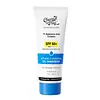
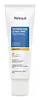
Chemist at Play 1% Hyaluronic Acid Complex Gel Sunscreen SPF 50+ Versus Re’equil Oxybenzone & OMC Free Sunscreen SPF 50
This chemical sunscreen covers the full UV range and blocks ~98% of UVB at SPF 50.
This chemical sunscreen covers the full UV range and blocks ~98% of UVB at SPF 50.

What's inside
What's inside
 Key Ingredients
Benefits
Concerns
Ingredients Side-by-side
Oryza Sativa Bran Water
Masking
Caprylyl Methicone
Skin Conditioning
Dibutyl Adipate
EmollientDiethylamino Hydroxybenzoyl Hexyl Benzoate
UV Filter
Ethylhexyl Triazone
UV Absorber
Sargassum Fluitans / Natans Extract
Bis-Ethylhexyloxyphenol Methoxyphenyl Triazine
Skin Conditioning
Microcrystalline Cellulose
AbsorbentPEG-12 Dimethicone/PPG-20 Crosspolymer
Methylene Bis-Benzotriazolyl Tetramethylbutylphenol
UV Filter
Hydroxyethyl Acrylate/Sodium Acryloyldimethyl Taurate Copolymer
Emulsion StabilisingAvena Sativa Kernel Extract
Abrasive





Hydrolyzed Sodium Hyaluronate
Skin Conditioning
Sodium Acetylated Hyaluronate
Humectant

Sodium Hyaluronate Crosspolymer
Humectant
Sodium Hyaluronate
Humectant
Ceramide As
Skin Conditioning
Ceramide EOP
Skin Conditioning
Ceramide Ns
Skin Conditioning
Ceramide Ng
Skin Conditioning
Ceramide NP
Skin Conditioning
Pentylene Glycol
Skin Conditioning
Acrylates/C10-30 Alkyl Acrylate Crosspolymer
Emulsion StabilisingVp/Acrylates/Lauryl Methacrylate Copolymer
Tocopheryl Acetate
Antioxidant

Propylene Glycol
Humectant

Propanediol
Solvent
1,2-Hexanediol
Skin Conditioning
Hexyldecanol
Emollient
Hydroxypropyl Cyclodextrin
MaskingEthylhexylglycerin
Skin ConditioningPhenoxyethanol
Preservative
Sodium Polyacrylate
Absorbent
Decyl Glucoside
Cleansing
Xanthan Gum
EmulsifyingSodium Gluconate
Skin ConditioningOryza Sativa Bran Water, Caprylyl Methicone, Dibutyl Adipate, Diethylamino Hydroxybenzoyl Hexyl Benzoate, Ethylhexyl Triazone, Sargassum Fluitans / Natans Extract, Bis-Ethylhexyloxyphenol Methoxyphenyl Triazine, Microcrystalline Cellulose, PEG-12 Dimethicone/PPG-20 Crosspolymer, Methylene Bis-Benzotriazolyl Tetramethylbutylphenol, Hydroxyethyl Acrylate/Sodium Acryloyldimethyl Taurate Copolymer, Avena Sativa Kernel Extract, Hydrolyzed Sodium Hyaluronate, Sodium Acetylated Hyaluronate, Sodium Hyaluronate Crosspolymer, Sodium Hyaluronate, Ceramide As, Ceramide EOP, Ceramide Ns, Ceramide Ng, Ceramide NP, Pentylene Glycol, Acrylates/C10-30 Alkyl Acrylate Crosspolymer, Vp/Acrylates/Lauryl Methacrylate Copolymer, Tocopheryl Acetate, Propylene Glycol, Propanediol, 1,2-Hexanediol, Hexyldecanol, Hydroxypropyl Cyclodextrin, Ethylhexylglycerin, Phenoxyethanol, Sodium Polyacrylate, Decyl Glucoside, Xanthan Gum, Sodium Gluconate
Water
Skin ConditioningOctocrylene
UV Absorber

Tris-Biphenyl Triazine
UV Absorber
Ethylhexyl Salicylate
UV Absorber
Isoamyl Laurate
Emollient
Neopentyl Glycol Diheptanoate
EmollientBis-Ethylhexyloxyphenol Methoxyphenyl Triazine
Skin Conditioning
Glycerin
Humectant
Propanediol
Solvent
Cetearyl Alcohol
Emollient

Caprylyl Methicone
Skin Conditioning
Hydrogenated Polydecene
EmollientAloe Barbadensis Leaf Extract
Emollient
Tocopheryl Acetate
Antioxidant
Sodium Acrylates Copolymer
Xanthan Gum
EmulsifyingSilica
Abrasive

Microcrystalline Wax
Emulsion StabilisingPPG-1 Trideceth-6
Skin ConditioningDimethicone
Emollient
Potassium Cetyl Phosphate
EmulsifyingPhenoxyethanol
Preservative
Ethylhexylglycerin
Skin ConditioningSodium Hydroxide
BufferingParfum
Masking
Water, Octocrylene, Tris-Biphenyl Triazine, Ethylhexyl Salicylate, Isoamyl Laurate, Neopentyl Glycol Diheptanoate, Bis-Ethylhexyloxyphenol Methoxyphenyl Triazine, Glycerin, Propanediol, Cetearyl Alcohol, Caprylyl Methicone, Hydrogenated Polydecene, Aloe Barbadensis Leaf Extract, Tocopheryl Acetate, Sodium Acrylates Copolymer, Xanthan Gum, Silica, Microcrystalline Wax, PPG-1 Trideceth-6, Dimethicone, Potassium Cetyl Phosphate, Phenoxyethanol, Ethylhexylglycerin, Sodium Hydroxide, Parfum
Reviews
Ingredients Explained
These ingredients are found in both products.
Ingredients higher up in an ingredient list are typically present in a larger amount.
This ingredient is better known as bemotrizinol or Tinosorb S and is one of the best broad-spectrum UV filters in modern sunscreen.
It works by absorbing UV light across a whole range (280-400 nm) with peaks around 310 nm (UVB) and 340-345 nm (UVA). This means it covers UVB plus the deeper UVA wavelengths that drive photoaging and pigmentation.
Another pro?
It's exceptionally photostable, barely degrades in sunlight, and acts as a "bodyguard" for less stable filters.
That's why you'll see it paired with avobenzone or octinoxate; this team up ensures they keep working through sun exposure.
Safety reviews have been reassuring across the board. This ingredient shows low absorption through the skin, rarely irritates, and lab studies found it doesn't act like a hormone in the body (a concern that's been raised about some older sunscreen filters).
On maximum concentrations:
In 2026, the US F.D.A finally added it as an OTC sunscreen ingredient at concentrations up to 6% for adults / children 6 months and older
Learn more about Bis-Ethylhexyloxyphenol Methoxyphenyl TriazineCaprylyl Methicone is a synthetic and lightweight silicone fluid. It gives products a silky, dry-touch finish without the heaviness of pure oils.
Though the EU CosIng Database lists this ingredient as a skin conditioner, it is also used for sensory reasons. It spreads easily, cuts greasiness, and reduces tackiness.
This ingredient is volatile which means it will mostly evaporate (but it evaporates slower than older cyclomethicones, like Cyclotetrasiloxane).
Typical concentration ranges from 1-30% depending on if it's being used to tweak the feel of a product or acting as the main emollient.
Learn more about Caprylyl MethiconeEthylhexylglycerin is created from glycerin. It is a multitasker ingredient that:
The CIR Expert Panel found minimal skin absorption or sensitization of any kind in a safety assessment. Though this ingredient is considered well-tolerated, a small number of cases of allergic dermatitis have been published since 2002. Just be sure to patch test if you are unsure.
Industry-reported use ranges from 8% in rinse-off products and 2% in leave-on formulations.
Learn more about EthylhexylglycerinPhenoxyethanol is one of the most widely used preservatives in skincare (and for good reason!).
It has a large spectrum of antimicrobial activity and especially effective bacteria, yeast, and mold while only having a weak effect on your skin's natural microbiome.
On a cellular level, it disrupts the cell membranes of microbes by poking holes that make the cell leak. This shuts down the chemical reactions the microbe needs to make energy so it can no longer survive.
Another perk of this ingredient is that it stays functional across a wide pH range (3-10).
You'll often see it paired with boosters like Ethylhexylglycerin; one study showed that a 1:9 ratio of Ethylhexylglycerin to Phenoxyethanol damages bacterial membranes as effectively as doubling the Phenoxyethanol concentration on its own.
Typical use concentrations range from 0.3-1% depending on the formula, and this ingredient is capped at 1% int the EU.
Safety-wise, the fear mongering does not hold up to the evidence. The EU's Scientific Committee on Consumer Safety and FDA consider it safe as a preservative at up to 1%, including for children of all ages.
Adverse systemic effects only showed up in animal studies at exposures roughly 200x higher than what people get from cosmetics. And despite its very widespread use, this ingredient is a rare sensitizer and allergic reactions are uncommon.
Learn more about PhenoxyethanolPropanediol is an all-star ingredient. It softens, hydrates, and smooths the skin.
It’s often used to:
Propanediol is not likely to cause sensitivity and considered safe to use. It is derived from corn or petroleum with a clear color and no scent.
Learn more about PropanediolTocopheryl Acetate is a stable, shelf-friendly form of vitamin E.
Formulators love it because plain vitamin E oxidizes quickly once it hits air. This acetate version stays stable and resists going off, helping to extend a product's shelf life.
It's actually inactive on its own and works like a slow-release "storage" form; the enzymes in your skin called esterases gradually convert it into active vitamin E over time.
One in vivo study showed 5% of the acetate in the living layer of the epidermis converted to vitamin E after 5 days of application. This study also found the skin gained protection against UV damage even though the conversion was slow and small.
Once converted, vitamin E acts as a skin's main fat-soluble antioxidant that fights free radicals to protect skin from damage.
Topical vitamin E generally boosts the skin's photoprotection, and it reduced UV-damage in animal models.
This ingredient has some brightening potential but it's more of a prevention ingredient than spot-fader. Cell studies show it can slow down melanin production but it's worth noting that it's not the most powerful brightener out there.
Overall, it has a pretty solid safety profile and has been found to be non-irritating and non-comedogenic. Allergic reactions may happen but stay rare due to how widely the ingredient gets used.
The concentration will vary depending on the formula; industry data shows 0.1% in baby lotions, 3% in lipsticks, and 5% in foot powders. You can also find this ingredient at 100% in a pure vitamin E oil.
Most leave-on skincare keeps it at the lower end, often between 0.5-1%.
Learn more about Tocopheryl AcetateXanthan gum is used as a stabilizer and thickener within cosmetic products. It helps give products a sticky, thick feeling - preventing them from being too runny.
On the technical side of things, xanthan gum is a polysaccharide - a combination consisting of multiple sugar molecules bonded together.
Xanthan gum is a pretty common and great ingredient. It is a natural, non-toxic, non-irritating ingredient that is also commonly used in food products.
Learn more about Xanthan Gum

