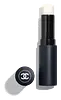
This barrier-repair lip moisturizer is formulated around Butyrospermum Parkii Butter and Palmitoyl Tripeptide-1 to strengthen the lip barrier and hydrate lips.
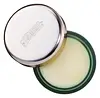
This barrier-repair lip moisturizer is formulated around Petrolatum and Aloe Barbadensis Leaf Extract to strengthen the lip barrier and hydrate lips.


What's inside
What's inside
 Key Ingredients
Benefits
Concerns
Ingredients Side-by-side
Dicaprylyl Carbonate
EmollientDiisostearyl Malate
EmollientIsononyl Isononanoate
EmollientSynthetic Wax
Abrasive

Polymethylsilsesquioxane

Jojoba Esters
Emollient

Ethylene/Propylene Copolymer
Abrasive
Ethylhexyl Palmitate
Emollient

Aluminum Starch Octenylsuccinate
Absorbent
Hydrogenated Castor Oil
Emollient

Butyrospermum Parkii Butter
Skin Conditioning
Stearalkonium Hectorite
Gel FormingTribehenin
Emollient
Tocopheryl Acetate
Antioxidant


Propylene Carbonate
SolventSorbitan Isostearate
Emulsifying
Dimethicone
Emollient
Parfum
Masking


Tocopherol
Antioxidant


Palmitoyl Tripeptide-1
Skin Conditioning

BHT
Antioxidant
Citric Acid
Buffering
Dicaprylyl Carbonate, Diisostearyl Malate, Isononyl Isononanoate, Synthetic Wax, Polymethylsilsesquioxane, Jojoba Esters, Ethylene/Propylene Copolymer, Ethylhexyl Palmitate, Aluminum Starch Octenylsuccinate, Hydrogenated Castor Oil, Butyrospermum Parkii Butter, Stearalkonium Hectorite, Tribehenin, Tocopheryl Acetate, Propylene Carbonate, Sorbitan Isostearate, Dimethicone, Parfum, Tocopherol, Palmitoyl Tripeptide-1, BHT, Citric Acid
Petrolatum
Emollient
Octyldodecanol
Emollient
Cera Microcristallina
Emulsion StabilisingOctyldodecyl Stearoyl Stearate
Emollient
Bis-Diglyceryl Polyacyladipate-2
Emollient
Polyglyceryl-10 Pentaoleate
Emulsifying
Phenyl Trimethicone
Skin Conditioning
Aloe Barbadensis Leaf Extract
Emollient
Algae Extract
EmollientMalachite
Skin ConditioningTourmaline
Sesamum Indicum Seed Oil
Emollient
Eucalyptus Globulus Leaf Oil
Perfuming

Sesamum Indicum Seed Powder
Skin ConditioningMedicago Sativa Seed Powder
Skin ConditioningHelianthus Annuus Seedcake
Abrasive
Prunus Amygdalus Dulcis Seed Meal
Abrasive
Sodium Gluconate
Skin ConditioningCopper Gluconate
Skin Conditioning
Calcium Gluconate
HumectantMagnesium Gluconate
Skin ConditioningZinc Gluconate
Skin Conditioning


Tocopheryl Succinate
Antioxidant
Niacin
SmoothingRicinus Communis Seed Oil
Masking
Glycine Soja Oil
Emollient
Phytosphingosine
Skin Conditioning
Trehalose
Humectant
Polybutene
Tocopheryl Acetate
Antioxidant
Cholesterol
Emollient
Glyceryl Distearate
Emollient
Water
Skin ConditioningGlycerin
Humectant
Menthyl PCA
HumectantOleic Acid
Emollient
Palmitic Acid
Emollient
Sodium Saccharin
MaskingSorbitan Sesquioleate
Emulsifying
CI 77220
Cosmetic ColorantSodium Bicarbonate
Abrasive
Parfum
Masking
Benzyl Benzoate
Antimicrobial
Limonene
Perfuming
Linalool
Perfuming
BHT
Antioxidant
CI 42090
Cosmetic ColorantCI 19140
Cosmetic ColorantPetrolatum, Octyldodecanol, Cera Microcristallina, Octyldodecyl Stearoyl Stearate, Bis-Diglyceryl Polyacyladipate-2, Polyglyceryl-10 Pentaoleate, Phenyl Trimethicone, Aloe Barbadensis Leaf Extract, Algae Extract, Malachite, Tourmaline, Sesamum Indicum Seed Oil, Eucalyptus Globulus Leaf Oil, Sesamum Indicum Seed Powder, Medicago Sativa Seed Powder, Helianthus Annuus Seedcake, Prunus Amygdalus Dulcis Seed Meal, Sodium Gluconate, Copper Gluconate, Calcium Gluconate, Magnesium Gluconate, Zinc Gluconate, Tocopheryl Succinate, Niacin, Ricinus Communis Seed Oil, Glycine Soja Oil, Phytosphingosine, Trehalose, Polybutene, Tocopheryl Acetate, Cholesterol, Glyceryl Distearate, Water, Glycerin, Menthyl PCA, Oleic Acid, Palmitic Acid, Sodium Saccharin, Sorbitan Sesquioleate, CI 77220, Sodium Bicarbonate, Parfum, Benzyl Benzoate, Limonene, Linalool, BHT, CI 42090, CI 19140
Reviews
Ingredients Explained
These ingredients are found in both products.
Ingredients higher up in an ingredient list are typically present in a larger amount.
BHT is a synthetic antioxidant and preservative.
As an antioxidant, it helps your body fight off free-radicals. Free-radicals are molecules that may damage your skin cells.
As a preservative, it is used to stabilize products and prevent them from degrading. Specifically, BHT prevents degradation from oxidation.
The concerns related to BHT come from oral studies; this ingredient is currently allowed for use by both the FDA and EU.
However, it was recently restricted for use in the UK as of April 2024.
Learn more about BHTParfum is a catch-all term for an ingredient or more that is used to give a scent to products.
Also called "fragrance", this ingredient can be a blend of hundreds of chemicals or plant oils. This means every product with "fragrance" or "parfum" in the ingredients list is a different mixture.
For instance, Habanolide is a proprietary trade name for a specific aroma chemical. When used as a fragrance ingredient in cosmetics, most aroma chemicals fall under the broad labeling category of “FRAGRANCE” or “PARFUM” according to EU and US regulations.
The term 'parfum' or 'fragrance' is not regulated in many countries. In many cases, it is up to the brand to define this term.
For instance, many brands choose to label themselves as "fragrance-free" because they are not using synthetic fragrances. However, their products may still contain ingredients such as essential oils that are considered a fragrance by INCI standards.
One example is Calendula flower extract. Calendula is an essential oil that still imparts a scent or 'fragrance'.
Depending on the blend, the ingredients in the mixture can cause allergies and sensitivities on the skin. Some ingredients that are known EU allergens include linalool and citronellol.
Parfum can also be used to mask or cover an unpleasant scent.
The bottom line is: not all fragrances/parfum/ingredients are created equally. If you are worried about fragrances, we recommend taking a closer look at an ingredient. And of course, we always recommend speaking with a professional.
Learn more about ParfumTocopheryl Acetate is a stable, shelf-friendly form of vitamin E.
Formulators love it because plain vitamin E oxidizes quickly once it hits air. This acetate version stays stable and resists going off, helping to extend a product's shelf life.
It's actually inactive on its own and works like a slow-release "storage" form; the enzymes in your skin called esterases gradually convert it into active vitamin E over time.
One in vivo study showed 5% of the acetate in the living layer of the epidermis converted to vitamin E after 5 days of application. This study also found the skin gained protection against UV damage even though the conversion was slow and small.
Once converted, vitamin E acts as a skin's main fat-soluble antioxidant that fights free radicals to protect skin from damage.
Topical vitamin E generally boosts the skin's photoprotection, and it reduced UV-damage in animal models.
This ingredient has some brightening potential but it's more of a prevention ingredient than spot-fader. Cell studies show it can slow down melanin production but it's worth noting that it's not the most powerful brightener out there.
Overall, it has a pretty solid safety profile and has been found to be non-irritating and non-comedogenic. Allergic reactions may happen but stay rare due to how widely the ingredient gets used.
The concentration will vary depending on the formula; industry data shows 0.1% in baby lotions, 3% in lipsticks, and 5% in foot powders. You can also find this ingredient at 100% in a pure vitamin E oil.
Most leave-on skincare keeps it at the lower end, often between 0.5-1%.
Learn more about Tocopheryl Acetate

