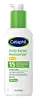
This brightening day moisturizer is formulated around Tocopheryl Acetate and Ascorbyl Glucoside to brighten dull-looking skin.


What's inside
What's inside
 Key Ingredients
Benefits
Concerns
Ingredients Side-by-side
Butyl Methoxydibenzoylmethane 3%
UV Absorber
Octocrylene 10%
UV Absorber


Water
Skin ConditioningDiisopropyl Adipate
EmollientCyclomethicone
Emollient
Glycerin
Humectant


Glyceryl Stearate
Emollient

PEG-100 Stearate
Surfactant
Polymethyl Methacrylate

Phenoxyethanol
Preservative
Benzyl Alcohol
Perfuming



Acrylates/C10-30 Alkyl Acrylate Crosspolymer
Emulsion StabilisingTocopheryl Acetate
Antioxidant


Carbomer
Emulsion StabilisingDisodium EDTA
ChelatingTriethanolamine
BufferingButyl Methoxydibenzoylmethane 3%, Octocrylene 10%, Water, Diisopropyl Adipate, Cyclomethicone, Glycerin, Glyceryl Stearate, PEG-100 Stearate, Polymethyl Methacrylate, Phenoxyethanol, Benzyl Alcohol, Acrylates/C10-30 Alkyl Acrylate Crosspolymer, Tocopheryl Acetate, Carbomer, Disodium EDTA, Triethanolamine
Water
Skin ConditioningDimethicone
Emollient
Glycerin
Humectant
Alcohol Denat.
Antimicrobial
Vp/Eicosene Copolymer
Hydrogenated Polyisobutene
EmollientAluminum Starch Octenylsuccinate
Absorbent
Sucrose Stearate
EmollientSilica
Abrasive

Poly C10-30 Alkyl Acrylate
Emulsion StabilisingRibes Nigrum Seed Oil
Emollient
Tocopheryl Acetate
Antioxidant
Ascorbyl Glucoside
Antioxidant

Sodium Polyacrylate
Absorbent
Sodium Hydroxide
BufferingHydroxycitronellal
Perfuming
Hydroxyisohexyl 3-Cyclohexene Carboxaldehyde
Masking
Phenoxyethanol
Preservative
Stearic Acid
Cleansing
Thermus Thermophillus Ferment
Skin ConditioningEugenol
Perfuming
Ethylparaben
Preservative
Triethanolamine
BufferingPalmitic Acid
Emollient
Helianthus Annuus Seed Oil
Emollient
Dimethiconol
Emollient
Panthenol
Skin Conditioning

Xanthan Gum
EmulsifyingBenzyl Salicylate
Perfuming
Benzyl Alcohol
Perfuming
Linalool
Perfuming
Oxothiazolidinecarboxylic Acid
Skin ConditioningCaprylyl Glycol
Emollient
Alpha-Isomethyl Ionone
Perfuming
Acrylates/C10-30 Alkyl Acrylate Crosspolymer
Emulsion StabilisingGeraniol
Perfuming
Moringa Oleifera Seed Extract
Skin Conditioning
Disodium EDTA
ChelatingCastanea Sativa Seed Extract
Skin ConditioningRosa Canina Fruit Oil
Emollient
Methylparaben
Preservative
Citronellol
Perfuming
Hexyldecanol
Emollient
Hexyldecyl Laurate
EmollientHexyl Cinnamal
Perfuming
Parfum
Masking
Water, Dimethicone, Glycerin, Alcohol Denat., Vp/Eicosene Copolymer, Hydrogenated Polyisobutene, Aluminum Starch Octenylsuccinate, Sucrose Stearate, Silica, Poly C10-30 Alkyl Acrylate, Ribes Nigrum Seed Oil, Tocopheryl Acetate, Ascorbyl Glucoside, Sodium Polyacrylate, Sodium Hydroxide, Hydroxycitronellal, Hydroxyisohexyl 3-Cyclohexene Carboxaldehyde, Phenoxyethanol, Stearic Acid, Thermus Thermophillus Ferment, Eugenol, Ethylparaben, Triethanolamine, Palmitic Acid, Helianthus Annuus Seed Oil, Dimethiconol, Panthenol, Xanthan Gum, Benzyl Salicylate, Benzyl Alcohol, Linalool, Oxothiazolidinecarboxylic Acid, Caprylyl Glycol, Alpha-Isomethyl Ionone, Acrylates/C10-30 Alkyl Acrylate Crosspolymer, Geraniol, Moringa Oleifera Seed Extract, Disodium EDTA, Castanea Sativa Seed Extract, Rosa Canina Fruit Oil, Methylparaben, Citronellol, Hexyldecanol, Hexyldecyl Laurate, Hexyl Cinnamal, Parfum
Reviews
Ingredients Explained
These ingredients are found in both products.
Ingredients higher up in an ingredient list are typically present in a larger amount.
Acrylates/C10-30 Alkyl Acrylate Crosspolymer is a synthetic polymer. It is used to thicken, emulsify, and improve the texture of products.
As an emulsifier, it helps stabilize oil-in-water emulsions to give products an elegant feel when applied.
It can also form a thin protective film on skin. One study found that a formula using this polymer helped slow down how quickly other ingredients (like DEET) were absorbed through skin.
A 2024 study of over 1,300 patients confirmed that sensitization to this ingredient is rare. It is also non-mutagenic and has a clean track record.
Learn more about Acrylates/C10-30 Alkyl Acrylate CrosspolymerBenzyl Alcohol is an aromatic alcohol with several roles: it's a preservative, solvent, and mild fragrance component with a floral scent.
This ingredient has been deemed safe for use in cosmetic formulations at concentrations up to 5%, and up to 10% in hair dyes. You'll typically see 0.5-2% in most rinse-off or leave-on products.
As a preservative, it works by disrupting the membrane of microbial proteins. This helps keep bacteria and fungi from growing in your products.
The sensitization picture is actually quite assuring as well:of nearly 71,000 patients patch tested with benzyl alcohol, only 0.21% showed a positive reaction with most of them being weakly positive.
This led researchers to conclude that benzyl alcohol cannot be regarded as a significant contact allergen.
It is worth noting this ingredient is classified as one of the EU's regulated fragrance allergens and restricted to 1% in finished products.
Labels must also declare it in concentrations above 0.001% in leave-on products and 0.01% in rinse-off products.
At concentrations around 5%, localized redness and itching can appear as a direct irritant response and not as a true allergic reaction.
Learn more about Benzyl AlcoholDisodium EDTA is a chelating agent. It grabs onto and deactivates metal ions that sneak into your products from water, packaging, or air.
This ingredient mainly works behind the scenes and helps with:
On top of that, this ingredient can counteract the effects of hard water by binding to the minerals in it.
One thing worth knowing is that Disodium EDTA has been shown to be a mild penetration enhancer. It can help other ingredients absorb into skin more effectively which can be a double-edged sword (great for actives, but can also make the active too strong if you have sensitive skin).
Clinical patch testing showed no significant skin irritation at typical use concentrations and minimal dermal absorption.
You'll most likely see this ingredient near the end of an ingredient list. It's typically found in concentrations less than 1%.
Learn more about Disodium EDTAGlycerin (or glycerol) is a compound naturally found in your skin. It's a powerhouse humectant that pulls water into the stratum corneum.
Topically, glycerin does several things at once:
Your skin makes glycerin on its own (mostly from sebaceous oil breakdown) and shuttles it to your outermost layer of skin, or your epidermis, via aquaporin-3.
Aquaporin-3 is a transporter that is essential for normal skin hydration, elasticity, and repair. Interestingly, mice lacking in AQP3 have dry and less elastic skin that can be fully corrected with glycerin.
This ingredient is non-irritating, plays well with almost every ingredient, and works across all skin types. Typical use is anywhere between 3-10% but can go up to 79% in some leave-on products.
Just know very high concentrations (>40%) can feel tacky in low humidity.
Glycerin is the name for this ingredient in American English. British English uses Glycerol/Glycerine.
Learn more about GlycerinPhenoxyethanol is one of the most widely used preservatives in skincare (and for good reason!).
It has a large spectrum of antimicrobial activity and especially effective bacteria, yeast, and mold while only having a weak effect on your skin's natural microbiome.
On a cellular level, it disrupts the cell membranes of microbes by poking holes that make the cell leak. This shuts down the chemical reactions the microbe needs to make energy so it can no longer survive.
Another perk of this ingredient is that it stays functional across a wide pH range (3-10).
You'll often see it paired with boosters like Ethylhexylglycerin; one study showed that a 1:9 ratio of Ethylhexylglycerin to Phenoxyethanol damages bacterial membranes as effectively as doubling the Phenoxyethanol concentration on its own.
Typical use concentrations range from 0.3-1% depending on the formula, and this ingredient is capped at 1% int the EU.
Safety-wise, the fear mongering does not hold up to the evidence. The EU's Scientific Committee on Consumer Safety and FDA consider it safe as a preservative at up to 1%, including for children of all ages.
Adverse systemic effects only showed up in animal studies at exposures roughly 200x higher than what people get from cosmetics. And despite its very widespread use, this ingredient is a rare sensitizer and allergic reactions are uncommon.
Learn more about PhenoxyethanolTocopheryl Acetate is a stable, shelf-friendly form of vitamin E.
Formulators love it because plain vitamin E oxidizes quickly once it hits air. This acetate version stays stable and resists going off, helping to extend a product's shelf life.
It's actually inactive on its own and works like a slow-release "storage" form; the enzymes in your skin called esterases gradually convert it into active vitamin E over time.
One in vivo study showed 5% of the acetate in the living layer of the epidermis converted to vitamin E after 5 days of application. This study also found the skin gained protection against UV damage even though the conversion was slow and small.
Once converted, vitamin E acts as a skin's main fat-soluble antioxidant that fights free radicals to protect skin from damage.
Topical vitamin E generally boosts the skin's photoprotection, and it reduced UV-damage in animal models.
This ingredient has some brightening potential but it's more of a prevention ingredient than spot-fader. Cell studies show it can slow down melanin production but it's worth noting that it's not the most powerful brightener out there.
Overall, it has a pretty solid safety profile and has been found to be non-irritating and non-comedogenic. Allergic reactions may happen but stay rare due to how widely the ingredient gets used.
The concentration will vary depending on the formula; industry data shows 0.1% in baby lotions, 3% in lipsticks, and 5% in foot powders. You can also find this ingredient at 100% in a pure vitamin E oil.
Most leave-on skincare keeps it at the lower end, often between 0.5-1%.
Learn more about Tocopheryl AcetateTriethanolamine (TEA) is an emulsifier and pH adjuster. It is created using ethylene oxide and ammonia. This gives Triethanolamine a nitrogen core and a similar scent to ammonia.
As an emulsifier, it prevents ingredients from separating and enhances texture by adding volume to a product.
PH adjusters are common in cosmetic products. The pH of a product can affect the effectiveness of other ingredients. A product with a high pH may also irritate the skin.
If you are looking for the tea leaf ingredient, click here.
Learn more about TriethanolamineWater. It's the most common cosmetic ingredient of all. You'll usually see it at the top of ingredient lists, meaning that it makes up the largest part of the product.
So why is it so popular? Water most often acts as a solvent - this means that it helps dissolve other ingredients into the formulation.
You'll also recognize water as that liquid we all need to stay alive. If you see this, drink a glass of water. Remember to stay hydrated!
Learn more about Water

