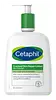
This barrier-repair moisturizer is formulated around Dimethicone and Caprylic/Capric Triglyceride to strengthen the skin barrier and hydrate skin.


What's inside
What's inside
 Key Ingredients
Benefits
Concerns
Ingredients Side-by-side
Dimethicone 2%
Emollient

Caprylic/Capric Triglyceride
Masking


Hydrogenated Castor Oil
Emollient


Lactic Acid
Buffering








Methoxy PEG-22/Dodecyl Glycol Copolymer
Emulsion StabilisingMethylparaben
Preservative


Paraffinum Liquidum
Emollient
Ozokerite
Emulsion StabilisingPEG-2 Hydrogenated Castor Oil
Emulsifying
PEG-7 Hydrogenated Castor Oil
Emulsifying
Propylparaben
Preservative
Sodium Lactate
Buffering
Sorbitan Isostearate
Emulsifying
Urea
Buffering
Water
Skin ConditioningWater
Skin ConditioningUrea
Buffering
Glycerin
Humectant
Paraffinum Liquidum
Emollient
Niacinamide
Smoothing



Petrolatum
Emollient
Glyceryl Stearate
Emollient
PEG-100 Stearate
Surfactant
Cetearyl Alcohol
Emollient

Dimethicone
Emollient
Stearic Acid
Cleansing
Panthenol
Skin Conditioning
Allantoin
Skin Conditioning
Carbomer
Emulsion StabilisingPhenoxyethanol
Preservative
Ethylhexylglycerin
Skin ConditioningXanthan Gum
EmulsifyingButylene Glycol
Humectant
Magnesium Ascorbyl Phosphate
Antioxidant

3-O-Ethyl Ascorbic Acid
Skin Conditioning
Ascorbic Acid Polypeptide
Antioxidant
Ascorbyl Glucoside
Antioxidant
Sodium Ascorbyl Phosphate
Antioxidant
1,2-Hexanediol
Skin Conditioning
Ergothioneine
Antioxidant
Centella Asiatica Extract
Cleansing
Polygonum Cuspidatum Root Extract
Antioxidant
Scutellaria Baicalensis Root Extract
Astringent
Camellia Sinensis Leaf Extract
Antimicrobial
Glycyrrhiza Glabra Root Extract
Bleaching
Chamomilla Recutita Flower Extract
Masking
Rosmarinus Officinalis Leaf Extract
AntimicrobialPotassium Hydroxide
BufferingDisodium EDTA
ChelatingWater, Urea, Glycerin, Paraffinum Liquidum, Niacinamide, Petrolatum, Glyceryl Stearate, PEG-100 Stearate, Cetearyl Alcohol, Dimethicone, Stearic Acid, Panthenol, Allantoin, Carbomer, Phenoxyethanol, Ethylhexylglycerin, Xanthan Gum, Butylene Glycol, Magnesium Ascorbyl Phosphate, 3-O-Ethyl Ascorbic Acid, Ascorbic Acid Polypeptide, Ascorbyl Glucoside, Sodium Ascorbyl Phosphate, 1,2-Hexanediol, Ergothioneine, Centella Asiatica Extract, Polygonum Cuspidatum Root Extract, Scutellaria Baicalensis Root Extract, Camellia Sinensis Leaf Extract, Glycyrrhiza Glabra Root Extract, Chamomilla Recutita Flower Extract, Rosmarinus Officinalis Leaf Extract, Potassium Hydroxide, Disodium EDTA
Ingredients Explained
These ingredients are found in both products.
Ingredients higher up in an ingredient list are typically present in a larger amount.
Dimethicone is a type of synthetic silicone created from natural materials such as quartz. It is also known as polydimethylsiloxane.
What it does:
Dimethicone comes in different viscosities:
Depending on the viscosity, dimethicone has different properties.
Ingredients lists don't always show which type is used, so we recommend reaching out to the brand if you have questions about the viscosity.
This ingredient is unlikely to cause irritation because it does not get absorbed into skin. However, people with silicone allergies should be careful about using this ingredient.
Note: Dimethicone may contribute to pilling. This is because it is not oil or water soluble, so pilling may occur when layered with products. When mixed with heavy oils in a formula, the outcome is also quite greasy.
Learn more about DimethiconeParaffinum Liquidum is a highly-refined cosmetic-grade mineral oil. It is also known as liquid paraffin.
Despite its controversial reputation, the science is pretty clear: it's one of the most well-studied and effective moisturizing ingredients out there.
As an occlusive, it forms a protective layer on the skin that locks in moisture and prevents transepidermal water loss (TEWL). This makes it especially great for compromised skin barriers.
The "it clogs your pores" myth has been around for decades; a study found that industrial-grade mineral oil may be comedogenic but cosmetic-grade mineral oil is not (these two are very, very different).
A 2017 review concluded that cosmetic use of mineral oils and waxes does not present a risk to consumers due to absorption.
Mineral oil got a bad rap from the old rabbit ear studies. When tested on actual human skin, cosmetic-grade mineral oil showed no comedogenic activity. The rating of 0 is a correction of outdated science.
Mineral oil is an inert substance with no fatty acids so there's nothing to feed Malassezia. This ingredient is fungal acne safe.
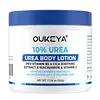
Learn more about Paraffinum LiquidumUrea is also called carbamide and is the diamide of carbonic acid. In cosmetics, urea is used to hydrate the skin. It also provides exfoliation in higher concentrations.
As a humectant, urea helps draw moisture from the air and from deep within the skin. This helps hydrate your skin. Studies show urea is an effective moisturizer for dry skin conditions. 40% urea is typical in medications for treating eczema and other skin conditions.
Urea has the strongest exfoliation effect in concentrations higher than 10%. It is a keratolytic agent, meaning it breaks down the keratin protein in the top layer of skin. This helps remove dead skin cells and flaking skin.
In medicine, urea has been shown to help increase the potency of other ingredients, such as fungal treatments.
Humans and animals use urea to metabolize nitrogen-containing compounds. Urea is highly soluble in water. Once dissolved, it is neither acidic nor alkaline.
Urea is actually one of the more well-studied and well-supported ingredients out there if you have eczema.
Clinical trials have shown that urea creams in the 5 - 10% range can:
Higher concentrations (20 -30%) can also help with thickened, scaly patches but is also more likely to sting on active flares.
Skip urea if you have rosacea. The AAD (American Academy of Dermatology) lists it alongside alcohol, menthol, and fragrance as a potential irritant for rosacea-prone skin. Urea's keratolytic and penetration-enhancing properties can trigger stinging, burning, and redness.
As always, your skin is unique, so definitely check in with your dermatologist.
Learn more about UreaWater. It's the most common cosmetic ingredient of all. You'll usually see it at the top of ingredient lists, meaning that it makes up the largest part of the product.
So why is it so popular? Water most often acts as a solvent - this means that it helps dissolve other ingredients into the formulation.
You'll also recognize water as that liquid we all need to stay alive. If you see this, drink a glass of water. Remember to stay hydrated!
Learn more about Water

