

What's inside
What's inside
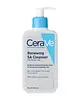 Key Ingredients
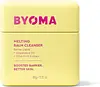
Benefits
Concerns
Ingredients Side-by-side
Water
Skin ConditioningCocamidopropyl Hydroxysultaine
CleansingGlycerin
Humectant



Sodium Lauroyl Sarcosinate
CleansingNiacinamide
Smoothing







Gluconolactone
Skin Conditioning

PEG-150 Pentaerythrityl Tetrastearate
Emulsifying
Sodium Methyl Cocoyl Taurate
Cleansing
Zea Mays Oil
Emulsifying

Ceramide NP
Skin Conditioning
Ceramide AP
Skin Conditioning
Ceramide EOP
Skin Conditioning
Carbomer
Emulsion StabilisingCalcium Gluconate
HumectantSodium Chloride
Masking


Salicylic Acid
Masking


Sodium Benzoate
Masking
Sodium Lauroyl Lactylate
EmulsifyingCholecalciferol
Cholesterol
Emollient
Phenoxyethanol
Preservative
Disodium EDTA
Tetrasodium EDTA
Hydrolyzed Hyaluronic Acid
Humectant
Phytosphingosine
Skin Conditioning
Xanthan Gum
EmulsifyingEthylhexylglycerin
Skin ConditioningWater, Cocamidopropyl Hydroxysultaine, Glycerin, Sodium Lauroyl Sarcosinate, Niacinamide, Gluconolactone, PEG-150 Pentaerythrityl Tetrastearate, Sodium Methyl Cocoyl Taurate, Zea Mays Oil, Ceramide NP, Ceramide AP, Ceramide EOP, Carbomer, Calcium Gluconate, Sodium Chloride, Salicylic Acid, Sodium Benzoate, Sodium Lauroyl Lactylate, Cholecalciferol, Cholesterol, Phenoxyethanol, Disodium EDTA, Tetrasodium EDTA, Hydrolyzed Hyaluronic Acid, Phytosphingosine, Xanthan Gum, Ethylhexylglycerin
Palmitic Acid
Emollient
Myristic Acid
Cleansing
Olea Europaea Fruit Oil
Masking
Vitis Vinifera Seed Oil
Emollient
Cetyl Ethylhexanoate
EmollientOrbignya Oleifera Seed Oil
Emollient
Niacinamide
Smoothing
Ceramide NP
Skin Conditioning
Hippophae Rhamnoides Oil
Emollient
Sphingolipids
Emollient
Stearic Acid
Cleansing
Sorbeth-30 Tetraoleate
Emulsifying
Synthetic Wax
Abrasive
1,2-Hexanediol
Skin Conditioning
Tocopheryl Acetate
Antioxidant

Rosmarinus Officinalis Leaf Oil
Masking
Palmitic Acid, Myristic Acid, Olea Europaea Fruit Oil, Vitis Vinifera Seed Oil, Cetyl Ethylhexanoate, Orbignya Oleifera Seed Oil, Niacinamide, Ceramide NP, Hippophae Rhamnoides Oil, Sphingolipids, Stearic Acid, Sorbeth-30 Tetraoleate, Synthetic Wax, 1,2-Hexanediol, Tocopheryl Acetate, Rosmarinus Officinalis Leaf Oil
Reviews
Ingredients Explained
These ingredients are found in both products.
Ingredients higher up in an ingredient list are typically present in a larger amount.
Ceramide NP is a type of ceramide and formally known as ceramide 3.
Ceramides are intercellular lipids naturally found in our skin that bonds dead skin cells together to create a barrier. They are known for their ability to hold water and thus are a great ingredient for dry skin.
Ceramides are an important building block for our skin barrier. A stronger barrier helps the skin look more firm and hydrated. By bolstering the skin ceramides act as a barrier against irritating ingredients. This can help with inflammation as well.
If you would like to eat ceramides, sweet potatoes contain a small amount.
Read more about other common types of ceramides here:
Ceramide AP
Ceramide EOP
Niacinamide is a multitasking form of vitamin B3 that strengthens the skin barrier, reduces pores and dark spots, regulates oil, and improves signs of aging.
And the best part? It's gentle and well-tolerated by most skin types, including sensitive and reactive skin.
You might have heard of "niacin flush", or the reddening of skin that causes itchiness. Niacinamide has not been found to cause this.
In very rare cases, some individuals may not be able to tolerate niacinamide at all or experience an allergic reaction to it.
If you are experiencing flaking, irritation, and dryness with this ingredient, be sure to double check all your products as this ingredient can be found in all categories of skincare.
When incorporating niacinamide into your routine, look out for concentration amounts. Typically, 5% niacinamide provides benefits such as fading dark spots. However, if you have sensitive skin, it is better to begin with a smaller concentration.
When you apply niacinamide to your skin, your body converts it into nicotinamide adenine dinucleotide (NAD). NAD is an essential coenzyme that is already found in your cells as "fuel" and powers countless biological processes.
In your skin, NAD helps repair cell damage, produce new healthy cells, support collagen production, strengthen the skin barrier, and fight environmental stressors (like UV and pollution).
Our natural NAD levels start to decline with age, leading to slower skin repair, visible aging, and a weaker skin barrier. By providing your skin niacinamide, you're recharging your skin's NAD levels. This leads to stronger, healthier, and younger looking skin.
Another name for vitamin B3 is nicotinamide. This vitamin is water-soluble and our bodies don't store it. We obtain Vitamin B3 from either food or skincare. Meat, fish, wheat, yeast, and leafy greens contain vitamin B3.
The type of niacinamide used in skincare is synthetically created.
Learn more about Niacinamide
