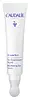
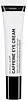
Caudalie Vinoperfect Dark Circle Brightening Eye Cream with Niacinamide Versus The INKEY List Caffeine Eye Cream
This brightening eye moisturizer is formulated around Caffeine and Niacinamide to fade the look of dark spots and brighten dull-looking skin.
This anti-aging eye moisturizer is formulated around Caffeine and Palmitoyl Tetrapeptide-7 to soften the look of wrinkles.


What's inside
What's inside
 Key Ingredients
Benefits
Concerns
Ingredients Side-by-side
Water
Skin ConditioningButylene Glycol
Humectant

Caprylic/Capric Triglyceride
Masking
Coco-Caprylate/Caprate
Emollient
Caffeine
Skin Conditioning

Cetearyl Alcohol
Emollient





Cetearyl Glucoside
Emulsifying
Niacinamide
Smoothing








Triheptanoin
Skin ConditioningHydrogenated Vegetable Oil
Emollient
Squalane
Emollient
Palmitoyl Grapevine Shoot Extract
Antioxidant
Oleic Acid
Emollient
Glyceryl Caprylate
EmollientCetyl Alcohol
Emollient
Potassium Cetyl Phosphate
EmulsifyingCarbomer
Emulsion StabilisingTerminalia Arjuna Extract
Skin ConditioningXanthan Gum
EmulsifyingHelianthus Annuus Seed Oil
Emollient
Sodium Dehydroacetate
Preservative
Tocopherol
Antioxidant
Sodium Hydroxide
BufferingLecithin
Emollient
Sodium Phytate
ChelatingWater, Butylene Glycol, Caprylic/Capric Triglyceride, Coco-Caprylate/Caprate, Caffeine, Cetearyl Alcohol, Cetearyl Glucoside, Niacinamide, Triheptanoin, Hydrogenated Vegetable Oil, Squalane, Palmitoyl Grapevine Shoot Extract, Oleic Acid, Glyceryl Caprylate, Cetyl Alcohol, Potassium Cetyl Phosphate, Carbomer, Terminalia Arjuna Extract, Xanthan Gum, Helianthus Annuus Seed Oil, Sodium Dehydroacetate, Tocopherol, Sodium Hydroxide, Lecithin, Sodium Phytate
Water
Skin ConditioningGlycerin
Humectant
Dicaprylyl Carbonate
EmollientPropanediol
Solvent
Polyglyceryl-6 Distearate
Emulsifying
Cetyl Alcohol
Emollient
Glyceryl Behenate
Emollient
Phenoxyethanol
Preservative
Hydroxyethyl Acrylate/Sodium Acryloyldimethyl Taurate Copolymer
Emulsion StabilisingJojoba Esters
Emollient
Albizia Julibrissin Bark Extract
MaskingSqualane
Emollient
Caffeine
Skin Conditioning
Polyglyceryl-3 Beeswax
Emulsifying
Phospholipids
Skin Conditioning
Ethylhexylglycerin
Skin ConditioningXanthan Gum
EmulsifyingGlycine Soja Oil
Emollient
Polysorbate 60
Emulsifying
Sodium Phytate
ChelatingGlycolipids
Skin ConditioningSorbitan Isostearate
Emulsifying
Butylene Glycol
Humectant
Citric Acid
Buffering
Glycine Soja Sterols
Emollient
Leuconostoc/Radish Root Ferment Filtrate
Antimicrobial
Hyaluronic Acid
Humectant
Sodium Benzoate
Masking
Tocopherol
Antioxidant
Carbomer
Emulsion StabilisingDarutoside
Skin ConditioningSodium Lactate
Buffering
Polysorbate 20
Emulsifying
Palmitoyl Tetrapeptide-7
Skin Conditioning
Palmitoyl Tripeptide-1
Skin Conditioning
Water, Glycerin, Dicaprylyl Carbonate, Propanediol, Polyglyceryl-6 Distearate, Cetyl Alcohol, Glyceryl Behenate, Phenoxyethanol, Hydroxyethyl Acrylate/Sodium Acryloyldimethyl Taurate Copolymer, Jojoba Esters, Albizia Julibrissin Bark Extract, Squalane, Caffeine, Polyglyceryl-3 Beeswax, Phospholipids, Ethylhexylglycerin, Xanthan Gum, Glycine Soja Oil, Polysorbate 60, Sodium Phytate, Glycolipids, Sorbitan Isostearate, Butylene Glycol, Citric Acid, Glycine Soja Sterols, Leuconostoc/Radish Root Ferment Filtrate, Hyaluronic Acid, Sodium Benzoate, Tocopherol, Carbomer, Darutoside, Sodium Lactate, Polysorbate 20, Palmitoyl Tetrapeptide-7, Palmitoyl Tripeptide-1
Reviews
Ingredients Explained
These ingredients are found in both products.
Ingredients higher up in an ingredient list are typically present in a larger amount.
Butylene Glycol (or BG) is used within cosmetic products for a few different reasons:
Overall, Butylene Glycol is a safe and well-rounded ingredient that works well with other ingredients.
Though this ingredient works well with most skin types, some people with sensitive skin may experience a reaction such as allergic rashes, closed comedones, or itchiness.
Learn more about Butylene GlycolCaffeine is a naturally occurring plant compound found in coffee beans, tea leaves, cocoa pods, and guarana.
As an antioxidant, caffeine protects your skin from free radical damage caused by UV exposure and envionrmnetal stressors.
Early research also shows that caffeine can help calm redness, soothe irritated skin, and support hair growth by stimulating microcirculation in the scalp.
You might have seen eye creams marketing caffeine as a depuffing ingredient. This is because it is a vasoconstrictor meaning it can temporarily constrict blood vessels, though clinical evidence for this specific use is still limited.
Most skincare products contain this ingredient at concentrations between 1-6%. It is able to penetrate skin easily regardless of skin type or thickness.
Just so you know, a very small number of case reports describe caffeine-induced allergy. This ingredient is generally well-tolerated, non-irritating, and non-sensitizing for the majority of people.
Learn more about CaffeineCarbomer is a synthetic thickening and gelling agent. It's basically the ingredient that gives a lot of serums, gels, creams, and sunscreens their smooth, non-sticky texture.
Although legally permitted at very high levels, carbomers are normally used at concentrations below 1%.
It also needs to be neutralized to actually thicken, and because it is a large molecule, it doesn't really penetrate the skin barrier.
Allergy-wise, the risk is very low. Clinical studies show carbomers have low potential for skin irritation/sensitization even at concentrations up to 100%.
A 2024 UK study patch-tested 1,302 patients and found true allergy to the parent group of carbomer to be rare with no confirmed relevant reactions.
Learn more about CarbomerCetyl Alcohol is a fatty alcohol. Fatty Alcohols are most often used as an emollient or to thicken a product.
Its main roles are:
Though it has "alcohol" in the name, it is not related to denatured alcohol or ethyl alcohol.
The FDA allows products labeled "alcohol-free" to have fatty alcohols.
This ingredient may not be fungal acne safe. It is a primary fatty alcohol with a chain length above 12 carbons. A study from 2019 show Malassezia can feed on fatty alcohols in this range, so it may trigger fungal acne in those prone to it.
Learn more about Cetyl AlcoholSodium Phytate is the sodium salt of Phytic acid, a compound that plants store phosphorus in. It's the plant-derived alternative to ingredients like Disodium EDTA.
In skincare, this ingredient is a chelator that grabs onto trace metal ions like iron and copper that sneak into formulas through water/raw materials.
Those metals speed up oxidation so binding them keeps oils, fragrance, and actives from going off, stops color changes, and helps the preservative system work harder.
Survey data shows usage levels range from 0.0099%-0.5% in leave-on products, 0.025%-0.3% in rinse-off, and up to 0.05% in eye-area products. Suppliers typically recommend a range between 0.05-0.5%.
Learn more about Sodium PhytateSqualane is the hydrogenated and shelf-stable form of squalene (a lipid that naturally occurs in human sebum).
It is an emollient and skin conditioning agent that is able to integrate seamlessly into the skin's lipid barrier without clogging pores.
This is due to how structurally similar it is to what your skin already produces.
Though it is mostly an emollient that helps soften and hydrate skin, it also has some humectant and occlusive action. Humectants help the skin retain moisture while occlusives seal it in, making squalane a triple-threat moisturizer.
Research shows it has antioxidant capabilities that help protect against stressors like UV exposure, specifically UVA induced oxidative stress. This study also found that it supports collagen biosynthesis in human dermal fibroblasts.
No clinical study has reported significant adverse effects and irritation reactions are very rare from this ingredient (even at 100% concentration).
Overall, it's a fantastic ingredient for hydration and is suitable for all skin types.
This depends on the source. Squalane can be derived from both plants and animals. Most squalane used in skincare comes from plants.
Please note: the source of squalane is only known if disclosed by the brand. We recommend reaching out to the brand if you have any questions about their squalane.
Read more about squalene with an "e".
Though squalane is often called an oil, it’s technically not one. It is a hydrocarbon, meaning it is only made of carbon and hydrogen. True oils are triglycerides and made of fatty acids and glycerol.
The term “oil-free” isn’t regulated so companies can define it however they want. Some exclude all oils, while others just avoid mineral oil or comedogenic oils.
Squalane has a comedogenic rating of 1 from the original 1972 study that tested raw ingredients under occlusion on rabbit ears. This system is not standardized or peer-reviewed, and using the raw ingredients is very different from how diluted cosmetic formulations are used on human skin.
A comedogenic rating of 1 means it is "unlikely to clog pores" according to the original rating system.
The overall formula of a product matters more than the individual ingredients on whether or not it will cause clogged pores.
Learn more about SqualaneTocopherol is a fat-soluble antioxidant known as Vitamin E.
You'll find this ingredient in the vast majority of skincare (for good reason). It works to neutralize free radicals, or unstable molecules generated by UV exposure, pollution, and other environmental stressors, before they can cause oxidative damage to your skin cells.
Topically applied tocopherol has been shown to protect against UV damage by ramping up the skin's own natural defense enzymes.
It also acts as a skin conditioning agent; some studies show that regular topical use can improve the skin's water-binding capacity over 2-4 weeks.
This ingredient is especially loved for being a team player. When combined with Vitamin C, the photoprotective effect of both ingredients roughly doubles and the combo also helps reduce UV-induced DNA damage.
This ingredient has some brightening potential but it's more of a prevention ingredient than spot-fader. Cell studies show it can slow down melanin production but it's worth noting that it's not the most powerful brightener out there.
In formulations, it also serves as a stabilizer that helps protect other oxidation-prone ingredients from degrading.
Concentrations usually range from 0.1-1% in most leave-on products.
Learn more about TocopherolWater. It's the most common cosmetic ingredient of all. You'll usually see it at the top of ingredient lists, meaning that it makes up the largest part of the product.
So why is it so popular? Water most often acts as a solvent - this means that it helps dissolve other ingredients into the formulation.
You'll also recognize water as that liquid we all need to stay alive. If you see this, drink a glass of water. Remember to stay hydrated!
Learn more about WaterXanthan gum is used as a stabilizer and thickener within cosmetic products. It helps give products a sticky, thick feeling - preventing them from being too runny.
On the technical side of things, xanthan gum is a polysaccharide - a combination consisting of multiple sugar molecules bonded together.
Xanthan gum is a pretty common and great ingredient. It is a natural, non-toxic, non-irritating ingredient that is also commonly used in food products.
Learn more about Xanthan Gum

