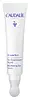
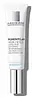
Caudalie Vinoperfect Dark Circle Brightening Eye Cream with Niacinamide Versus La Roche-Posay Pigmentclar EYES
This brightening eye moisturizer is formulated around Caffeine and Niacinamide to fade the look of dark spots and brighten dull-looking skin.
This brightening eye moisturizer is formulated around Niacinamide and Caffeine to fade the look of dark spots and brighten dull-looking skin.

What's inside
What's inside
 Key Ingredients
Benefits
Concerns
Ingredients Side-by-side
Water
Skin ConditioningButylene Glycol
Humectant

Caprylic/Capric Triglyceride
Masking
Coco-Caprylate/Caprate
Emollient
Caffeine
Skin Conditioning

Cetearyl Alcohol
Emollient





Cetearyl Glucoside
Emulsifying
Niacinamide
Smoothing








Triheptanoin
Skin ConditioningHydrogenated Vegetable Oil
Emollient
Squalane
Emollient
Palmitoyl Grapevine Shoot Extract
Antioxidant
Oleic Acid
Emollient
Glyceryl Caprylate
EmollientCetyl Alcohol
Emollient
Potassium Cetyl Phosphate
EmulsifyingCarbomer
Emulsion StabilisingTerminalia Arjuna Extract
Skin ConditioningXanthan Gum
EmulsifyingHelianthus Annuus Seed Oil
Emollient
Sodium Dehydroacetate
Preservative
Tocopherol
Antioxidant
Sodium Hydroxide
BufferingLecithin
Emollient
Sodium Phytate
Water, Butylene Glycol, Caprylic/Capric Triglyceride, Coco-Caprylate/Caprate, Caffeine, Cetearyl Alcohol, Cetearyl Glucoside, Niacinamide, Triheptanoin, Hydrogenated Vegetable Oil, Squalane, Palmitoyl Grapevine Shoot Extract, Oleic Acid, Glyceryl Caprylate, Cetyl Alcohol, Potassium Cetyl Phosphate, Carbomer, Terminalia Arjuna Extract, Xanthan Gum, Helianthus Annuus Seed Oil, Sodium Dehydroacetate, Tocopherol, Sodium Hydroxide, Lecithin, Sodium Phytate
Water
Skin ConditioningGlycerin
Humectant
Butylene Glycol
Humectant
Dimethicone
Emollient
Niacinamide
Smoothing
Isopropyl Palmitate
Emollient
Cetearyl Alcohol
Emollient
Ammonium Polyacryloyldimethyl Taurate
Emulsion StabilisingButyrospermum Parkii Butter
Skin Conditioning
PEG-100 Stearate
Surfactant
PEG/PPG/Polybutylene Glycol-8/5/3 Glycerin
HumectantStearic Acid
Cleansing
Glyceryl Stearate
Emollient
Dimethicone/Vinyl Dimethicone Crosspolymer
Skin Conditioning
Dimethiconol
Emollient
Caffeine
Skin Conditioning
Sodium Hydroxide
BufferingSilica
Abrasive
Ginkgo Biloba Leaf Extract
Skin Conditioning
Palmitic Acid
Emollient
Alumina
Abrasive
Phenylethyl Resorcinol
Antioxidant
Ascorbyl Glucoside
Antioxidant
Poloxamer 338
EmulsifyingDisodium EDTA
Isopropyl Titanium Triisostearate
Emollient
Hydrolyzed Rice Protein
Skin ConditioningCaprylyl Glycol
Emollient
Xanthan Gum
EmulsifyingFerulic Acid
Antimicrobial
Phenoxyethanol
Preservative
CI 77491
Cosmetic ColorantCI 77492
Cosmetic ColorantCI 77499
Cosmetic ColorantCI 77891
Cosmetic ColorantMica
Cosmetic ColorantWater, Glycerin, Butylene Glycol, Dimethicone, Niacinamide, Isopropyl Palmitate, Cetearyl Alcohol, Ammonium Polyacryloyldimethyl Taurate, Butyrospermum Parkii Butter, PEG-100 Stearate, PEG/PPG/Polybutylene Glycol-8/5/3 Glycerin, Stearic Acid, Glyceryl Stearate, Dimethicone/Vinyl Dimethicone Crosspolymer, Dimethiconol, Caffeine, Sodium Hydroxide, Silica, Ginkgo Biloba Leaf Extract, Palmitic Acid, Alumina, Phenylethyl Resorcinol, Ascorbyl Glucoside, Poloxamer 338, Disodium EDTA, Isopropyl Titanium Triisostearate, Hydrolyzed Rice Protein, Caprylyl Glycol, Xanthan Gum, Ferulic Acid, Phenoxyethanol, CI 77491, CI 77492, CI 77499, CI 77891, Mica
Reviews
Ingredients Explained
These ingredients are found in both products.
Ingredients higher up in an ingredient list are typically present in a larger amount.
Butylene Glycol (or BG) is used within cosmetic products for a few different reasons:
Overall, Butylene Glycol is a safe and well-rounded ingredient that works well with other ingredients.
Though this ingredient works well with most skin types, some people with sensitive skin may experience a reaction such as allergic rashes, closed comedones, or itchiness.
Learn more about Butylene GlycolCaffeine is a naturally occurring plant compound found in coffee beans, tea leaves, cocoa pods, and guarana.
As an antioxidant, caffeine protects your skin from free radical damage caused by UV exposure and envionrmnetal stressors.
Early research also shows that caffeine can help calm redness, soothe irritated skin, and support hair growth by stimulating microcirculation in the scalp.
You might have seen eye creams marketing caffeine as a depuffing ingredient. This is because it is a vasoconstrictor meaning it can temporarily constrict blood vessels, though clinical evidence for this specific use is still limited.
Most skincare products contain this ingredient at concentrations between 1-6%. It is able to penetrate skin easily regardless of skin type or thickness.
Just so you know, a very small number of case reports describe caffeine-induced allergy. This ingredient is generally well-tolerated, non-irritating, and non-sensitizing for the majority of people.
Learn more about CaffeineCetearyl alcohol is a waxy mixture of two fatty alcohols: cetyl alcohol and stearyl alcohol. It is an emollient and emulsifier.
Despite having "alcohol" in its name, it has nothing to do with drying solvent alcohols; the FDA also allows "alcohol-free" products to contain fatty alcohols like this ingredient.
It plays several roles in a formula:
Typical use levels for this ingredient sit around 1-10% and the Cosmetic Ingredient Review Expert Panel has affirmed safety at concentrations up to 25% in leave-on products.
Multiple assessments have found it to be non-irritating and non-sensitizing to most people.
However, there have been some cases of allergic contact dermatitis in patients with chronically compromised skin barriers.
Cetearyl alcohol has a comedogenic rating of 2 and irritancy rating of 1. Both of these numbers come from the 1989 study that used rabbit ears; a "2" means mildly comedogenic and a "1" means low irritancy.
Here's the catch: rabbit skin is more sensitive than human skin and throws a lot of false positives. A 1996 reappraisal found that ingredients rated 1-2 in the rabbit ear tests are generally safe for humans.
Remember comedogenic ratings are unable to assess the entire formula of a product or how it will react on your skin. Just be sure to patch test if you are unsure about certain ingredients.
This ingredient is not fungal acne safe. Cetearyl alcohol is a fatty alcohol with chain lengths that fall within the range that Malassezia can metabolize.
A 2019 study has also observed Malassezia growth in the presence of this ingredient, confirming it to be not-fungal acne safe.
Learn more about Cetearyl AlcoholNiacinamide is a multitasking form of vitamin B3 that strengthens the skin barrier, reduces pores and dark spots, regulates oil, and improves signs of aging.
And the best part? It's gentle and well-tolerated by most skin types, including sensitive and reactive skin.
You might have heard of "niacin flush", or the reddening of skin that causes itchiness. Niacinamide has not been found to cause this.
In very rare cases, some individuals may not be able to tolerate niacinamide at all or experience an allergic reaction to it.
If you are experiencing flaking, irritation, and dryness with this ingredient, be sure to double check all your products as this ingredient can be found in all categories of skincare.
When incorporating niacinamide into your routine, look out for concentration amounts. Typically, 5% niacinamide provides benefits such as fading dark spots. However, if you have sensitive skin, it is better to begin with a smaller concentration.
When you apply niacinamide to your skin, your body converts it into nicotinamide adenine dinucleotide (NAD). NAD is an essential coenzyme that is already found in your cells as "fuel" and powers countless biological processes.
In your skin, NAD helps repair cell damage, produce new healthy cells, support collagen production, strengthen the skin barrier, and fight environmental stressors (like UV and pollution).
Our natural NAD levels start to decline with age, leading to slower skin repair, visible aging, and a weaker skin barrier. By providing your skin niacinamide, you're recharging your skin's NAD levels. This leads to stronger, healthier, and younger looking skin.
Another name for vitamin B3 is nicotinamide. This vitamin is water-soluble and our bodies don't store it. We obtain Vitamin B3 from either food or skincare. Meat, fish, wheat, yeast, and leafy greens contain vitamin B3.
The type of niacinamide used in skincare is synthetically created.
Learn more about NiacinamideSodium Hydroxide is also known as lye or caustic soda. It is used to adjust the pH of products; many ingredients require a specific pH to be effective.
In small amounts, sodium hydroxide is considered safe to use. However, large amounts may cause chemical burns due to its high alkaline.
Your skin has a natural pH and acid mantle. This acid mantle helps prevent harmful bacteria from breaking through. The acid mantle also helps keep your skin hydrated.
"Alkaline" refers to a high pH level. A low pH level would be considered acidic.
Learn more about Sodium HydroxideWater. It's the most common cosmetic ingredient of all. You'll usually see it at the top of ingredient lists, meaning that it makes up the largest part of the product.
So why is it so popular? Water most often acts as a solvent - this means that it helps dissolve other ingredients into the formulation.
You'll also recognize water as that liquid we all need to stay alive. If you see this, drink a glass of water. Remember to stay hydrated!
Learn more about WaterXanthan gum is used as a stabilizer and thickener within cosmetic products. It helps give products a sticky, thick feeling - preventing them from being too runny.
On the technical side of things, xanthan gum is a polysaccharide - a combination consisting of multiple sugar molecules bonded together.
Xanthan gum is a pretty common and great ingredient. It is a natural, non-toxic, non-irritating ingredient that is also commonly used in food products.
Learn more about Xanthan Gum

