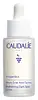
This brightening serum is formulated around Palmitoyl Grapevine Shoot Extract and Squalane to fade the look of dark spots and brighten dull-looking skin.
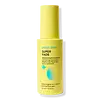
This brightening serum is formulated around Niacinamide and Acetyl Glucosamine to fade the look of dark spots and calm redness.


What's inside
What's inside
 Key Ingredients
Benefits
Concerns
No concerns
Ingredients Side-by-side
Water
Skin ConditioningButylene Glycol
Humectant

Glycerin
Humectant
Coco-Caprylate/Caprate
Emollient
Squalane
Emollient
Palmitoyl Grapevine Shoot Extract
Antioxidant


Polyglyceryl-3 Distearate
Emulsifying

Bisabolol
Antioxidant

Glyceryl Stearate
Emollient
Xanthan Gum
EmulsifyingCaprylyl Glycol
Emollient
Microcrystalline Cellulose
AbsorbentPolyacrylate Crosspolymer-6
Emulsion StabilisingPotassium Sorbate
Preservative
Glyceryl Stearate Citrate
Emollient
Citric Acid
Buffering
Sodium Phytate
ChelatingSodium Hydroxide
BufferingParfum
Masking



Water, Butylene Glycol, Glycerin, Coco-Caprylate/Caprate, Squalane, Palmitoyl Grapevine Shoot Extract, Polyglyceryl-3 Distearate, Bisabolol, Glyceryl Stearate, Xanthan Gum, Caprylyl Glycol, Microcrystalline Cellulose, Polyacrylate Crosspolymer-6, Potassium Sorbate, Glyceryl Stearate Citrate, Citric Acid, Sodium Phytate, Sodium Hydroxide, Parfum
Water
Skin ConditioningPropanediol
Solvent
Niacinamide
Smoothing




Cetyl Tranexamate Mesylate
1,2-Hexanediol
Skin Conditioning
Glycerin
Humectant
Acetyl Glucosamine
Skin Conditioning
Cucumis Sativus Fruit Extract
Emollient
Glycyrrhiza Glabra Root Extract
Bleaching
Panthenol
Skin Conditioning
Camellia Sinensis Leaf Extract
Antimicrobial
Madecassoside
Antioxidant
Asiaticoside
Antioxidant
Madecassic Acid
Skin Conditioning
Asiatic Acid
Skin Conditioning
Kojic Acid
Antioxidant
Allantoin
Skin Conditioning
Salix Alba Bark Water
Astringent
Calendula Officinalis Flower Extract
Masking
Malus Domestica Fruit Extract
Antioxidant
Citrullus Lanatus Fruit Extract
Skin Conditioning
Lens Esculenta Fruit Extract
Skin ConditioningEuterpe Oleracea Fruit Extract
Butylene Glycol
Humectant
Sucrose
Humectant
Ceratonia Siliqua Gum
EmollientHydroxyethylcellulose
Emulsion StabilisingSodium Phytate
ChelatingCaprylyl Glycol
Emollient
Ethylhexylglycerin
Skin ConditioningWater, Propanediol, Niacinamide, Cetyl Tranexamate Mesylate, 1,2-Hexanediol, Glycerin, Acetyl Glucosamine, Cucumis Sativus Fruit Extract, Glycyrrhiza Glabra Root Extract, Panthenol, Camellia Sinensis Leaf Extract, Madecassoside, Asiaticoside, Madecassic Acid, Asiatic Acid, Kojic Acid, Allantoin, Salix Alba Bark Water, Calendula Officinalis Flower Extract, Malus Domestica Fruit Extract, Citrullus Lanatus Fruit Extract, Lens Esculenta Fruit Extract, Euterpe Oleracea Fruit Extract, Butylene Glycol, Sucrose, Ceratonia Siliqua Gum, Hydroxyethylcellulose, Sodium Phytate, Caprylyl Glycol, Ethylhexylglycerin
Reviews
Ingredients Explained
These ingredients are found in both products.
Ingredients higher up in an ingredient list are typically present in a larger amount.
Butylene Glycol (or BG) is used within cosmetic products for a few different reasons:
Overall, Butylene Glycol is a safe and well-rounded ingredient that works well with other ingredients.
Though this ingredient works well with most skin types, some people with sensitive skin may experience a reaction such as allergic rashes, closed comedones, or itchiness.
Learn more about Butylene GlycolCaprylyl Glycol is a humectant, skin conditioner, emollient, and preservative booster derived from either caprylic acid or synthetically created.
Typical use levels vary from 0.3-1% as a preservative booster and go up to 2% to condition skin.
Because it is not a free-fatty acid, this ingredient is fungal acne safe (there's nothing for Malassezia to feed on).
Learn more about Caprylyl GlycolGlycerin (or glycerol) is a compound naturally found in your skin. It's a powerhouse humectant that pulls water into the stratum corneum.
Topically, glycerin does several things at once:
Your skin makes glycerin on its own (mostly from sebaceous oil breakdown) and shuttles it to your outermost layer of skin, or your epidermis, via aquaporin-3.
Aquaporin-3 is a transporter that is essential for normal skin hydration, elasticity, and repair. Interestingly, mice lacking in AQP3 have dry and less elastic skin that can be fully corrected with glycerin.
This ingredient is non-irritating, plays well with almost every ingredient, and works across all skin types. Typical use is anywhere between 3-10% but can go up to 79% in some leave-on products.
Just know very high concentrations (>40%) can feel tacky in low humidity.
Glycerin is the name for this ingredient in American English. British English uses Glycerol/Glycerine.
Learn more about GlycerinSodium Phytate is the sodium salt of Phytic acid, a compound that plants store phosphorus in. It's the plant-derived alternative to ingredients like Disodium EDTA.
In skincare, this ingredient is a chelator that grabs onto trace metal ions like iron and copper that sneak into formulas through water/raw materials.
Those metals speed up oxidation so binding them keeps oils, fragrance, and actives from going off, stops color changes, and helps the preservative system work harder.
Survey data shows usage levels range from 0.0099%-0.5% in leave-on products, 0.025%-0.3% in rinse-off, and up to 0.05% in eye-area products. Suppliers typically recommend a range between 0.05-0.5%.
Learn more about Sodium PhytateWater. It's the most common cosmetic ingredient of all. You'll usually see it at the top of ingredient lists, meaning that it makes up the largest part of the product.
So why is it so popular? Water most often acts as a solvent - this means that it helps dissolve other ingredients into the formulation.
You'll also recognize water as that liquid we all need to stay alive. If you see this, drink a glass of water. Remember to stay hydrated!
Learn more about Water

