Caudalie Vinoperfect Brightening Dark Spot Serum Versus SkinBetter Science Even Tone Correcting Serum
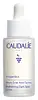
This brightening serum is formulated around Palmitoyl Grapevine Shoot Extract and Squalane to fade the look of dark spots and brighten dull-looking skin.
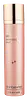
This brightening serum is formulated around Alpha-Arbutin and Hexylresorcinol to fade the look of dark spots and brighten dull-looking skin.


What's inside
What's inside
 Key Ingredients
Benefits
Concerns
Ingredients Side-by-side
Water
Skin ConditioningButylene Glycol
Humectant

Glycerin
Humectant
Coco-Caprylate/Caprate
Emollient
Squalane
Emollient
Palmitoyl Grapevine Shoot Extract
Antioxidant


Polyglyceryl-3 Distearate
Emulsifying

Bisabolol
Antioxidant

Glyceryl Stearate
Emollient
Xanthan Gum
EmulsifyingCaprylyl Glycol
Emollient
Microcrystalline Cellulose
AbsorbentPolyacrylate Crosspolymer-6
Emulsion StabilisingPotassium Sorbate
Preservative
Glyceryl Stearate Citrate
Emollient
Citric Acid
Buffering
Sodium Phytate
Sodium Hydroxide
BufferingParfum
Masking



Water, Butylene Glycol, Glycerin, Coco-Caprylate/Caprate, Squalane, Palmitoyl Grapevine Shoot Extract, Polyglyceryl-3 Distearate, Bisabolol, Glyceryl Stearate, Xanthan Gum, Caprylyl Glycol, Microcrystalline Cellulose, Polyacrylate Crosspolymer-6, Potassium Sorbate, Glyceryl Stearate Citrate, Citric Acid, Sodium Phytate, Sodium Hydroxide, Parfum
Water
Skin ConditioningC13-15 Alkane
SolventPropanediol
Solvent
Caprylic/Capric Triglyceride
Masking
Glyceryl Stearate Citrate
Emollient
Linoleic Acid
Cleansing
Glycerin
Humectant
Dimethicone
Emollient
Alpha-Arbutin
Antioxidant
Arginine PCA
HumectantHydrolyzed Sodium Hyaluronate
Skin Conditioning
Bisabolol
Antioxidant
Cetearyl Alcohol
Emollient

Acetyl Glycyl Beta-Alanine
Skin ConditioningHexylresorcinol
Antimicrobial
Terminalia Ferdinandiana Fruit Extract
Antioxidant
Artemisia Capillaris Flower Extract
Skin ConditioningDiglucosyl Gallic Acid
Pancratium Maritimum Extract
BleachingCeramide Ng
Skin Conditioning
Linolenic Acid
Cleansing
Beta-Glucan
Skin Conditioning
Algin
Masking
Tocopherol
Antioxidant
Butylene Glycol
Humectant
Ethylhexylglycerin
Skin ConditioningXanthan Gum
EmulsifyingCarbomer
Emulsion StabilisingSodium Phytate
Sodium Hydroxide
BufferingPhenoxyethanol
Preservative
Benzoic Acid
Masking
Sorbic Acid
Preservative
Citric Acid
Buffering
Water, C13-15 Alkane, Propanediol, Caprylic/Capric Triglyceride, Glyceryl Stearate Citrate, Linoleic Acid, Glycerin, Dimethicone, Alpha-Arbutin, Arginine PCA, Hydrolyzed Sodium Hyaluronate, Bisabolol, Cetearyl Alcohol, Acetyl Glycyl Beta-Alanine, Hexylresorcinol, Terminalia Ferdinandiana Fruit Extract, Artemisia Capillaris Flower Extract, Diglucosyl Gallic Acid, Pancratium Maritimum Extract, Ceramide Ng, Linolenic Acid, Beta-Glucan, Algin, Tocopherol, Butylene Glycol, Ethylhexylglycerin, Xanthan Gum, Carbomer, Sodium Phytate, Sodium Hydroxide, Phenoxyethanol, Benzoic Acid, Sorbic Acid, Citric Acid
Reviews
Ingredients Explained
These ingredients are found in both products.
Ingredients higher up in an ingredient list are typically present in a larger amount.
Bisabolol is a gentle skin conditioner, antioxidant, and soothing ingredient.
It's primary claim to fame is soothing and research shows topically applied bisabolol can quiet the chemical messengers that cause your skin to become inflamed, helping to sooth any irritation.
A clinical study found that applying 0.5% bisabolol daily for 8 weeks produced an average 9% decrease in skin pigmentation. Researchers found it can also suppress the process that leads to excess melanin production in skin.
In vitro studies found that bisabolol combined with propylene glycol significantly increased skin permeability by increasing lipid fluidity in the stratum corneum.
You'll likely see use concentrations quite low, usually 0.1-0.2%.
Overall, this is a well-tolerated ingredient that works well in formulas designed for sensitive, reactive, or post-procedure skin.
Learn more about BisabololButylene Glycol (or BG) is used within cosmetic products for a few different reasons:
Overall, Butylene Glycol is a safe and well-rounded ingredient that works well with other ingredients.
Though this ingredient works well with most skin types, some people with sensitive skin may experience a reaction such as allergic rashes, closed comedones, or itchiness.
Learn more about Butylene GlycolCitric Acid is an alpha hydroxy acid (AHA) naturally found in citrus fruits like oranges, lemons, and limes.
Like other AHAs, citric acid can exfoliate skin by breaking down the bonds that hold dead skin cells together. This helps reveal smoother and brighter skin underneath.
However, this exfoliating effect only happens at high concentrations (20%) which can be hard to find in cosmetic products.
Due to this, citric acid is usually included in small amounts as a pH adjuster. This helps keep products slightly more acidic and compatible with skin's natural pH.
In skincare formulas, citric acid can:
While it can provide some skin benefits, research shows lactic acid and glycolic acid are generally more effective and less irritating exfoliants.
Most citric acid used in skincare today is made by fermenting sugars (usually from molasses). This synthetic version is identical to the natural citrus form but easier to stabilize and use in formulations.
Rosacea skin has a lower threshold for acids generally, with 62.5% of rosacea subjects in one study reacting to lactic acid in a sting test. This is why we mark citric acid as a potential rosacea trigger.
However, this ingredient shows up as a pH adjuster or chelator at roughly 0.1-1% in many products. These low levels are unlikely to be an issue for rosacea skin and becomes a potential trigger at exfoliating concentrations (20%). Because everybody's skin is unique, we recommend a patch test if you are unsure.
Learn more about Citric AcidGlycerin (or glycerol) is a compound naturally found in your skin. It's a powerhouse humectant that pulls water into the stratum corneum.
Topically, glycerin does several things at once:
Your skin makes glycerin on its own (mostly from sebaceous oil breakdown) and shuttles it to your outermost layer of skin, or your epidermis, via aquaporin-3.
Aquaporin-3 is a transporter that is essential for normal skin hydration, elasticity, and repair. Interestingly, mice lacking in AQP3 have dry and less elastic skin that can be fully corrected with glycerin.
This ingredient is non-irritating, plays well with almost every ingredient, and works across all skin types. Typical use is anywhere between 3-10% but can go up to 79% in some leave-on products.
Just know very high concentrations (>40%) can feel tacky in low humidity.
Glycerin is the name for this ingredient in American English. British English uses Glycerol/Glycerine.
Learn more about GlycerinGlyceryl Stearate Citrate is a citric acid ester of glyceryl stearate.
It is an emulsifier, emollient, and a surfactant.
Emulsifiers help stabilize a product. It does this by preventing certain ingredients from separating. Common ingredients include oils and water, which do not mix naturally. Emulsifiers have properties that help keep ingredients such as these together.
Emollients help soothe and soften the skin. They do this by creating a protective film on your skin. This barrier helps trap moisture and keeps your skin hydrated. Emollients may be effective at treating dry or itchy skin.
Surfactants help gather oils, dirt, and other pollutants from the skin. This helps them to be easily rinsed away.
Learn more about Glyceryl Stearate CitrateSodium Hydroxide is also known as lye or caustic soda. It is used to adjust the pH of products; many ingredients require a specific pH to be effective.
In small amounts, sodium hydroxide is considered safe to use. However, large amounts may cause chemical burns due to its high alkaline.
Your skin has a natural pH and acid mantle. This acid mantle helps prevent harmful bacteria from breaking through. The acid mantle also helps keep your skin hydrated.
"Alkaline" refers to a high pH level. A low pH level would be considered acidic.
Learn more about Sodium HydroxideSodium Phytate is the synthetic salt form of phytic acid. Phytic acid is an antioxidant and can be found in plant seeds.
Sodium Phytate is a chelating agent. Chelating agents help prevent metals from binding to water. This helps stabilize the ingredients and the product.
Water. It's the most common cosmetic ingredient of all. You'll usually see it at the top of ingredient lists, meaning that it makes up the largest part of the product.
So why is it so popular? Water most often acts as a solvent - this means that it helps dissolve other ingredients into the formulation.
You'll also recognize water as that liquid we all need to stay alive. If you see this, drink a glass of water. Remember to stay hydrated!
Learn more about WaterXanthan gum is used as a stabilizer and thickener within cosmetic products. It helps give products a sticky, thick feeling - preventing them from being too runny.
On the technical side of things, xanthan gum is a polysaccharide - a combination consisting of multiple sugar molecules bonded together.
Xanthan gum is a pretty common and great ingredient. It is a natural, non-toxic, non-irritating ingredient that is also commonly used in food products.
Learn more about Xanthan Gum

