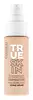
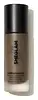
Catrice True Skin Hydrating Foundation Versus SHEGLAM Complexion Pro Long Lasting Breathable Matte Foundation


What's inside
What's inside
 Key Ingredients
Benefits
Concerns
Ingredients Side-by-side
Water
Skin ConditioningIsododecane
EmollientTalc
Abrasive
Coco-Caprylate
Emollient

Hydrogenated Tetradecenyl/Methylpentadecene
SolventTrimethylsiloxysilicate
Emollient
Cetyl PEG/PPG-10/1 Dimethicone
Emulsifying
Propanediol
Solvent
Dimethicone
Emollient
Sodium Chloride
MaskingPEG-10 Dimethicone
Skin Conditioning
Sodium Hyaluronate
Humectant


Citrullus Lanatus Seed Oil
Emollient


Tocopherol
Antioxidant



Disteardimonium Hectorite
StabilisingCaprylyl Glycol
Emollient
Triethoxycaprylylsilane
Dimethiconol Stearate
EmollientHexylene Glycol
EmulsifyingAluminum Hydroxide
EmollientPotassium Sorbate
Preservative
Sodium Dehydroacetate
Preservative
Phenoxyethanol
Preservative
Parfum
Masking



CI 77491
Cosmetic ColorantCI 77492
Cosmetic ColorantCI 77499
Cosmetic ColorantCI 77891
Cosmetic ColorantWater, Isododecane, Talc, Coco-Caprylate, Hydrogenated Tetradecenyl/Methylpentadecene, Trimethylsiloxysilicate, Cetyl PEG/PPG-10/1 Dimethicone, Propanediol, Dimethicone, Sodium Chloride, PEG-10 Dimethicone, Sodium Hyaluronate, Citrullus Lanatus Seed Oil, Tocopherol, Disteardimonium Hectorite, Caprylyl Glycol, Triethoxycaprylylsilane, Dimethiconol Stearate, Hexylene Glycol, Aluminum Hydroxide, Potassium Sorbate, Sodium Dehydroacetate, Phenoxyethanol, Parfum, CI 77491, CI 77492, CI 77499, CI 77891
Water
Skin ConditioningCyclopentasiloxane
Emollient
Titanium Dioxide
Cosmetic Colorant

CI 77492
Cosmetic ColorantTrimethylsiloxysilicate
Emollient
Glycerin
Humectant
Butylene Glycol
Humectant
CI 77491
Cosmetic ColorantPEG/PPG-18/18 Dimethicone
Emulsifying
Phenyl Trimethicone
Skin Conditioning
Nylon-12

Polymethylsilsesquioxane
Acrylates/Dimethicone Copolymer
Skin Conditioning
Phenoxyethanol
Preservative
Magnesium Sulfate
Synthetic Fluorphlogopite
CI 77499
Cosmetic ColorantDisteardimonium Hectorite
StabilisingPolyglyceryl-3 Diisostearate
Emulsifying

Alcohol
Antimicrobial


Lauryl PEG-10 Tris(Trimethylsiloxy)Silylethyl Dimethicone
Emulsifying
Panthenol
Skin Conditioning
Aluminum Hydroxide
EmollientIsopropyl Titanium Triisostearate
Emollient
Silica
Abrasive
Bis-PEG-15 Dimethicone/Ipdi Copolymer
Tribehenin
Emollient
Ethylhexylglycerin
Skin ConditioningZinc Oxide
Cosmetic Colorant
Stearic Acid
Cleansing
Tocopherol
Antioxidant
Allantoin
Skin Conditioning
Cetyl Dimethicone
Emollient
PEG-2 Soyamine
EmulsifyingHelianthus Annuus Seed Oil
Emollient
Hydroxyapatite
Abrasive
Xanthan Gum
EmulsifyingPropanediol
Solvent
Rhodomyrtus Tomentosa Fruit Extract
HumectantWater, Cyclopentasiloxane, Titanium Dioxide, CI 77492, Trimethylsiloxysilicate, Glycerin, Butylene Glycol, CI 77491, PEG/PPG-18/18 Dimethicone, Phenyl Trimethicone, Nylon-12, Polymethylsilsesquioxane, Acrylates/Dimethicone Copolymer, Phenoxyethanol, Magnesium Sulfate, Synthetic Fluorphlogopite, CI 77499, Disteardimonium Hectorite, Polyglyceryl-3 Diisostearate, Alcohol, Lauryl PEG-10 Tris(Trimethylsiloxy)Silylethyl Dimethicone, Panthenol, Aluminum Hydroxide, Isopropyl Titanium Triisostearate, Silica, Bis-PEG-15 Dimethicone/Ipdi Copolymer, Tribehenin, Ethylhexylglycerin, Zinc Oxide, Stearic Acid, Tocopherol, Allantoin, Cetyl Dimethicone, PEG-2 Soyamine, Helianthus Annuus Seed Oil, Hydroxyapatite, Xanthan Gum, Propanediol, Rhodomyrtus Tomentosa Fruit Extract
Ingredients Explained
These ingredients are found in both products.
Ingredients higher up in an ingredient list are typically present in a larger amount.
Aluminum Hydroxide is a form of aluminum. It can be naturally found in nature as the mineral gibbsite. In cosmetics, Aluminum Hydroxide is used as a colorant, pH adjuster, and absorbent.
As a colorant, Aluminum Hydroxide may add opacity, or reduce the transparency. Aluminum hydroxide is contains both basic and acidic properties.
According to manufacturers, this ingredient is an emollient and humectant. This means it helps hydrate the skin.
In medicine, this ingredient is used to help relieve heartburn and help heal ulcers.
There is currently no credible scientific evidence linking aluminum hydroxide in cosmetics to increased cancer risk.
Major health organizations allow the use of aluminum hydroxide in personal care products and have not flagged it as a carcinogenic risk at typical usage levels.
Learn more about Aluminum HydroxideCi 77491 is also hydrated iron III oxide. It's sole purpose is to give a red/pink hue to products.
Iron III oxides are classified as inorganic chemicals for coloring.
Synthetically created Ci 77491 is considered safer than those naturally found. This is because the synthetically created version may contain less impurities. Iron oxides are generally non-toxic and non-allergenic.
Learn more about CI 77491CI 77492 is also hydrated iron III oxide. It's sole purpose is to give a yellow hue to products.
Iron III oxides are classified as inorganic chemicals for coloring.
Synthetically created CI 77492 is considered safer than those naturally found. This is because the synthetically created version may contain less impurities. Iron oxides are generally non-toxic and non-allergenic.
Learn more about CI 77492Ci 77499 is also hydrated iron III oxide. It is created from mixing red and black iron oxides. This helps give shades of darkness to a product.
Iron III oxides are classified as inorganic chemicals for coloring.
Disteardimonium Hectorite comes from the clay mineral named hectorite. It is used to add thickness to a product.
It can also help stabilize a product by helping to disperse other ingredients.
Hectorite is a rare, white clay mineral.
Learn more about Disteardimonium HectoritePhenoxyethanol is a preservative that has germicide, antimicrobial, and aromatic properties. Studies show that phenoxyethanol can prevent microbial growth. By itself, it has a scent that is similar to that of a rose.
It's often used in formulations along with Caprylyl Glycol to preserve the shelf life of products.
Propanediol is an all-star ingredient. It softens, hydrates, and smooths the skin.
It’s often used to:
Propanediol is not likely to cause sensitivity and considered safe to use. It is derived from corn or petroleum with a clear color and no scent.
Learn more about PropanediolTocopherol is a fat-soluble antioxidant known as Vitamin E.
You'll find this ingredient in the vast majority of skincare (for good reason). It works to neutralize free radicals, or unstable molecules generated by UV exposure, pollution, and other environmental stressors, before they can cause oxidative damage to your skin cells.
Topically applied tocopherol has been shown to protect against UV damage by ramping up the skin's own natural defense enzymes.
It also acts as a skin conditioning agent; some studies show that regular topical use can improve the skin's water-binding capacity over 2-4 weeks.
This ingredient is especially loved for being a team player. When combined with Vitamin C, the photoprotective effect of both ingredients roughly doubles and the combo also helps reduce UV-induced DNA damage.
This ingredient has some brightening potential but it's more of a prevention ingredient than spot-fader. Cell studies show it can slow down melanin production but it's worth noting that it's not the most powerful brightener out there.
In formulations, it also serves as a stabilizer that helps protect other oxidation-prone ingredients from degrading.
Concentrations usually range from 0.1-1% in most leave-on products.
Learn more about TocopherolThis silicone is an emollient. Emollients create a thin film on the skin to prevent moisture from escaping.
It is not soluble in water and helps increase water-resistance in products.
According to a manufacturer, it can blend seamlessly with silicone oils, such as Cyclopentasiloxane.
Learn more about TrimethylsiloxysilicateWater. It's the most common cosmetic ingredient of all. You'll usually see it at the top of ingredient lists, meaning that it makes up the largest part of the product.
So why is it so popular? Water most often acts as a solvent - this means that it helps dissolve other ingredients into the formulation.
You'll also recognize water as that liquid we all need to stay alive. If you see this, drink a glass of water. Remember to stay hydrated!
Learn more about Water
