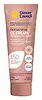
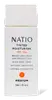
Cancer Council Face Day Wear CC Cream Mineral Zinc Oxide SPF 50 Versus Natio Tinted Moisturiser SPF 50+
This hybrid sunscreen covers the full UV range and blocks ~98% of UVB at SPF 50.

What's inside
What's inside
 Key Ingredients
Benefits
Concerns
Ingredients Side-by-side
Zinc Oxide 27%
Cosmetic Colorant


Aloe Barbadensis Leaf Juice
Skin Conditioning


Benzyl Alcohol
Perfuming






Butyloctyl Salicylate
Skin Conditioning
Caprylyl Glycol
Emollient
Cetyl PEG/PPG-10/1 Dimethicone
Emulsifying
Silica
Abrasive

Dimethicone
Emollient
Tocopheryl Acetate
Antioxidant


Glyceryl Behenate
Emollient

CI 77499
Cosmetic ColorantCI 77491
Cosmetic ColorantCI 77492
Cosmetic ColorantIsohexadecane
EmollientIsopropyl Palmitate
Emollient

Magnesium Sulfate
Maltodextrin
Absorbent
Phenoxyethanol
Preservative
Polyglyceryl-3 Diisostearate
Emulsifying
Polyhydroxystearic Acid
Emulsifying
Water
Skin ConditioningSorbic Acid
Preservative
Stearic Acid
Cleansing
Xanthan Gum
EmulsifyingZinc Oxide 27%, Aloe Barbadensis Leaf Juice, Benzyl Alcohol, Butyloctyl Salicylate, Caprylyl Glycol, Cetyl PEG/PPG-10/1 Dimethicone, Silica, Dimethicone, Tocopheryl Acetate, Glyceryl Behenate, CI 77499, CI 77491, CI 77492, Isohexadecane, Isopropyl Palmitate, Magnesium Sulfate, Maltodextrin, Phenoxyethanol, Polyglyceryl-3 Diisostearate, Polyhydroxystearic Acid, Water, Sorbic Acid, Stearic Acid, Xanthan Gum
Water
Skin ConditioningIsopropyl Palmitate
Emollient
Neopentyl Glycol Diheptanoate
EmollientOctocrylene
UV Absorber
Butyl Methoxydibenzoylmethane
UV Absorber
Ethylhexyl Triazone
UV Absorber
4-Methylbenzylidene Camphor
UV Absorber
Hydrated Silica
Abrasive
Stearic Acid
Cleansing
Cetearyl Alcohol
Emollient
Triethanolamine
BufferingPolyglyceryl-3 Diisostearate
Emulsifying
Aloe Barbadensis Leaf Juice
Skin Conditioning
Phenoxyethanol
Preservative
Xanthan Gum
EmulsifyingMagnesium Aluminum Silicate
Absorbent
Chamomilla Recutita Flower Extract
Masking
Terminalia Ferdinandiana Fruit Extract
Antioxidant
Camellia Sinensis Leaf Extract
Antimicrobial
Dimethicone
Emollient
Oenothera Biennis Oil
Emollient
Simmondsia Chinensis Seed Oil
Emollient
Tocopheryl Acetate
Antioxidant
Vitis Vinifera Seed Oil
Emollient
Methylparaben
Preservative
Parfum
Masking
Butylparaben
Masking
Ethylparaben
Preservative
Propylparaben
Preservative
Isobutylparaben
Antimicrobial
Tetrasodium EDTA
ChelatingCI 77891
Cosmetic ColorantIron Oxides
CI 77004
Cosmetic ColorantWater, Isopropyl Palmitate, Neopentyl Glycol Diheptanoate, Octocrylene, Butyl Methoxydibenzoylmethane, Ethylhexyl Triazone, 4-Methylbenzylidene Camphor, Hydrated Silica, Stearic Acid, Cetearyl Alcohol, Triethanolamine, Polyglyceryl-3 Diisostearate, Aloe Barbadensis Leaf Juice, Phenoxyethanol, Xanthan Gum, Magnesium Aluminum Silicate, Chamomilla Recutita Flower Extract, Terminalia Ferdinandiana Fruit Extract, Camellia Sinensis Leaf Extract, Dimethicone, Oenothera Biennis Oil, Simmondsia Chinensis Seed Oil, Tocopheryl Acetate, Vitis Vinifera Seed Oil, Methylparaben, Parfum, Butylparaben, Ethylparaben, Propylparaben, Isobutylparaben, Tetrasodium EDTA, CI 77891, Iron Oxides, CI 77004
Reviews
Ingredients Explained
These ingredients are found in both products.
Ingredients higher up in an ingredient list are typically present in a larger amount.
Aloe Barbadensis Leaf Juice is the filtered, stabilized liquid pressed from the inner gel of the aloe vera leaf.
In cosmetics, it shows up as either soothing active or a water-replacement base. It is roughly 98-99% water and the last 1-2% is an interesting mix of polysaccharides, amino acids, vitamins, minerals, and enzymes.
The polysaccharides do most of the work: they bind water at the skin surface for a light, non-greasy hydration boost. And one of the polysaccharides, glycomannan, is linked to fibroblast stimulation + collagen synthesis. This is also why aloe has such a long track record in wound and burn healing.
This ingredient is also calming with anti-inflammatory and mild antimicrobial activity, making it a great pick for sensitive, irritated, or post-sun skin.
Realistic expectations matter though; the solid evidence is mostly limited to hydration, soothing, and wound support. Deeper claims about anti-aging or sun protection are not well backed, and science reviews note it does not prevent radiation-induced skin injury.
Because it plays well with almost everything, it's commonly used as a base alongside other actives like niacinamide or vitamin C.
Typical usage concentrations range from 0.5% (where hydration benefits already show up) all the way to 90%+ (where it replaces water as the main base).
The safety for this ingredient is well-establish as well. Overall, this is a great supporting ingredient for those who want a boost in hydration.
Learn more about Aloe Barbadensis Leaf JuiceDimethicone is a type of synthetic silicone created from natural materials such as quartz. It is also known as polydimethylsiloxane.
What it does:
Dimethicone comes in different viscosities:
Depending on the viscosity, dimethicone has different properties.
Ingredients lists don't always show which type is used, so we recommend reaching out to the brand if you have questions about the viscosity.
This ingredient is unlikely to cause irritation because it does not get absorbed into skin. However, people with silicone allergies should be careful about using this ingredient.
Note: Dimethicone may contribute to pilling. This is because it is not oil or water soluble, so pilling may occur when layered with products. When mixed with heavy oils in a formula, the outcome is also quite greasy.
Learn more about DimethiconeIsopropyl Palmitate is a lightweight emollient made by combining isopropyl alcohol and palmitic acid.
It is an emollient that leaves skin feeling smooth and silky without leaving a greasy feel.
Typical usage concentrations range from 1-5%.
Human testing shows it's non-irritating and non-sensitizing, and the EU Scientific Committee on Consumer Safety (SCCS) has cleared it at very high levels (79% in leave-on products).
The one thing worth knowing about its comedogenic score of 3-4 is to keep it in perspective: these ratings come from old rabbit-ear tests using 100% of pure ingredient and doesn't reflect how it behaves at low levels in a finished product.
Because it is an ester of palmitic acid (C16), it falls into the range that the Malassezia yeast can feed on and is considered not fungal acne safe.
Learn more about Isopropyl PalmitatePhenoxyethanol is one of the most widely used preservatives in skincare (and for good reason!).
It has a large spectrum of antimicrobial activity and especially effective bacteria, yeast, and mold while only having a weak effect on your skin's natural microbiome.
On a cellular level, it disrupts the cell membranes of microbes by poking holes that make the cell leak. This shuts down the chemical reactions the microbe needs to make energy so it can no longer survive.
Another perk of this ingredient is that it stays functional across a wide pH range (3-10).
You'll often see it paired with boosters like Ethylhexylglycerin; one study showed that a 1:9 ratio of Ethylhexylglycerin to Phenoxyethanol damages bacterial membranes as effectively as doubling the Phenoxyethanol concentration on its own.
Typical use concentrations range from 0.3-1% depending on the formula, and this ingredient is capped at 1% int the EU.
Safety-wise, the fear mongering does not hold up to the evidence. The EU's Scientific Committee on Consumer Safety and FDA consider it safe as a preservative at up to 1%, including for children of all ages.
Adverse systemic effects only showed up in animal studies at exposures roughly 200x higher than what people get from cosmetics. And despite its very widespread use, this ingredient is a rare sensitizer and allergic reactions are uncommon.
Learn more about PhenoxyethanolPolyglyceryl-3 Diisostearate is a plant-derived, oil-soluble emulsifier. It keeps water-in-oil emulsions stable to prevent the ingredients from separating.
On the safety front, it's considered non-irritating and well-tolerated (it can even be found in formulations for baby skin).
This ingredient may not be fungal acne safe because research has shown that the Malassezia species can grow in the presence of fatty acid esters with chain lengths above C12 (and this one is C18).
While it does have a comedogenic rating of 4, the comedogenic rating scale was developed from rabbit ear models which has limited clinical relevance to human skin. Studies also show that comedogenic ingredients cannot predict how the overall formula will behave on human skin.
Learn more about Polyglyceryl-3 DiisostearateStearic Acid is a fatty acid that is already found in your skin. It's one of the free fatty acids that works alongside ceramides and cholesterols to maintain your barrier.
In cosmetics, it is a multitasker:
Safety-wise, the CIR Expert Panel has concluded it to be safe in cosmetics when formulated to be non-irritating and non-sensitizing.
Free stearic acid is a C18 fatty acid that the Malassezia yeast can substrate, so this ingredient may not be fungal acne safe.
This ingredient does have a comedogenic rating of 2-3, but this doesn't mean a formula with this ingredient will clog pores.
Human testing has proved that any finished product with this ingredient won't automatically make you break out; it really comes down to concentration, formula, and your skin.
Learn more about Stearic AcidTocopheryl Acetate is a stable, shelf-friendly form of vitamin E.
Formulators love it because plain vitamin E oxidizes quickly once it hits air. This acetate version stays stable and resists going off, helping to extend a product's shelf life.
It's actually inactive on its own and works like a slow-release "storage" form; the enzymes in your skin called esterases gradually convert it into active vitamin E over time.
One in vivo study showed 5% of the acetate in the living layer of the epidermis converted to vitamin E after 5 days of application. This study also found the skin gained protection against UV damage even though the conversion was slow and small.
Once converted, vitamin E acts as a skin's main fat-soluble antioxidant that fights free radicals to protect skin from damage.
Topical vitamin E generally boosts the skin's photoprotection, and it reduced UV-damage in animal models.
This ingredient has some brightening potential but it's more of a prevention ingredient than spot-fader. Cell studies show it can slow down melanin production but it's worth noting that it's not the most powerful brightener out there.
Overall, it has a pretty solid safety profile and has been found to be non-irritating and non-comedogenic. Allergic reactions may happen but stay rare due to how widely the ingredient gets used.
The concentration will vary depending on the formula; industry data shows 0.1% in baby lotions, 3% in lipsticks, and 5% in foot powders. You can also find this ingredient at 100% in a pure vitamin E oil.
Most leave-on skincare keeps it at the lower end, often between 0.5-1%.
Learn more about Tocopheryl AcetateWater. It's the most common cosmetic ingredient of all. You'll usually see it at the top of ingredient lists, meaning that it makes up the largest part of the product.
So why is it so popular? Water most often acts as a solvent - this means that it helps dissolve other ingredients into the formulation.
You'll also recognize water as that liquid we all need to stay alive. If you see this, drink a glass of water. Remember to stay hydrated!
Learn more about WaterXanthan gum is used as a stabilizer and thickener within cosmetic products. It helps give products a sticky, thick feeling - preventing them from being too runny.
On the technical side of things, xanthan gum is a polysaccharide - a combination consisting of multiple sugar molecules bonded together.
Xanthan gum is a pretty common and great ingredient. It is a natural, non-toxic, non-irritating ingredient that is also commonly used in food products.
Learn more about Xanthan Gum

